
Average Utility Bill For Two Bedroom Apartment

Okay, let's talk utilities. I know, I know, it's not exactly the stuff of thrilling dinner conversation. But think of it this way: understanding your average utility bill for a two-bedroom apartment is like knowing how much it costs to keep your little corner of the world humming. It’s about comfort, about predictability, and, let’s be honest, about saving a few bucks so you can treat yourself to that extra-large pizza. Who doesn't want that?
So, what is the average utility bill for a two-bedroom apartment? Well, the honest (and slightly annoying) answer is: it depends. Think of it like asking "How long is a piece of string?". We need a bit more context! But don't worry, we'll break it down so you can get a much clearer picture.
The Usual Suspects: What’s Included?
When we talk about utilities, we’re generally talking about a few key players:
Must Read
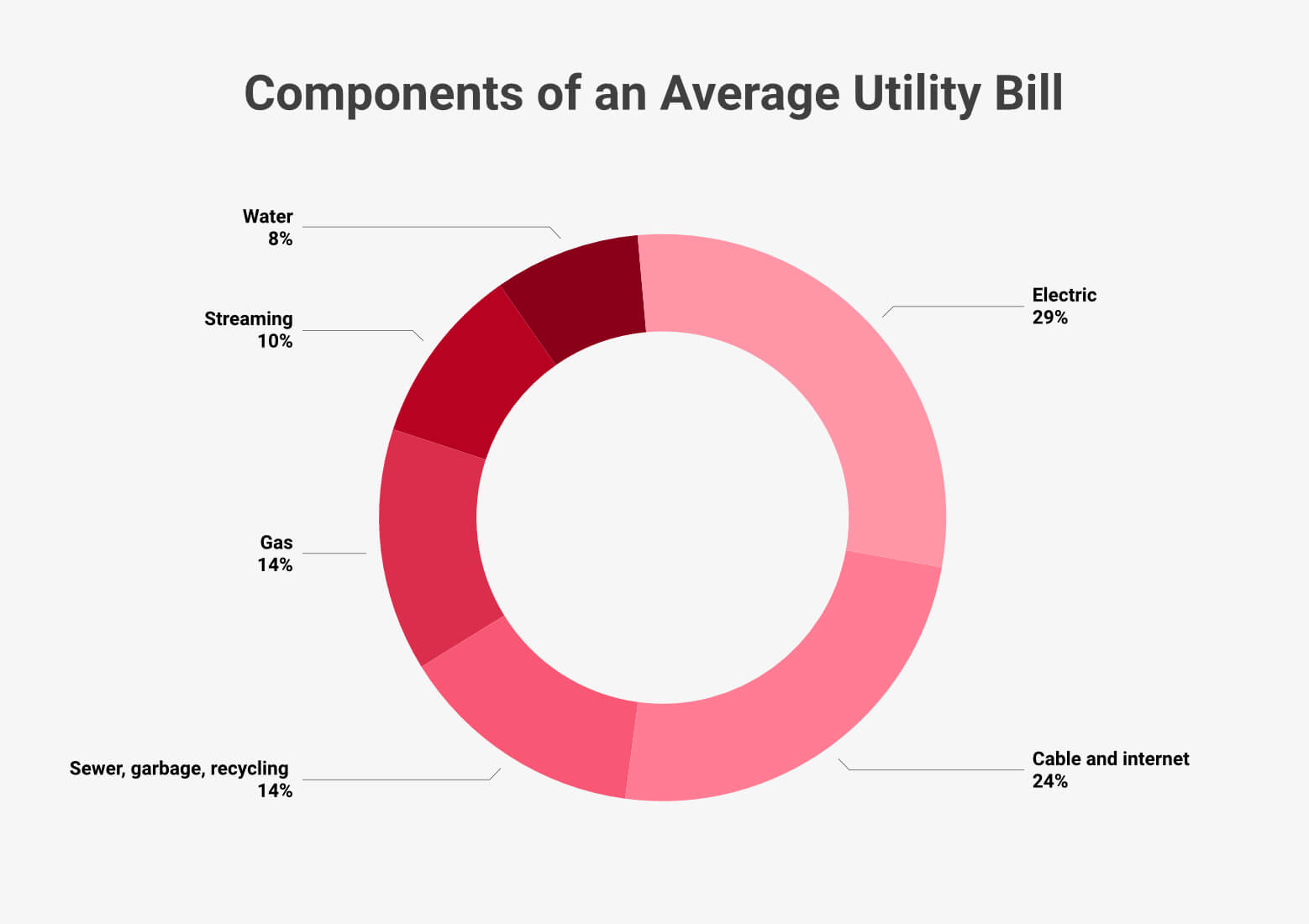
- Electricity: Powers your lights, TV, fridge, and that all-important coffee maker.
- Gas: Could be for heating, cooking, or drying clothes. Or all three!
- Water: Showers, dishes, laundry... you get the picture.
- Sewer/Trash: Often bundled together, these cover wastewater removal and garbage collection.
- Sometimes: Internet and cable might be included, or you might need to budget for those separately. Always double-check your lease!
Now, imagine you're packing a suitcase for a trip. The climate of your destination absolutely dictates the clothes you pack, right? Same principle applies here. Location, location, location makes a huge difference in utility costs.
Location, Location, Location (and the Weather!)
If you’re living in sunny San Diego, you probably won’t be cranking up the heat for six months out of the year. But if you're in Minneapolis in January? Brace yourself. The average electricity bill in a warmer climate will likely be lower, unless you're constantly running the AC, of course! Which brings us to...

Think of the weather like that one friend who always influences your spending habits. Sunny weather means less need for heat, but it might tempt you to crank up the AC. Cold weather? Hello, sky-high heating bills. Coastal areas with milder temperatures? Maybe a bit of both.
And it's not just temperature! Utility prices themselves vary by state and even by city. Some areas have cheaper natural gas, while others rely more on pricier electricity.

Size Matters (and so Does Insulation)
A sprawling two-bedroom is going to cost more to heat and cool than a cozy one. It's just simple math. Think about it like this: imagine trying to cool down a small closet with a tiny fan versus trying to cool a huge warehouse with the same fan. You'll need a lot more energy for the bigger space.
And then there's insulation! A well-insulated apartment will hold heat (or cool air) much better than one with drafty windows and thin walls. This is where a newer building might have an edge over an older one.
Your Lifestyle: Are You a Homebody or a Nomad?
Are you a Netflix binger who keeps the lights on late? Or are you out and about most of the time? Someone who cooks every meal from scratch will likely use more gas or electricity than someone who lives on takeout.
Simple changes in your routine can make a surprisingly big difference. For example, switching to LED bulbs is an easy way to reduce your electricity consumption. Unplugging chargers when they're not in use (those sneaky vampires suck energy even when your devices are fully charged!) can also add up to significant savings.
So, What's the Actual Number? (Roughly Speaking)
Alright, alright, I know you’re waiting for some actual figures. While it’s impossible to give you an exact number without knowing your specific situation, a reasonable range for a two-bedroom apartment in the US is somewhere between $150 and $350 per month. This is a very rough estimate, and it can easily be higher or lower depending on all the factors we've discussed.
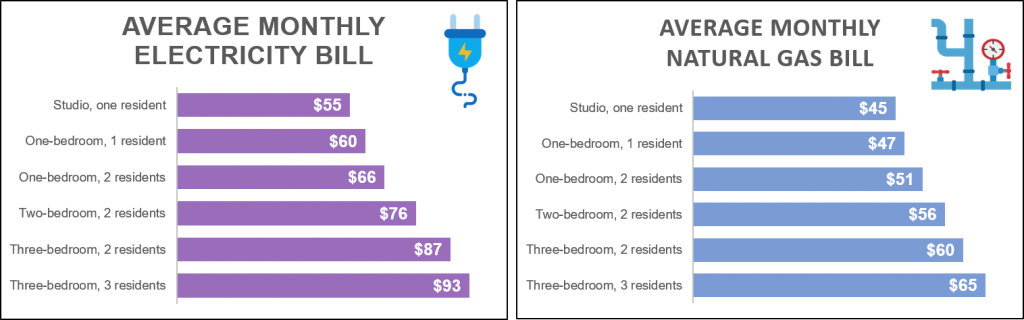
To get a more accurate idea, try using online calculators designed for utility cost estimation. Many utility companies also offer tools that can help you estimate your usage based on similar homes in your area. Asking neighbors in similar apartments is another great idea, it is always nice to have neighbor to rely on!
Why Should You Care? (Besides Saving Money)
Understanding your utility bills isn't just about pinching pennies (although that's a nice perk!). It's about being aware of your environmental impact. It's about making informed decisions about your energy consumption. And it's about having one less thing to worry about when that rent check is due!
Plus, knowing your average utility cost can help you budget more effectively. You can create a more realistic spending plan, so you're not caught off guard by a shockingly high bill during the coldest months. It's all about peace of mind, and a little extra cash for that extra-large pizza.