Average Utility Bill By Zip Code
Ah, the modern marvels we often take for granted! Imagine a world without the simple flick of a switch bringing light, the reassuring hum of a refrigerator preserving your food, or the sheer bliss of a hot shower after a long day. Utilities – electricity, natural gas, water, and sometimes even internet – are the unsung heroes of our daily lives, weaving a tapestry of comfort and convenience that makes modern living possible. We might not "enjoy" them in the same way we enjoy a good book or a delicious meal, but we certainly revel in the peace of mind and effortless functionality they provide.
These services are the essential backbone of our homes and communities. They empower us to cook meals, stay warm in winter and cool in summer, keep our clothes clean, and connect with the world. From charging our phones to running life-saving medical equipment, utilities aren't just luxuries; they are fundamental necessities. They transform a mere shelter into a vibrant, functional home, supporting everything from a cozy movie night to a remote workday. Think of every time you boil water for tea, wash a load of laundry, or simply turn on a lamp – that's your utilities at work, quietly enabling your everyday.
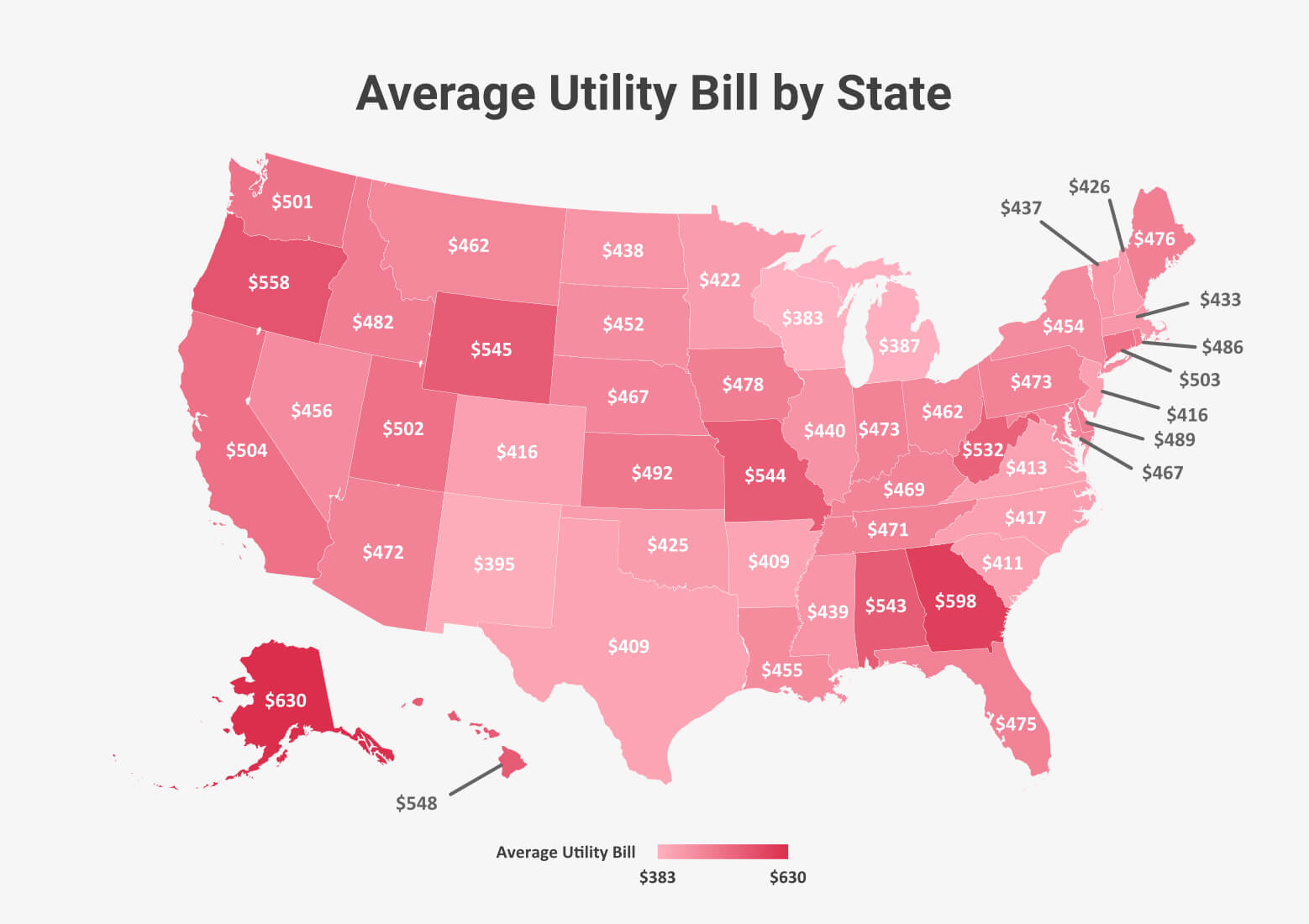
However, all this wonderful convenience comes with a price tag, and that brings us to the fascinating, sometimes frustrating, topic of your utility bill. You might wonder, "Why does my neighbor pay less?" or "Is my bill normal for where I live?" This is where understanding your average utility bill by zip code becomes incredibly insightful. It's not just a random number; it’s a reflection of a complex interplay of factors unique to your specific location. Your zip code acts as a sort of economic and environmental fingerprint, influenced by local climate (how much heating or cooling is needed), the prevalent housing stock (older homes often mean less insulation), and the rates set by local energy providers. Some areas might have lower electricity rates but higher water costs, or vice-versa, depending on natural resources and infrastructure. It’s a snapshot of the economic and environmental conditions that shape your energy consumption.
Must Read
So, how can you enjoy these indispensable services more effectively and, perhaps, more affordably? First, be mindful! Little changes add up. Unplug those "energy vampires" – electronics that draw power even when turned off. Switch to energy-efficient LED lighting. Consider a programmable or smart thermostat to optimize heating and cooling based on your schedule. Insulate your home, seal leaky windows and doors, and use ceiling fans strategically to improve air circulation. Even small habits, like taking shorter showers or running full loads in your dishwasher and washing machine, can make a difference. Lastly, knowledge is power. Scrutinize your bill to understand your usage patterns, and don't hesitate to contact your utility provider about energy audits or efficiency programs. By understanding the average for your zip code, you gain a valuable benchmark, empowering you to manage your home's energy consumption more wisely and effectively.