Average Utilities For One Bedroom Apartment
Okay, let’s talk utilities. I know, I know, it sounds about as exciting as watching paint dry. But hear me out! Knowing what to expect with your utility bills for a one-bedroom apartment can save you some serious cash, and who doesn’t want more money for fun stuff like that extra-large pizza on Friday night or, you know, paying off student loans? This isn't about stressing you out; it's about empowering you to be a budget boss! Think of it as a friendly heads-up so you're not shocked when that first bill arrives.
So, What's the Damage? (The Average, That Is)
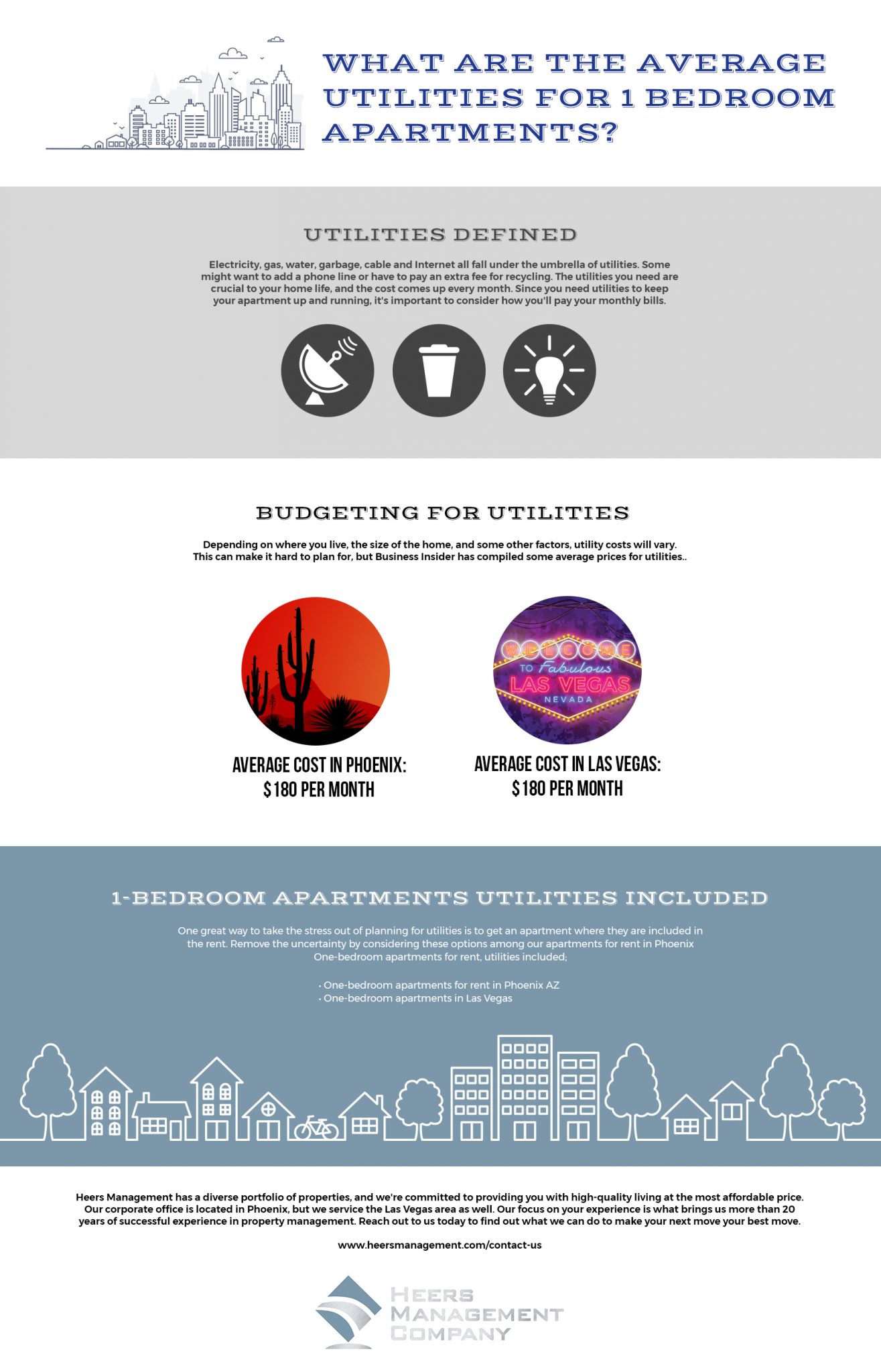
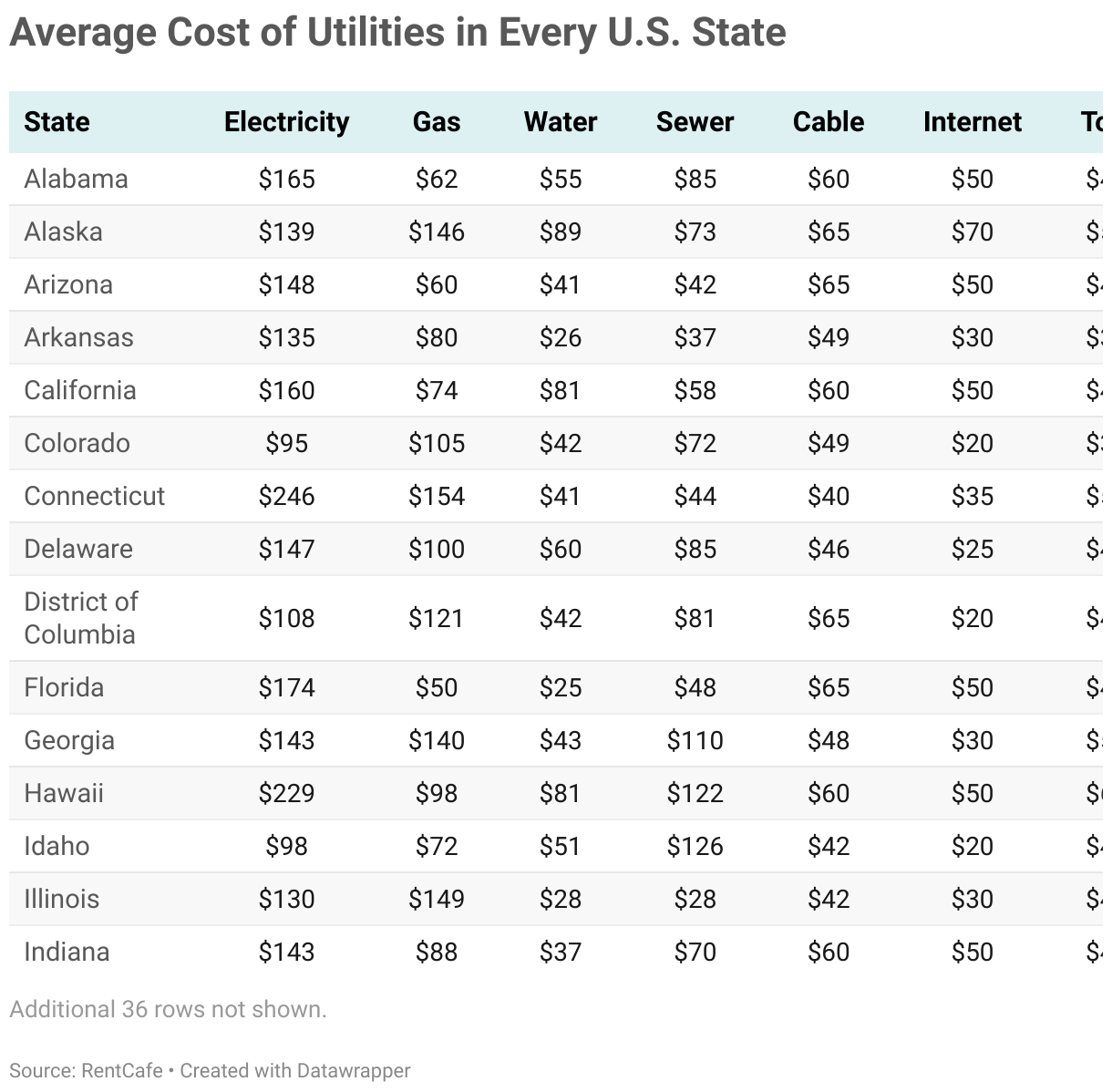
Alright, let's get down to brass tacks. The average monthly utility bill for a one-bedroom apartment in the US hovers around $100 to $250. But before you start hyperventilating, remember that's just an average. Think of it like this: that average includes both the frugal minimalist living in a perfectly insulated apartment in sunny California and the person who leaves all the lights on and cranks the AC in a drafty Boston brownstone. So, your mileage may vary!
Let's break down those bills and what you might expect:
Must Read
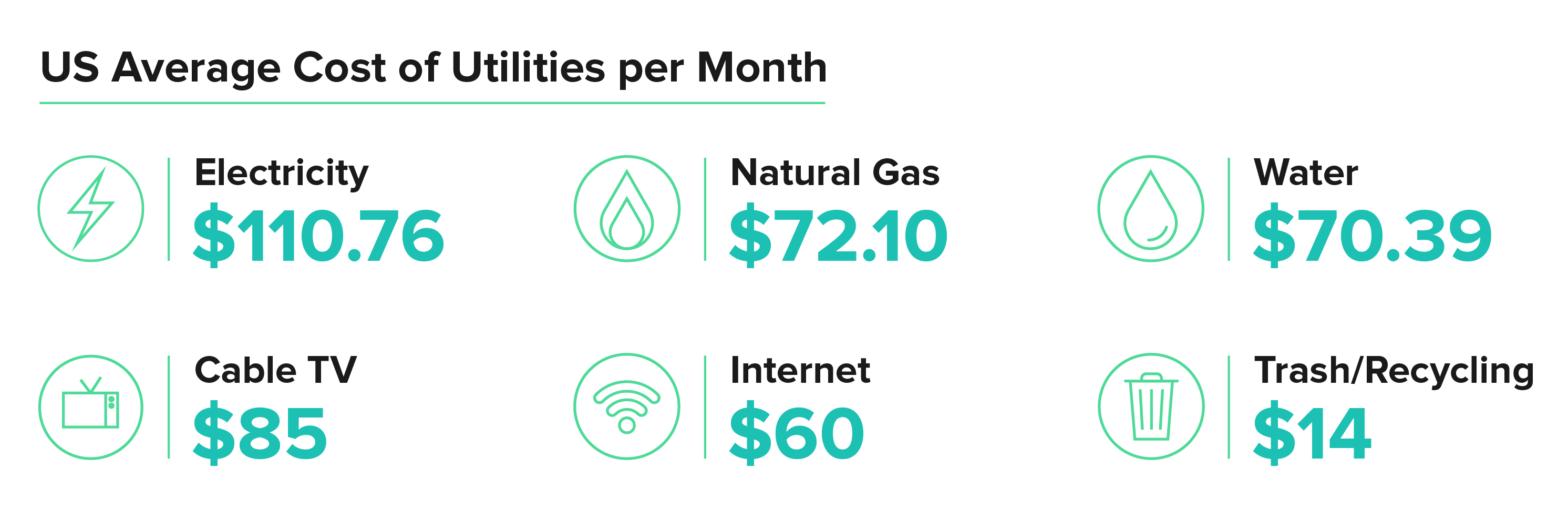
- Electricity: This is usually the biggest chunk. Expect anywhere from $50 to $100+. Factors influencing this include your climate, how often you use your AC or heater, the efficiency of your appliances, and how many lights you leave on (guilty as charged!). Leaving your TV on all night because you fell asleep? That's electricity you're paying for!
- Gas: If your apartment uses gas for heating, cooking, or hot water, expect around $30 to $75+, especially during colder months. If everything is electric, you might not have a gas bill at all, or it'll be minimal for cooking only.
- Water, Sewer, and Trash: These are often bundled together and can range from $20 to $70. Some landlords include water/sewer/trash in your rent, so be sure to check your lease! Long, luxurious showers? Might want to shorten them a bit if you're paying per gallon.
- Internet: This isn't strictly a utility, but it’s as essential as oxygen for many of us. Expect to pay anywhere from $30 to $75+ for a decent internet connection. Bundling with TV (if you still watch TV) can sometimes save you money.
Location, Location, Location!
Just like in real estate, location plays a HUGE role in your utility costs. Living in a warmer climate like Florida means you'll likely be using your AC more, leading to higher electricity bills. Conversely, if you're up north in Minnesota, heating costs will probably be your biggest concern during the winter.
Apartments in older buildings often have poor insulation, which means you're essentially paying to heat or cool the great outdoors. Newer buildings, on the other hand, tend to be more energy-efficient.

Your Lifestyle Matters (Seriously!)
Are you a minimalist who only uses appliances when absolutely necessary? Or do you have every gadget under the sun plugged in and humming 24/7? Your lifestyle directly impacts your utility bills. Think about it: are you constantly streaming movies? Do you leave your lights on when you leave a room? Do you take ridiculously long showers? (We've all been there.)
Being mindful of your energy and water consumption can make a surprisingly big difference. For example, switching to LED light bulbs is a small change that can save you a noticeable amount on your electricity bill over time.
Landlord Responsibilities (Read Your Lease!)
Before you sign that lease, make sure you understand which utilities you're responsible for. Some landlords cover water, sewer, and trash, while others might cover gas for heating. Knowing this upfront will help you budget accordingly and avoid any nasty surprises.
Pro Tips for Saving Money (Because Who Doesn’t Love Savings?)
- Unplug phantom energy users: Many electronics, like TVs and phone chargers, still draw power even when they're turned off. Unplug them when you're not using them.
- Use energy-efficient appliances: When it's time to replace appliances, look for Energy Star-certified models.
- Seal up drafts: Use weather stripping around windows and doors to prevent air leaks.
- Take shorter showers: Your hair will still look great, promise!
- Wash clothes in cold water: It's just as effective and saves energy.
- Consider a programmable thermostat: This allows you to automatically adjust the temperature when you're not home.
Ultimately, understanding your average utility costs is all about planning and being informed. It's not about depriving yourself; it's about being smart with your money so you can afford those little luxuries that make life enjoyable. So, take a deep breath, do a little research, and get ready to conquer those utility bills like the financial rockstar you are!