
Average Use Of Kwh Per Month
Alright, settle in, grab your metaphorical (or actual) coffee, because we're about to dive into one of life's great mysteries: how much electricity do you actually use? More specifically, we're tackling the big kahuna: the Average Use of kWh Per Month. If your eyes just glazed over at "kWh," don't worry! We're going to make this as painless as possible, with a few laughs thrown in, because let's face it, understanding your power bill shouldn't feel like rocket science – even if it occasionally costs like a rocket launch.
You know that moment when the electricity bill lands, and you hold it like it's a ticking time bomb? You scan the numbers, see that dreaded "kWh" total, and maybe, just maybe, you wonder if you're secretly running a cryptocurrency mining farm in your basement. Or perhaps a small, very noisy, hamster rave. Well, you're not alone! Most of us have no idea if our usage is normal, excessive, or if we're practically living off-grid, communing with squirrels.
So, What Even IS a kWh? (Besides Expensive)
Let's demystify this beast. kWh stands for kilowatt-hour. Think of it this way: a "watt" is like the speed at which you're running, and "hour" is how long you run. So, a kilowatt-hour is how much "running" (or electricity) your appliances do over a specific period. Imagine a hamster on a tiny treadmill. If that hamster runs really fast (high watts) for a long time (many hours), it's burning a lot of "energy" – much like your gaming PC or your perpetually humming refrigerator.
Must Read
One kilowatt-hour is 1,000 watts used for one hour. Simple, right? Or as simple as trying to explain TikTok to your grandma. The key takeaway? The more watts an appliance uses, and the longer it's on, the more kWh it chews through.
The Elusive "Average": A Mythical Creature?
Now, about that "average." This is where it gets fun, because "average" is about as useful as a screen door on a submarine when it comes to individual households. The actual number can swing wildly, like a pendulum in a hurricane, depending on a gazillion factors. Trying to find your average based on someone else's is like trying to guess your shoe size by looking at a giraffe. Probably not going to work.
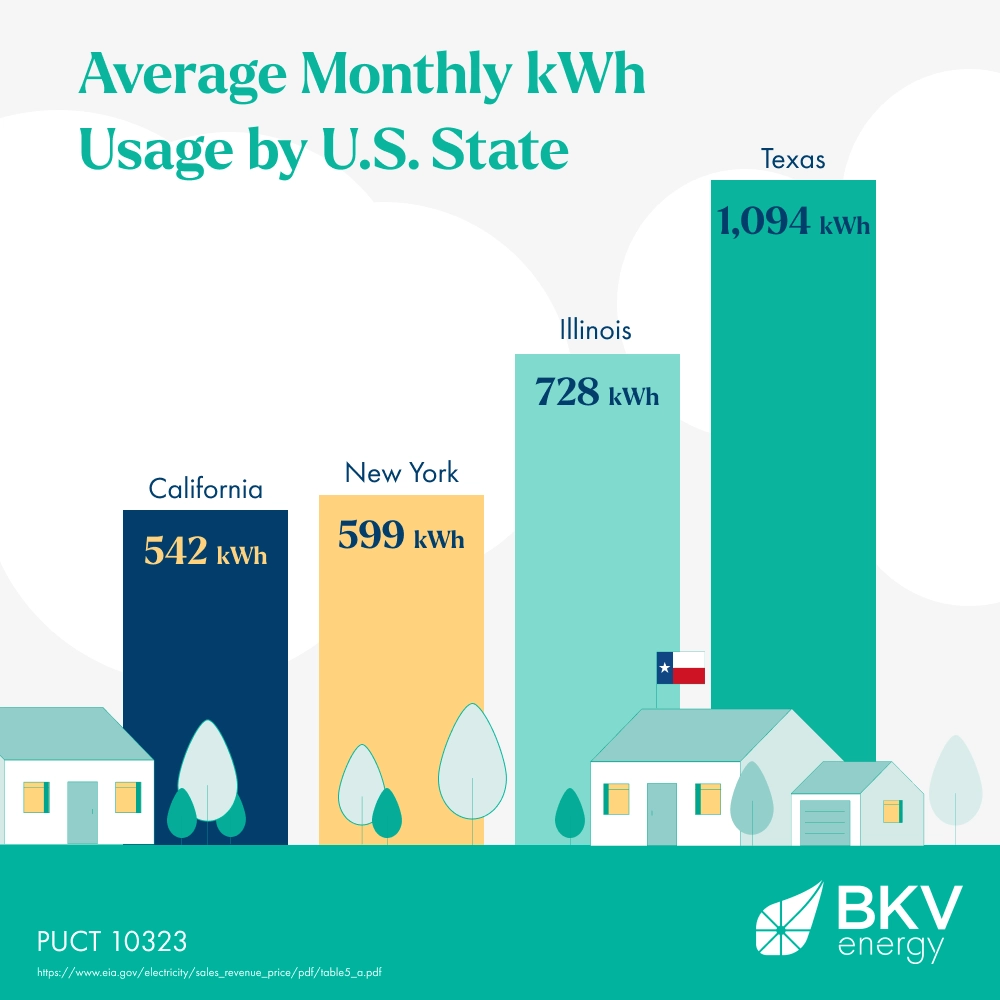
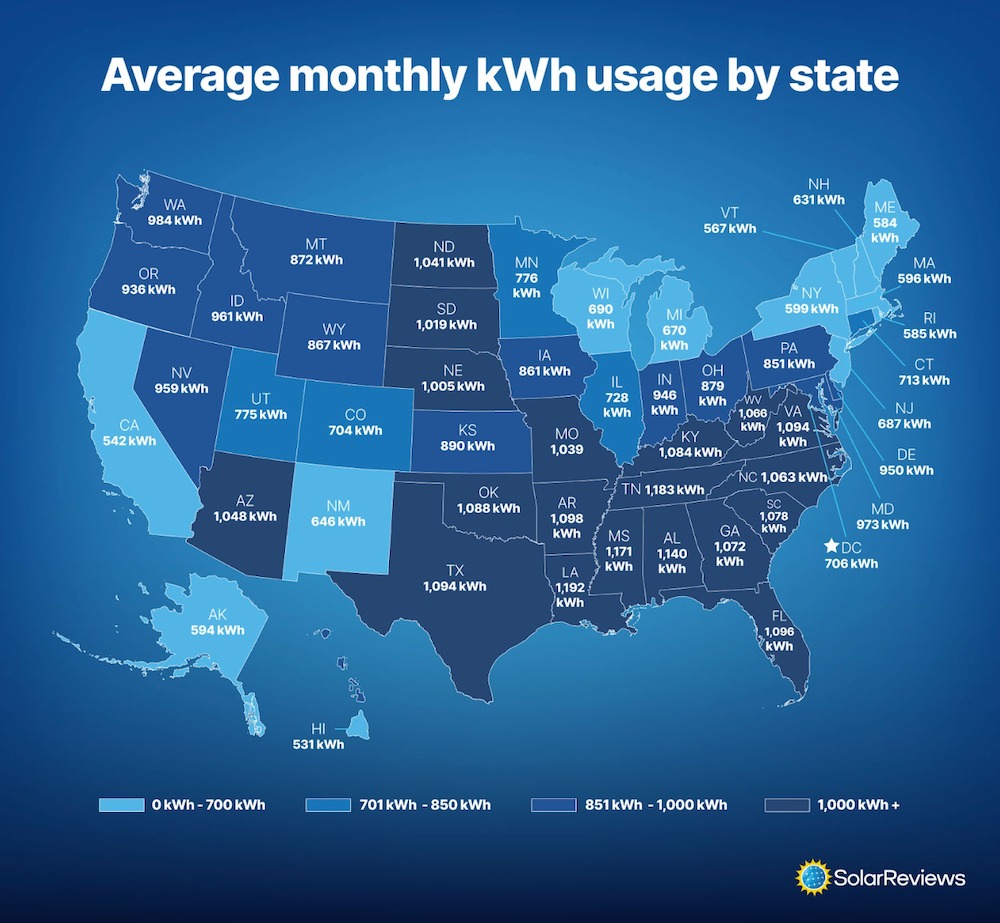
However, for the sake of setting a baseline, let's talk about the big picture. In the good ol' U.S. of A., the average residential electricity consumption hovers somewhere around 850 to 900 kWh per month. Yes, that's almost a thousand kilowatt-hours! Imagine all those hamsters.
What Makes Your Meter Spin Like a Disco Ball?
So, why might your number be vastly different from your neighbor's, who seems to live in a perpetual state of candlelit zen? Let's break down the usual suspects:
1. The Size of Your Tribe (Household Occupants): A single person living in a studio apartment will naturally use less than a family of five with three teenagers, each with their own gaming console, charging every device known to humankind, and leaving lights on like they're signaling aliens.

2. Appliance Antics (Age and Type): Your grandma's fridge from the 70s? Bless its heart, but it's probably an energy vampire, sucking power like a straw. Newer, energy-efficient models are like tiny, electricity-sipping monks in comparison. Also, consider things like electric water heaters, clothes dryers, and that monster TV – they're big hitters.
3. Your Climate Control Obsession: Do you blast the AC in summer until your living room feels like an arctic tundra? Or crank the heat in winter until you're sweating in shorts? Heating and cooling are almost always the biggest energy hogs. They can account for over half of your entire bill! That's right, your quest for perfect indoor comfort is probably costing you more than your latte habit.
4. Lifestyle Choices (Are You a Homebody or an Adventurer?): Someone who works from home, bakes daily, does laundry three times a week, and streams Netflix every evening will use significantly more power than someone who's rarely home, eats out, and only uses their microwave to heat up last night's leftovers.
Surprising Zaps & Power Sips!
Did you know that "phantom load" or "vampire power" accounts for about 5-10% of your total electricity use? That's right, appliances that are turned off but still plugged in (think phone chargers, TVs, coffee makers with clocks) are silently sipping power, even when you're asleep! It's like they're having a tiny, secret party without you.
Also, switching from old incandescent light bulbs to LEDs can cut your lighting energy consumption by 75-80%. That's not just a little saving; that's like finding money in your couch cushions, but consistently, every month, forever. It's the equivalent of upgrading from a horse and buggy to a Tesla, but for your lighting!

How to Uncover YOUR Truth (Without a Séance)
The easiest way to find your actual monthly kWh usage? Look at your electricity bill! Seriously, it's usually front and center. Most bills even show you a historical graph, so you can see if you're a steady sipper or a seasonal guzzler. It’s like a personalized energy report card, minus the disapproving teacher.
Ready to Be an Energy Guru? (Or Just Save a Few Bucks)
If your numbers are higher than you'd like, don't despair! You don't have to live in a cave to save energy. Here are some quick, non-painful tips:
- Unplug those energy vampires! Or use smart power strips that cut power to idle devices. Your coffee maker doesn't need to know the time while you're at work.
- Embrace the LED revolution. Change those old bulbs! They last longer, use less energy, and frankly, they just look cooler.
- Thermostat Tweakery: In summer, set it a few degrees higher; in winter, a few degrees lower. Every degree can make a difference. Think of it as fashion-forward layering in winter, or embracing the breezy chic in summer.
- Laundry Smarts: Wash with cold water, and clean that dryer lint filter! A clogged filter makes your dryer work harder (and longer), guzzling more energy. Plus, it's a fire hazard – nobody wants spontaneous sock combustion.
- Fridge Fortunes: Keep your fridge and freezer full (they run more efficiently that way) and ensure the door seals are tight. A leaky seal is like leaving your front door open in a snowstorm.
So, there you have it! The average kWh per month isn't just a number; it's a story of your home, your habits, and your heroic battle against the forces of energy consumption. Now you can look at your bill not with dread, but with newfound understanding, and maybe, just maybe, a mischievous glint in your eye as you plot your next energy-saving move. Go forth and conquer, you kilowatt-hour champion, you!