Average Us Household Energy Consumption
Ever woken up to a perfectly brewed cup of coffee, stepped into a delightfully warm shower, or relaxed in a brightly lit room on a dark evening? These moments of comfort and convenience, which we often take for granted, are powered by something truly remarkable: energy. It's the invisible force that brings our homes to life, turning mere structures into vibrant, functional living spaces. We don't just "use" energy; we experience its benefits in almost every aspect of our daily lives, making our routines smoother, our environments more pleasant, and our connections stronger.
The purpose of household energy is fundamentally about enhancing our quality of life. Think about it: energy keeps our food fresh in the refrigerator, ensuring healthy meals. It heats and cools our homes, protecting us from the elements and creating optimal comfort zones. It provides light, transforming nighttime into productive or relaxing hours. From powering our smartphones and laptops that connect us to the world, to running the washing machine that keeps our clothes clean, energy is the essential fuel for modern living. It's what allows us to cook nutritious meals, enjoy entertainment, and maintain personal hygiene with ease.
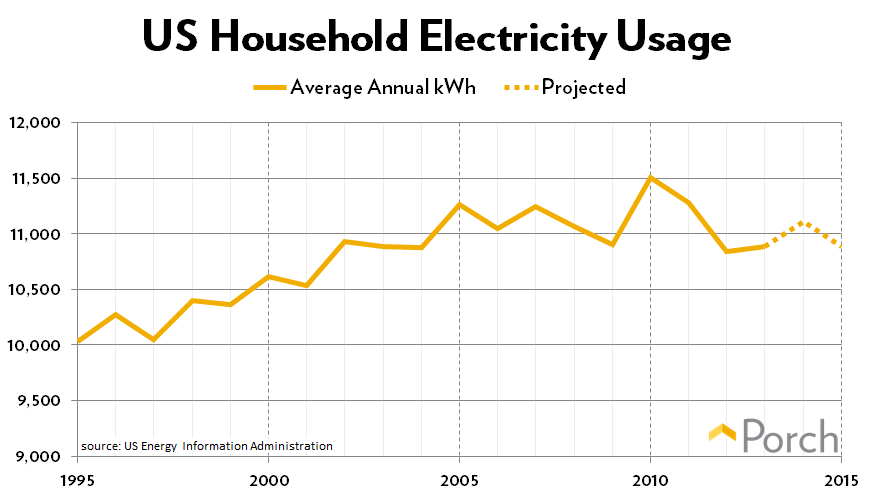
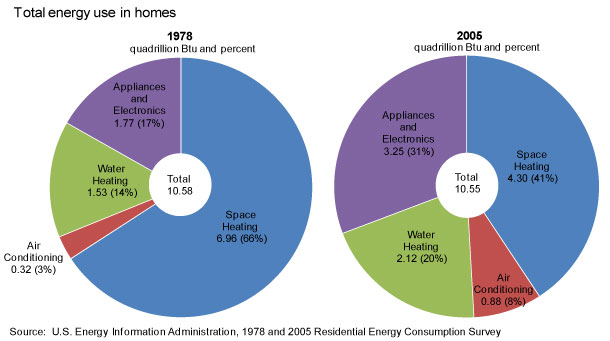
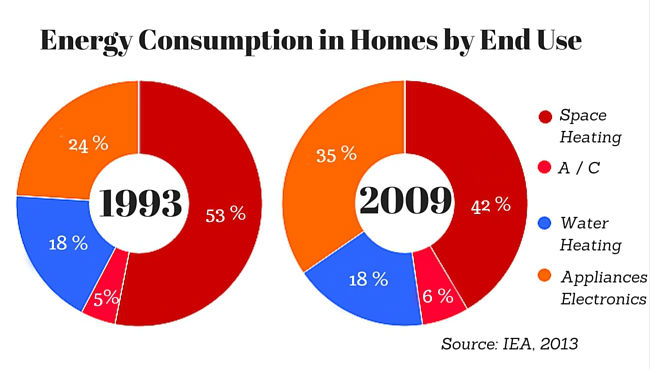
Common examples of energy application are everywhere you look. Your thermostat, whether it's battling a summer heatwave with air conditioning or a winter chill with heating, is a major player. The water heater ensuring you have hot water for dishes and showers is constantly working. Then there are the smaller, but numerous, energy users: the television streaming your favorite show, the microwave reheating leftovers, the numerous chargers for your devices, and every single light bulb illuminating your home. It all adds up! The average U.S. household consumes roughly 10,000 to 11,000 kilowatt-hours (kWh) of electricity per year, with heating, cooling, and water heating typically being the biggest draws.
Must Read
So, how can you "enjoy" this vital resource more effectively? By becoming a savvy energy user! A little mindfulness can go a long way in optimizing your consumption and even saving some cash. First, tackle your HVAC: regularly clean or replace air filters, and consider a smart thermostat to optimize temperatures when you're away. For lighting, switch to energy-efficient LED bulbs; they last longer and use a fraction of the power. Unplug "vampire" electronics that draw power even when turned off – think chargers, coffee makers, and game consoles. When doing laundry, opt for cold water cycles and make sure loads are full. Seal air leaks around windows and doors with weatherstripping or caulk to prevent your heated or cooled air from escaping. Finally, simply being aware of how and when you use energy, perhaps by reviewing your utility bill, empowers you to make smarter choices. By embracing these simple habits, you're not just saving energy; you're using it more thoughtfully and getting the most out of every watt!
Ever woken up to a perfectly brewed cup of coffee, stepped into a delightfully warm shower, or relaxed in a brightly lit room on a dark evening? These moments of comfort and convenience, which we often take for granted, are powered by something truly remarkable: energy. It's the invisible force that brings our homes to life, turning mere structures into vibrant, functional living spaces. We don't just "use" energy; we experience its benefits in almost every aspect of our daily lives, making our routines smoother, our environments more pleasant, and our connections stronger.
The purpose of household energy is fundamentally about enhancing our quality of life. Think about it: energy keeps our food fresh in the refrigerator, ensuring healthy meals. It heats and cools our homes, protecting us from the elements and creating optimal comfort zones. It provides light, transforming nighttime into productive or relaxing hours. From powering our smartphones and laptops that connect us to the world, to running the washing machine that keeps our clothes clean, energy is the essential fuel for modern living. It's what allows us to cook nutritious meals, enjoy entertainment, and maintain personal hygiene with ease.
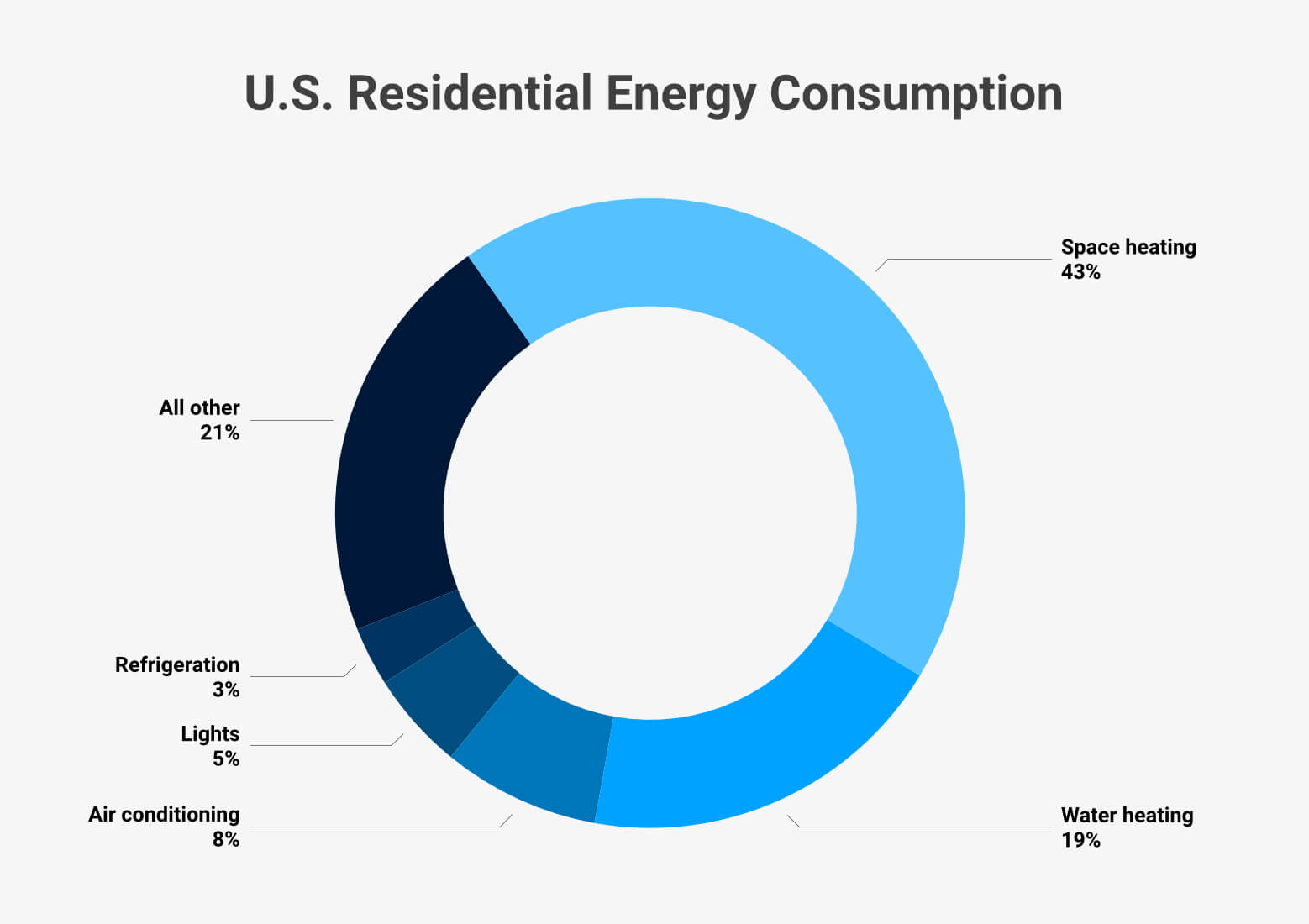
Common examples of energy application are everywhere you look. Your thermostat, whether it's battling a summer heatwave with air conditioning or a winter chill with heating, is a major player. The water heater ensuring you have hot water for dishes and showers is constantly working. Then there are the smaller, but numerous, energy users: the television streaming your favorite show, the microwave reheating leftovers, the numerous chargers for your devices, and every single light bulb illuminating your home. It all adds up! The average U.S. household consumes roughly 10,000 to 11,000 kilowatt-hours (kWh) of electricity per year, with heating, cooling, and water heating typically being the biggest draws.
So, how can you "enjoy" this vital resource more effectively? By becoming a savvy energy user! A little mindfulness can go a long way in optimizing your consumption and even saving some cash. First, tackle your HVAC: regularly clean or replace air filters, and consider a smart thermostat to optimize temperatures when you're away. For lighting, switch to energy-efficient LED bulbs; they last longer and use a fraction of the power. Unplug "vampire" electronics that draw power even when turned off – think chargers, coffee makers, and game consoles. When doing laundry, opt for cold water cycles and make sure loads are full. Seal air leaks around windows and doors with weatherstripping or caulk to prevent your heated or cooled air from escaping. Finally, simply being aware of how and when you use energy, perhaps by reviewing your utility bill, empowers you to make smarter choices. By embracing these simple habits, you're not just saving energy; you're using it more thoughtfully and getting the most out of every watt!