
Average Power Usage For A House
Ever stared at your electricity bill like it’s written in ancient runes? You’re not alone. It’s a common ritual: tearing open that envelope, bracing yourself, and then doing a double-take. "Did I accidentally power a small nation this month?" you wonder. Well, let's pull up a virtual chair and demystify the baffling beast that is your home’s average power usage, shall we? Consider this your informal, slightly unhinged guide.
What's "Average," Anyway? And What's a kWh?
First things first, let's talk numbers, but not in a scary, math-class way. When we talk about power usage, we're usually talking about kilowatt-hours (kWh). Think of a kilowatt as a unit of power, and an hour as… well, an hour. So, a 100-watt light bulb left on for 10 hours uses 1 kWh. Easy peasy, lemon squeezy!
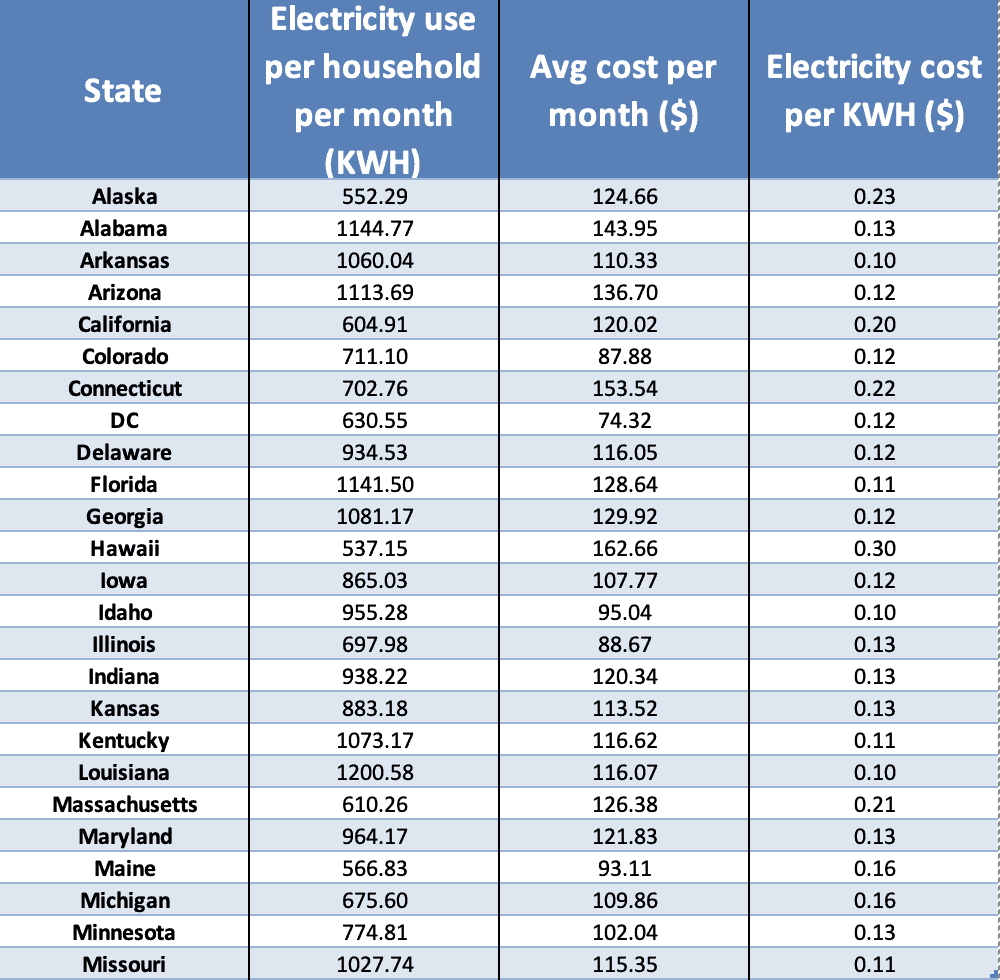
Now, for the big reveal: the average U.S. household uses roughly 893 kWh per month. Yeah, I know, it sounds like a lot of imaginary units. That's about 10,715 kWh per year. But here’s the kicker: "average" is like saying the average human has one testicle and one ovary. It's statistically true, but biologically useless for describing any single person! Your home's usage is a unique, glorious snowflake of power consumption.
Must Read
The Usual Suspects: Who's Hogging All the Juice?
If your electricity bill were a lineup, these would be the guys with the shifty eyes and the tell-tale bulge in their pockets:
The HVAC: Your Home’s Personal Dragon
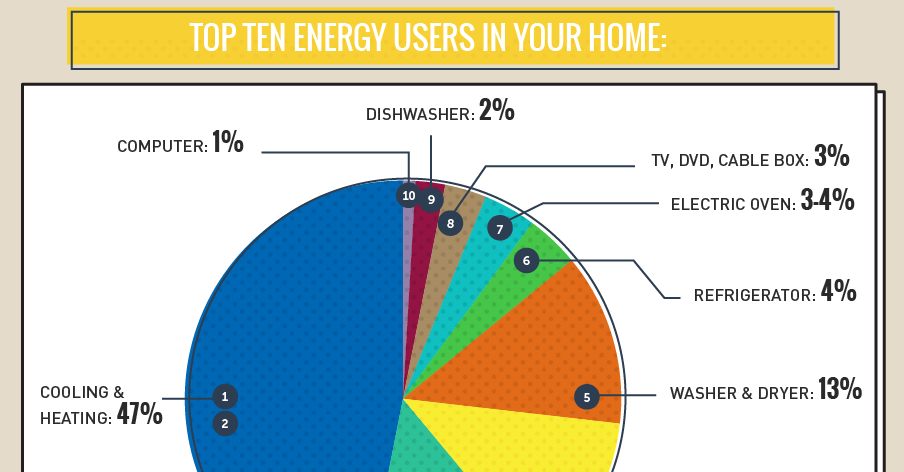
Oh, the heating, ventilation, and air conditioning (HVAC) system. This is often the undisputed heavyweight champion of your energy bill, gobbling up anywhere from 40% to a whopping 70% of your total usage. Think about it: whether you're baking in a heatwave or shivering through winter, this behemoth is fighting Mother Nature 24/7. It's like having a tiny, climate-controlling dragon living in your house, constantly demanding snacks (of electricity, of course).

The Water Heater: The Silent, Scalding Assassin
Coming in a strong second is your water heater. It's not as flashy as the AC, but it's constantly working behind the scenes, keeping that water toasty for your showers, dishes, and laundry. It’s a true unsung hero, demanding about 14-18% of your energy. Next time you enjoy a hot shower, give a silent nod to its tireless (and expensive) efforts.
Washer and Dryer: The Laundry Guzzlers
Doing laundry is a chore, and your appliances know it. The washer uses a bit, but the dryer is the real energy villain here. All that heat to tumble your clothes dry? It adds up! Especially if you're like me and run a load a day because you keep "forgetting" to do it until you run out of socks. Pro tip: air drying is free, if you have the space and patience of a saint.
The Fridge: Always On, Always Chilling
Your refrigerator is like that loyal friend who never leaves the party. It’s running 24/7, keeping your leftovers safe from becoming science experiments. Modern fridges are much more efficient, but an older model could be silently costing you a small fortune. Imagine the horror of opening your fridge and finding it powered by a hamster on a wheel. That’s essentially what an old, inefficient fridge feels like.
The Sneaky Sips: Vampire Power and Phantom Loads
Now for the truly insidious part: the stuff that sucks power even when you think it's "off." We're talking about vampire power, or phantom loads. Those little red standby lights on your TV, your phone charger plugged in with no phone attached, your gaming console in rest mode – they're all subtly sipping electricity. It's like having a dozen tiny, invisible straws plunged into your wallet.

Studies show these phantom loads can account for 5% to 10% of your total electricity bill. It might not sound like much, but it’s essentially throwing money out the window because you're too lazy (or forgetful) to unplug things. Imagine buying a fancy coffee every day, but half of it just spills out the bottom of the cup. That’s vampire power!
What Makes Your Bill Unique?
Remember how "average" is a funny word? Here's what makes your bill special:
- Location, Location, Location: Living in a scorching desert or a frigid tundra? Your HVAC bill will reflect it.
- House Size: More square footage means more space to heat/cool and light.
- Number of Occupants: More people usually means more showers, more laundry, more devices.
- Appliance Age & Efficiency: An ancient fridge uses way more juice than a brand-new Energy Star model.
- Your Habits: Are you a light-leaver-on? A thermostat-tinkerer? A binge-watcher with a giant TV? It all adds up!
So, next time your electricity bill gives you an existential crisis, remember: you're not alone. We're all navigating the wild world of wattage. Understanding where your power goes is the first step to taming that energy beast. Now, if you'll excuse me, I think I just saw my toaster oven wink at me. It's probably plotting something.
