Average Power Consumption Of A House Per Day
Ever wondered what makes your home tick? We're not talking about the family living inside, but the invisible energy that powers your lights, keeps your food cold, and lets you binge-watch your favorite shows. Understanding your home's average power consumption is like understanding its dietary needs – crucial for keeping everything running smoothly and avoiding nasty surprises on your energy bill!
Why should you care? Well, knowing your average power usage puts you in the driver's seat. It's about gaining control over your energy costs, contributing to a more sustainable lifestyle, and ensuring your home operates efficiently. Think of it like this: if you know your car’s average gas mileage, you can plan road trips better and choose routes that save fuel. Similarly, knowing your home's energy consumption allows you to make informed decisions about appliance usage, insulation, and even future upgrades.
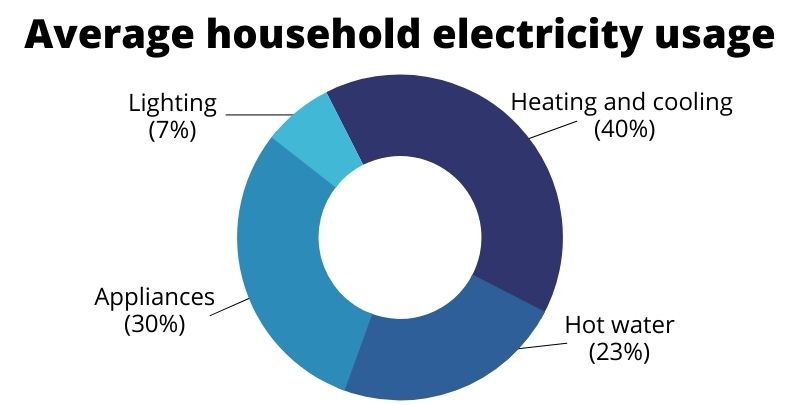
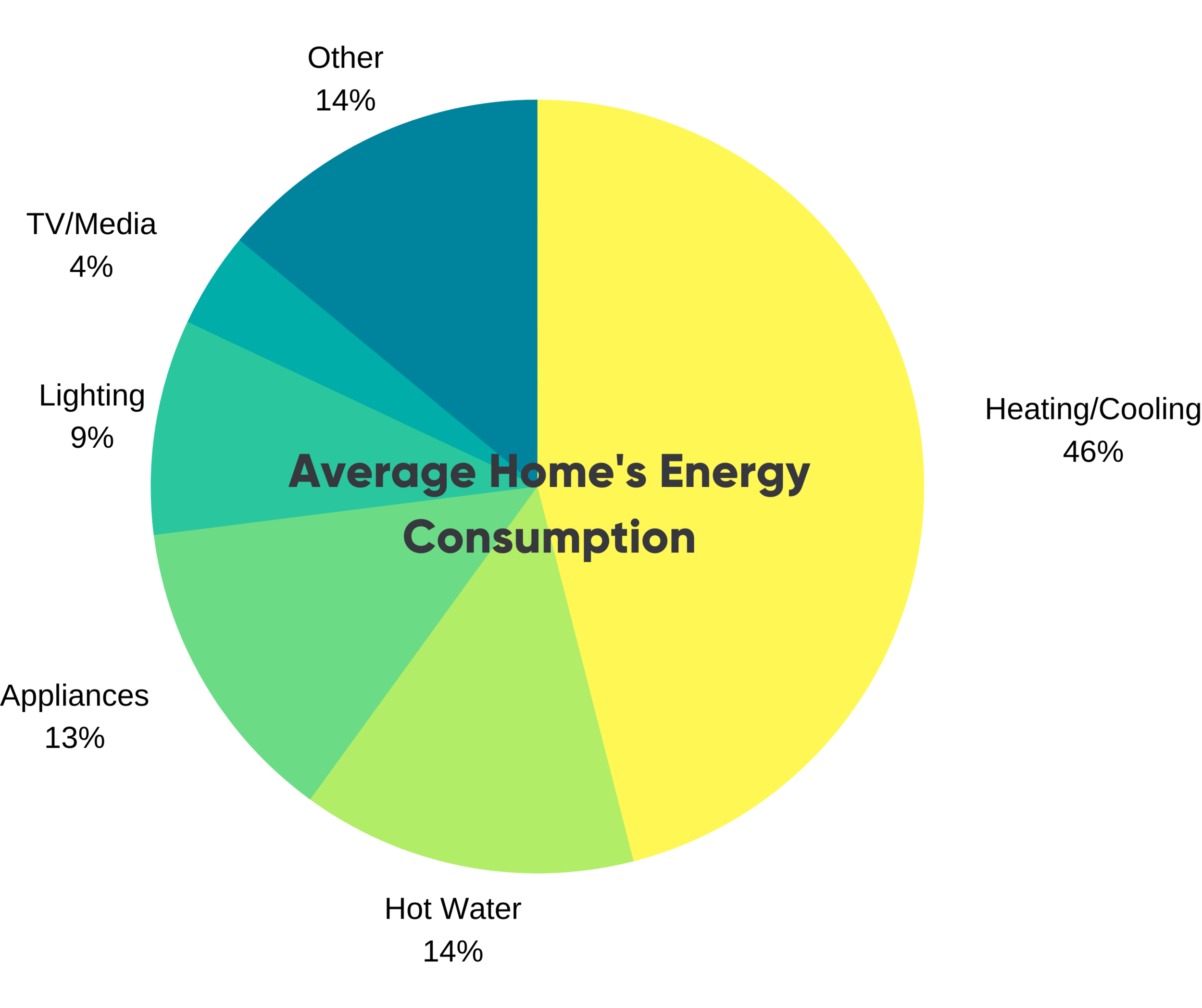
So, what exactly does "average power consumption" mean? It's simply the amount of electricity your household uses on an average day, measured in kilowatt-hours (kWh). This includes everything from your refrigerator humming quietly in the corner to the air conditioner blasting on a hot summer afternoon. Common examples that contribute to your daily energy usage include:
Must Read
- Lighting: LEDs are far more efficient than incandescent bulbs.
- Heating and Cooling: These are often the biggest energy hogs, especially older systems.
- Appliances: Refrigerators, ovens, dishwashers, washing machines – they all add up!
- Electronics: TVs, computers, gaming consoles, and charging devices.
- Water Heating: Heating water for showers, laundry, and dishwashing consumes a significant amount of energy.
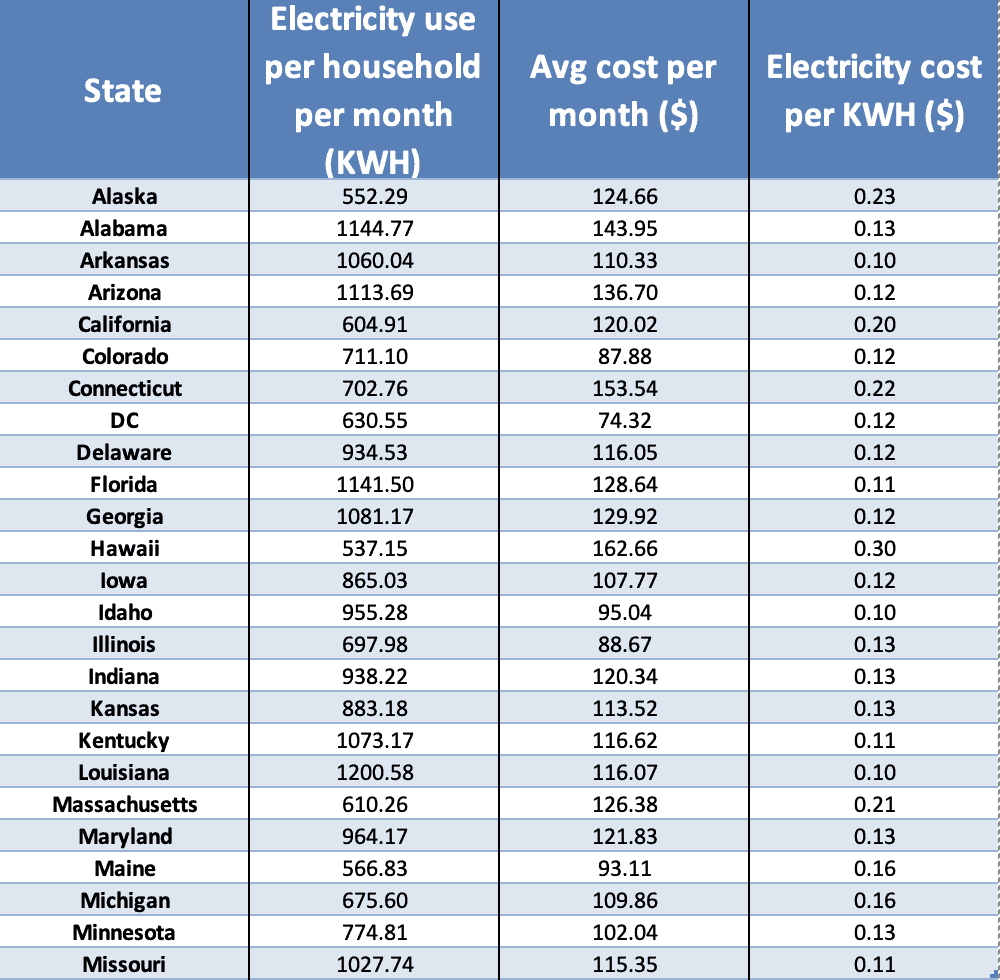
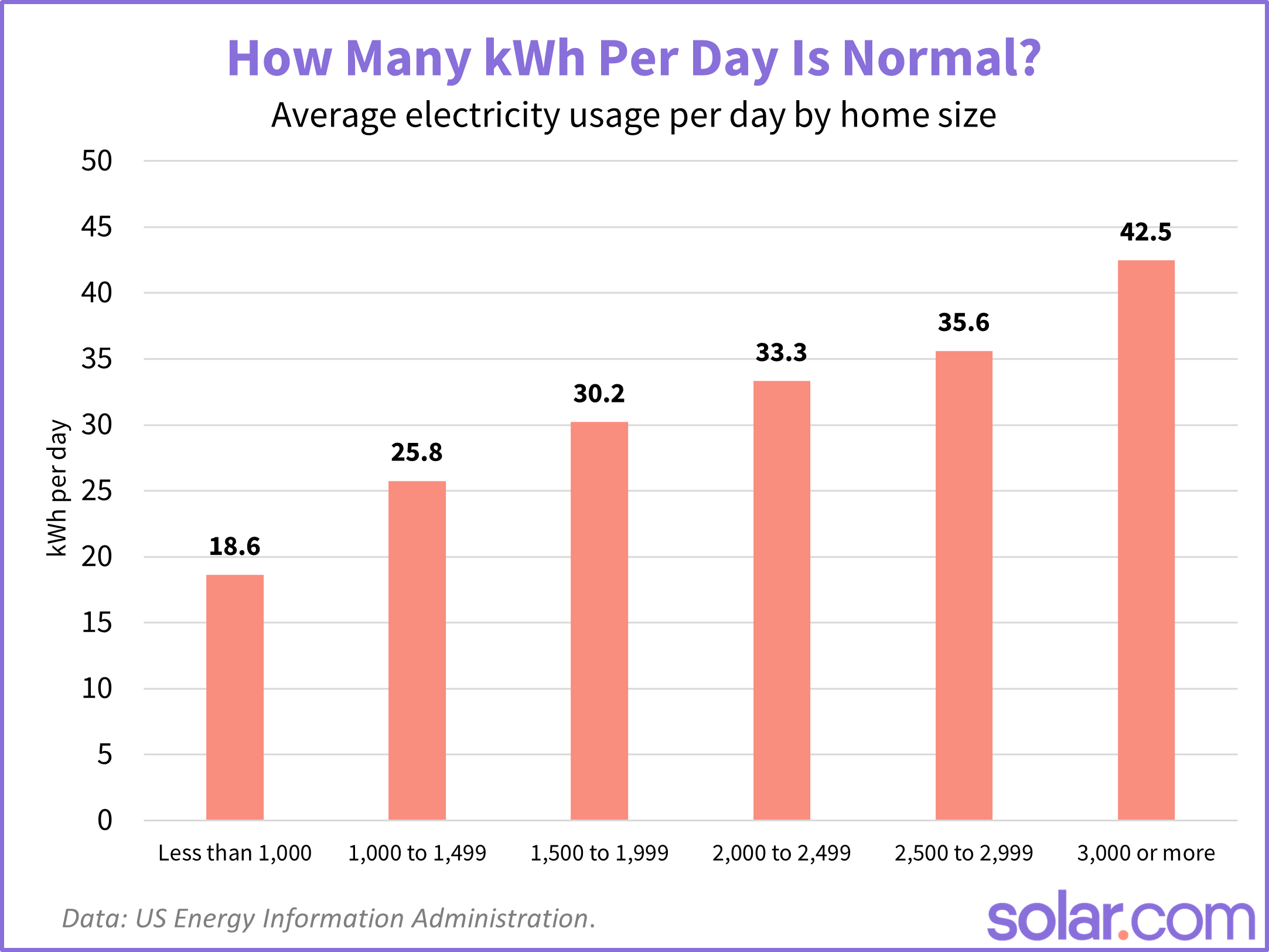
Estimating your home's average daily power consumption isn't an exact science, but it's a valuable exercise. You can start by checking your past energy bills. Look for the average daily usage in kWh. Alternatively, you can use online energy calculators, which take into account factors like your home size, location, and the types of appliances you use. Some smart meters even provide real-time data on your energy consumption, offering a minute-by-minute breakdown of your energy usage habits.
.png?format=1500w)
Now for the fun part: optimizing your energy consumption! Here are some practical tips to enjoy a more energy-efficient home:
- Embrace energy-efficient appliances: Look for the Energy Star label when purchasing new appliances.
- Switch to LED lighting: This simple change can save a significant amount of energy.
- Unplug phantom loads: Many electronics continue to draw power even when turned off. Unplug them or use power strips to easily switch them off.
- Improve insulation: Proper insulation can significantly reduce heating and cooling costs.
- Adjust your thermostat: A few degrees difference can make a big impact on your energy bill. Consider a programmable thermostat for automated savings.
- Be mindful of water usage: Take shorter showers and fix leaky faucets promptly.
By understanding and actively managing your home's average power consumption, you can save money, reduce your environmental impact, and enjoy a more comfortable and sustainable living space. It's a win-win situation for you and the planet! So, take a closer look at your energy usage, make a few simple changes, and start reaping the rewards of a more energy-efficient home.