Average Kwh Usage For A House
Ah, the electricity bill. It arrives like a cryptic message from the universe, often met with a sigh, a raised eyebrow, and the eternal question: "Did we really use that much?" You stare at the numbers, particularly the one for kWh, feeling like you're trying to decode an ancient alien language. What even is a kWh, and how many of them does the average house guzzle down in a month? Let's peel back the layers of this electrifying mystery, no science degree required!
First off, let's get cozy with what a kWh actually means. Think of it like this: if electricity were pizza, a kilowatt-hour (kWh) would be a slice. Or, if it were gas for your car, it's how much fuel you've burned. It's simply a unit of energy, the measure of how much power you've used over time. So, when your bill says 500 kWh, it means your home collectively chowed down on 500 units of energy. Easy peasy, right?
The Big Energy Eaters: Who's on the Guest List?
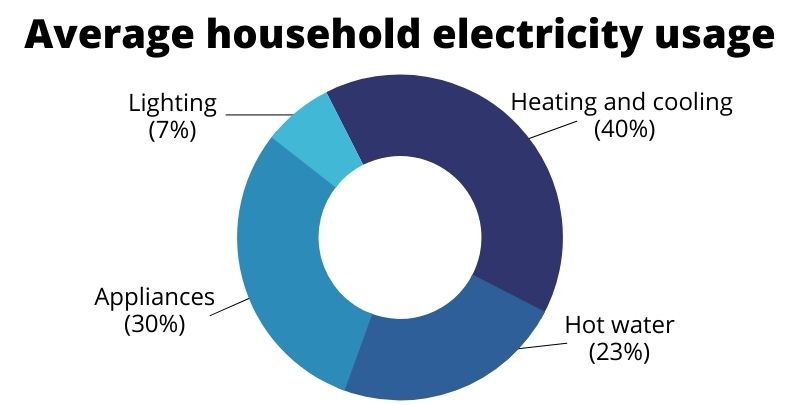
When it comes to your home's energy consumption, there are some undeniable superstars (or super-villains, depending on your mood and the bill). The biggest hogs on the block? Usually, it's your HVAC system – that's heating, ventilation, and air conditioning. Remember those scorching summer days when the AC was blasting like a polar vortex in your living room? Or those chilly winter nights when the heater worked overtime? Yeah, that's where a big chunk of your kWh goes. It's like having a personal weather machine that runs on pure electricity!
Must Read
Then there are your appliances. The fridge, that ever-humming sentinel in your kitchen, is running 24/7, keeping your leftovers fresh and your ice cream frozen. It’s a quiet, constant energy muncher. And let's not forget the electric oven when you're baking up a storm, the washer and dryer doing their endless cycles, and your water heater making sure your showers are delightfully toasty. Each of these contributes its own little bit to the grand total, like different instruments in an electric symphony.
The Sneaky Suspects: Energy Vampires and Forgotten Friends
But it's not always the obvious giants. Sometimes, it's the little things that add up. Ever heard of "phantom load" or "energy vampires"? These are the devices that subtly suck power even when they're turned off or in standby mode. Think phone chargers still plugged into the wall with no phone attached, TVs that are "off" but ready to instantly spring to life, or even your coffee maker with its little glowing clock. They're like tiny, invisible straw-suckers, constantly drawing a trickle of power. It’s not a huge amount individually, but collectively, they can be surprisingly greedy!
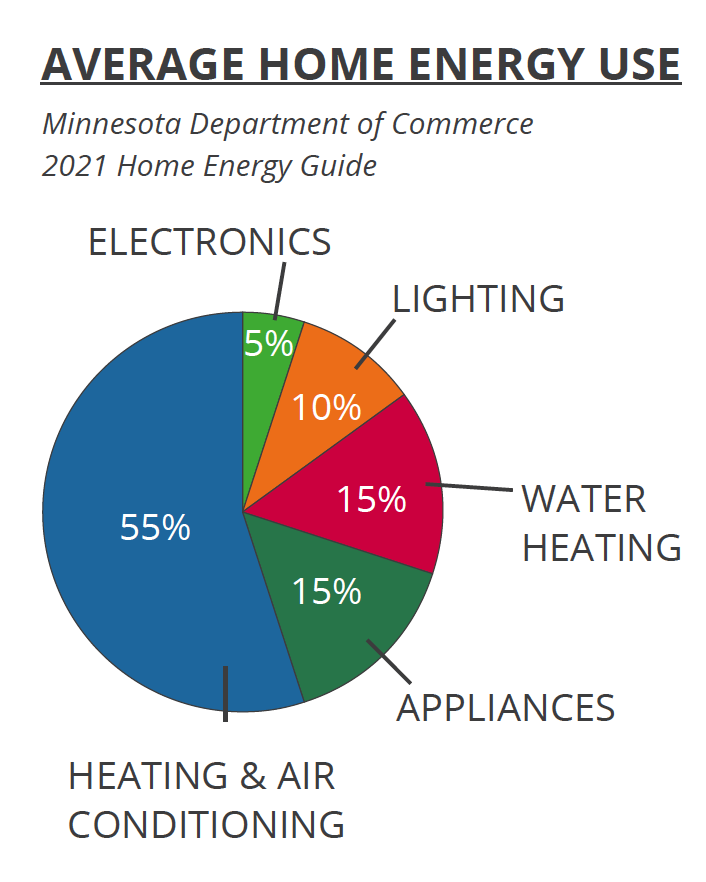
And let's be real: our habits play a huge role too. Leaving lights on in empty rooms (the infamous "kids left the lights on again!" saga), long, luxurious hot showers, or forgetting to unplug that curling iron. We've all been there. It’s the human element, the little moments of forgetfulness that pile up like dirty laundry on a Tuesday morning.
So, What's "Average" Anyway?
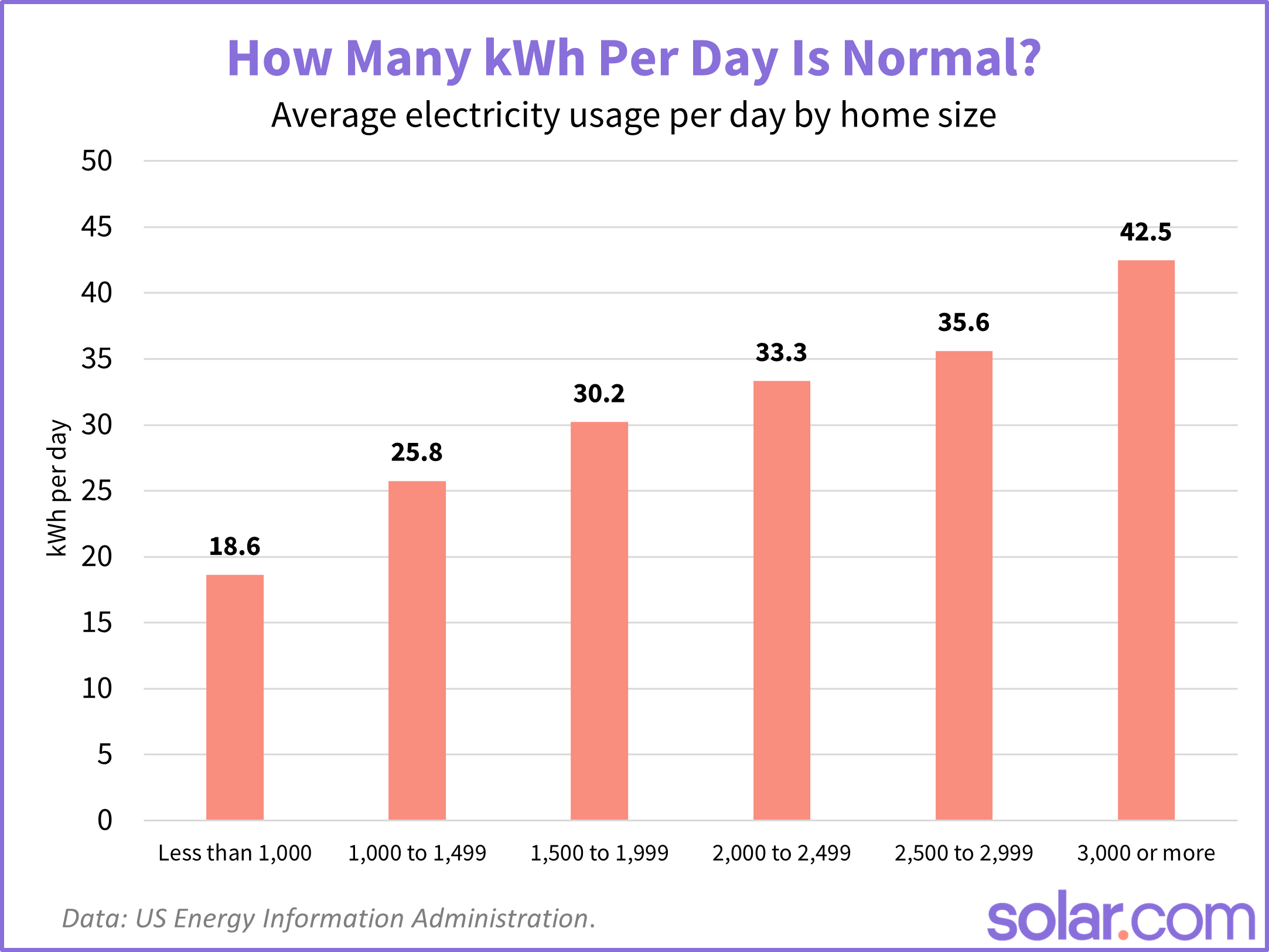
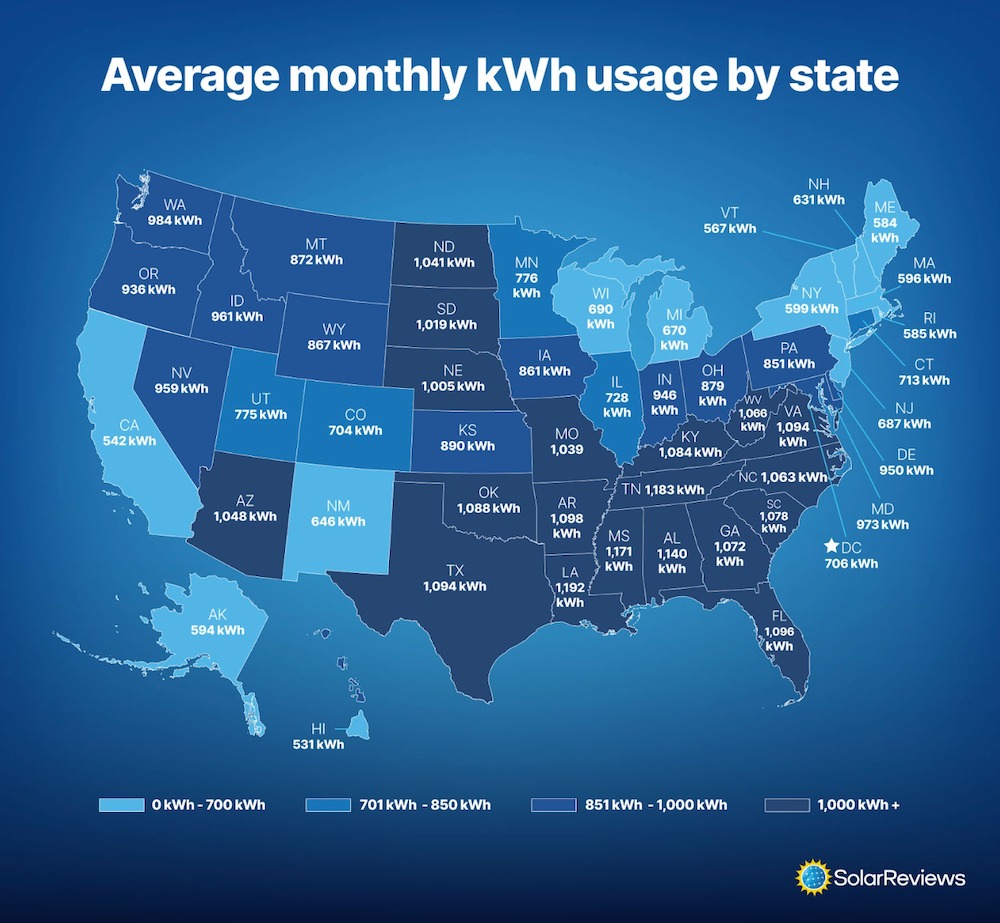
Alright, down to brass tacks: what's the magic number? Well, it's less of a magic number and more of a magic range, because homes and habits vary wildly. But generally speaking, in the U.S., the average household uses somewhere between 800 to 1,200 kWh per month. That's a pretty wide spectrum, right? For context, a smaller apartment or a very energy-conscious household might dip below 500 kWh, while a large home with a pool and multiple residents could easily soar past 2,000 kWh.
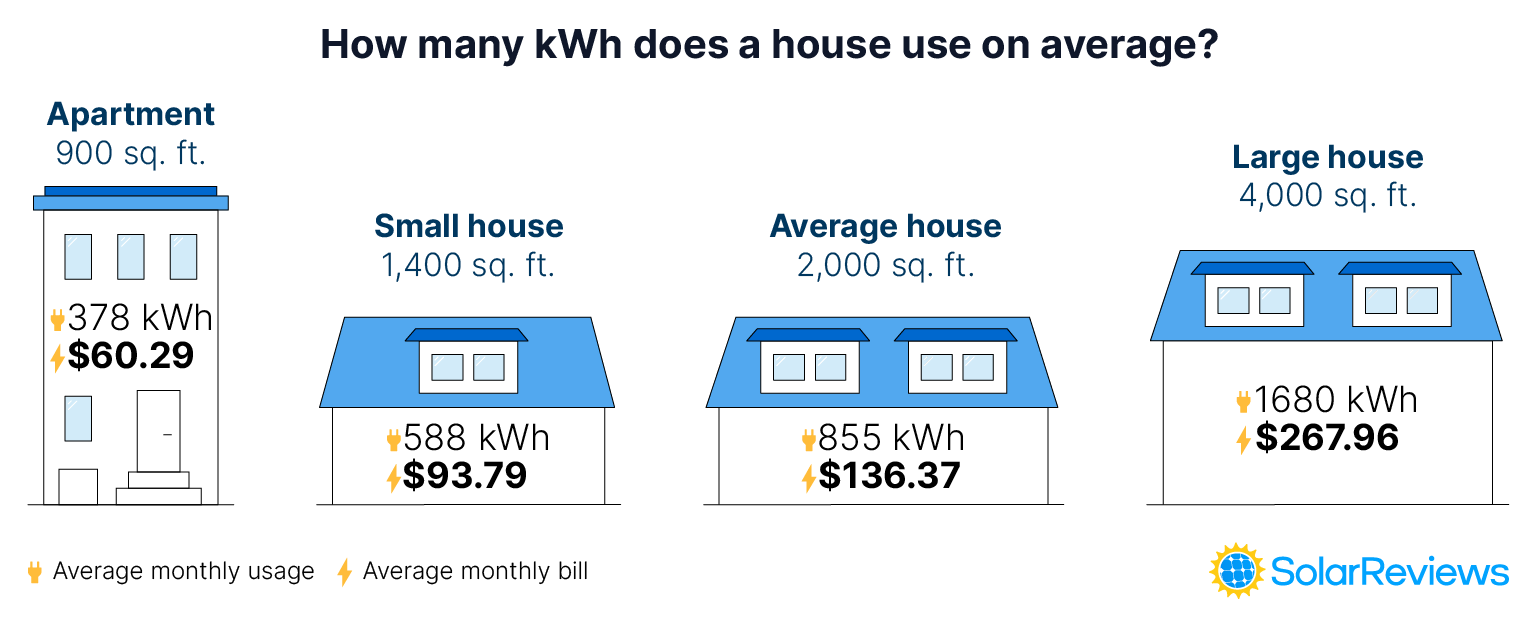
It really depends on your location (hello, extreme weather!), the size of your house, how many people live there, the age and efficiency of your appliances, and your personal energy habits. So, if your bill is significantly higher or lower than that average, don't panic! It just means your home has its own unique energy personality.
Taming Your Energy Beast: A Few Gentle Nudges
Want to nudge your kWh usage down a bit? You don't have to live in the dark like a hermit! Simple things make a difference. Embrace LED lights; they're like the marathon runners of the bulb world – long-lasting and efficient. Unplug those energy vampires, or better yet, use power strips with on/off switches. A quick flick of a switch, and poof, those standby suckers are gone!
Be mindful of your thermostat settings. A degree or two up in summer or down in winter can make a noticeable difference. And consider getting an energy audit; sometimes there are hidden drafts or insulation issues that are silently siphoning your energy (and money!).
Ultimately, understanding your average kWh usage isn't about guilt-tripping yourself every time you turn on a light. It's about being aware. It's about making small, easy changes that can add up, saving you a few bucks and maybe even helping the planet a tiny bit. So next time that bill arrives, you can look at that kWh number with a knowing smile, understanding a little more about where all that electricity went, and perhaps even thinking, "Hmm, maybe I'll unplug that toaster today."