Average Kwh Per Month One Bedroom Apartment
Ever wondered if your electricity bill is normal? Peeking behind the curtain of your energy consumption can be surprisingly fascinating – and incredibly useful! Understanding how much electricity a one-bedroom apartment typically uses each month is like unlocking a secret code to your own energy usage. It's a fun way to become more aware of your environmental footprint and, more importantly, save some serious cash. Plus, who doesn't love a little detective work when it comes to household finances?
So, why should you care about the average kWh (kilowatt-hour) usage in a one-bedroom apartment? Well, the benefits vary depending on who you are:
- For Beginners: If you're new to renting or managing your own bills, this information provides a valuable benchmark. Knowing the average helps you quickly identify if your usage is unusually high, prompting you to investigate potential problems.
- For Budget-Conscious Folks: Understanding your kWh consumption is key to controlling your spending. By comparing your usage to the average, you can pinpoint areas where you're overspending and make adjustments to lower your monthly bill.
- For Eco-Conscious Individuals: Tracking your electricity usage allows you to minimize your environmental impact. Reducing consumption through energy-efficient practices helps conserve resources and reduce your carbon footprint.
Okay, so what is the average? In the United States, a typical one-bedroom apartment consumes roughly between 500 and 750 kWh per month. But remember, this is just an average! Several factors can cause your usage to be higher or lower.
Must Read
Variations to Consider:
![Average Household Electricity Usage in 2025 [kWh per Month]](https://www.electricrate.com/wp-content/uploads/2021/01/1-bedroom-apartment-electric-bill-1024x320.png)
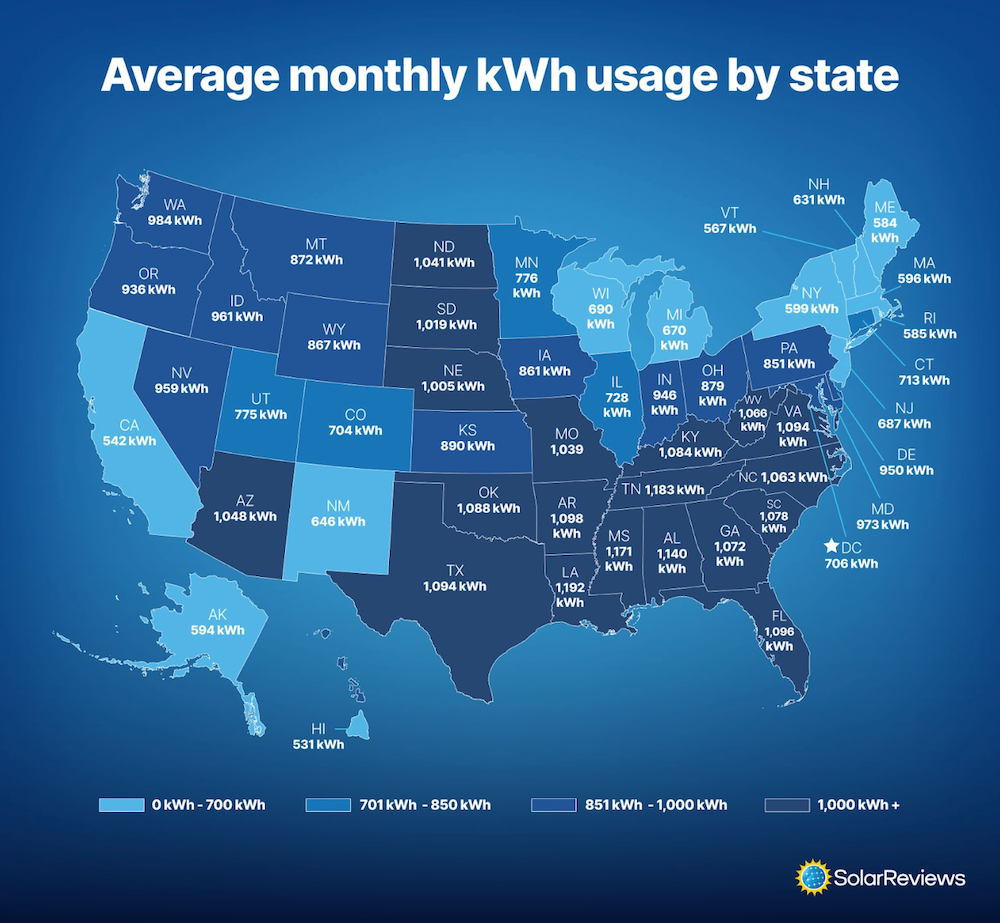
- Location, Location, Location: Climate plays a huge role. Apartments in hotter climates where air conditioning is essential will naturally use more electricity than those in milder regions. Colder climates requiring electric heating will also see higher usage.
- Appliances: The type and age of your appliances significantly impact energy consumption. Older, less efficient appliances consume more power than newer, Energy Star-rated models. Think about that old refrigerator!
- Lifestyle: Are you a work-from-home warrior glued to your computer all day, or do you spend most of your time out and about? Your daily habits heavily influence your energy usage.
- Insulation: Good insulation helps regulate temperature, reducing the need for excessive heating or cooling. Poorly insulated apartments tend to leak energy.
Getting Started: Simple Tips to Track and Reduce Your Usage
- Check Your Bill: Your electricity bill usually shows your monthly kWh usage. Compare your recent bills to identify any trends or spikes.
- Monitor Your Appliances: Unplug electronics when not in use. Even in standby mode, they can still draw power (vampire energy!).
- Switch to LED Lighting: LED bulbs use significantly less energy than traditional incandescent bulbs.
- Adjust Your Thermostat: Setting your thermostat a few degrees higher in the summer and lower in the winter can make a noticeable difference.
- Consider Energy-Efficient Appliances: When it's time to replace an old appliance, opt for an Energy Star-certified model.
Understanding the average kWh usage for a one-bedroom apartment isn't just about numbers; it's about empowering yourself to make informed decisions about your energy consumption. It's about saving money, reducing your environmental impact, and gaining a better understanding of your own household. Embrace the process, experiment with energy-saving techniques, and enjoy the rewards of a more efficient and sustainable lifestyle! It's a small change that can make a big difference.