Average Kwh Per Month For 1 Bedroom Apartment
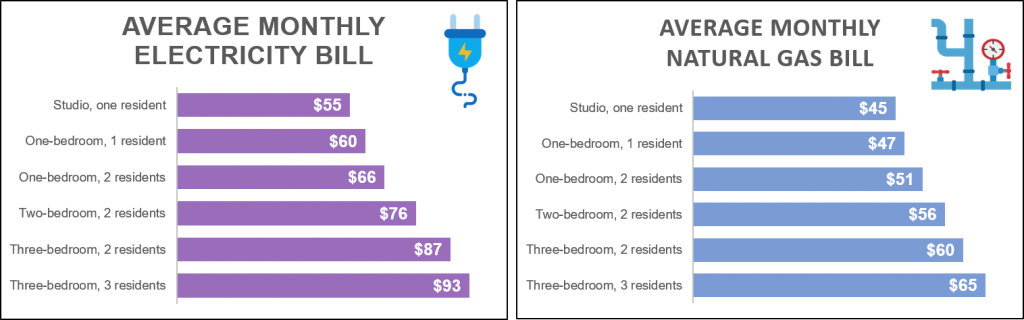
Hey there, future (or current!) apartment dweller! Ever wondered how much juice that cozy 1-bedroom pad of yours slurps up each month? We're talking about electricity, of course! The dreaded (but necessary) energy bill. Let's dive into the wild world of kilowatt-hours (kWh) and try to make sense of it all. Think of me as your friendly neighborhood electricity guru, minus the pointy hat and questionable fashion choices.
So, What's the Magic Number?
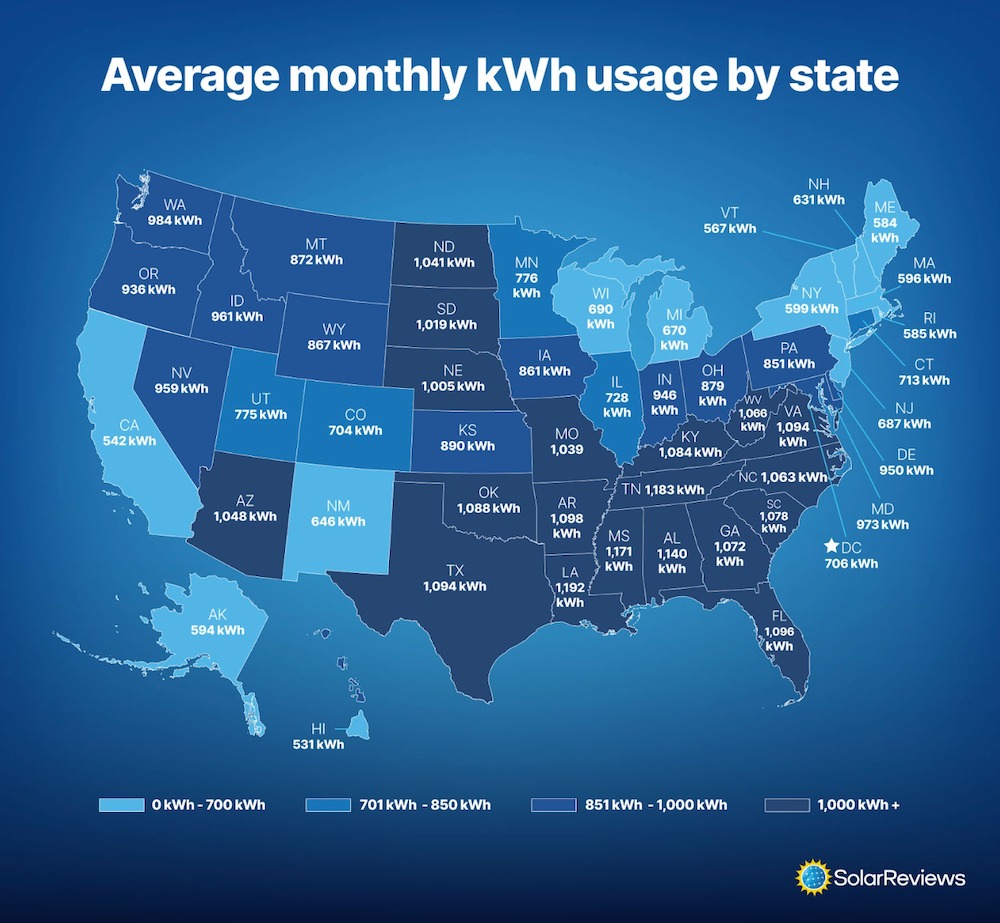
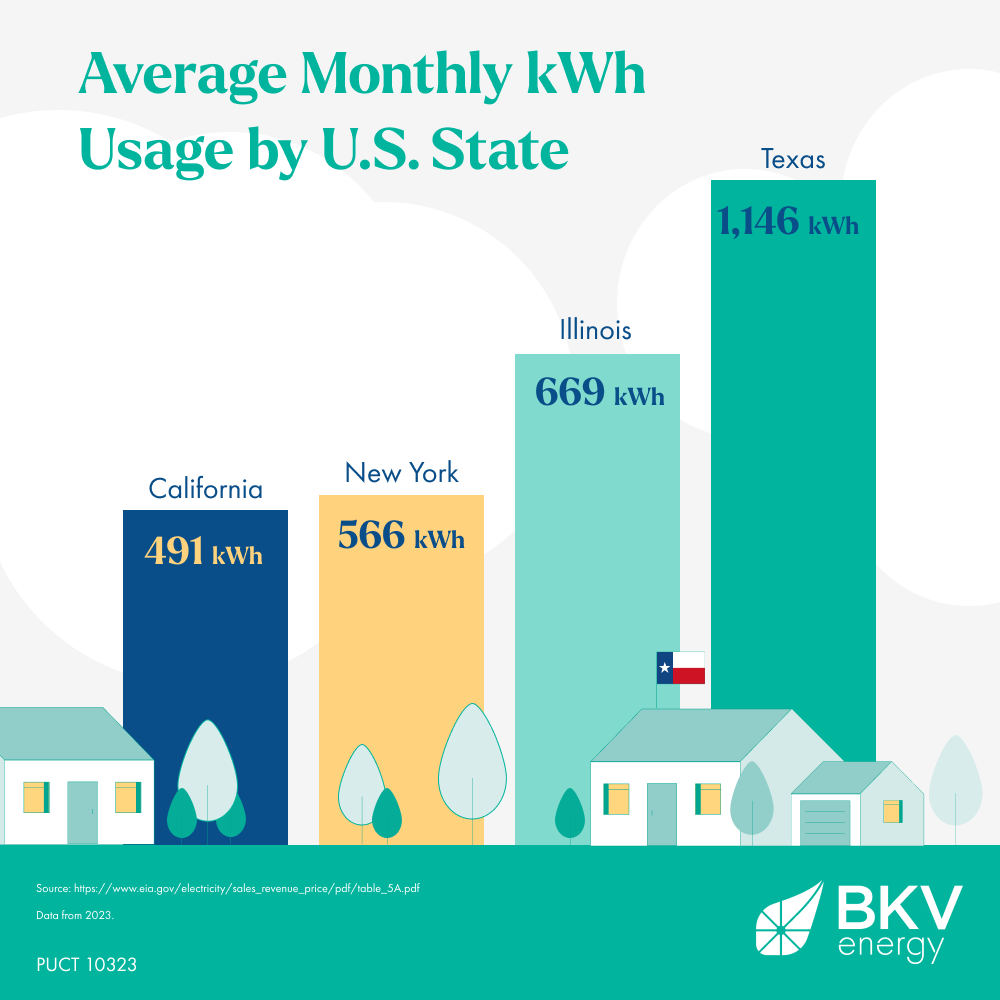
Alright, alright, I know you're itching for a number. The average kWh per month for a 1-bedroom apartment usually falls somewhere between 500 kWh and 750 kWh. But hold your horses! (Do people still say that? Probably not. Let’s pretend they do.) That's just a ballpark figure, a starting point, a "this-is-what-you-might-expect-if-you-lived-in-a-cardboard-box-with-a-single-lightbulb" kind of average. Your actual usage can swing wildly depending on a bunch of factors. We'll get to those sneaky culprits in a sec.
The Usual Suspects: Factors That Impact Your kWh Usage
Okay, detective hat on! Let's unmask the villains that can send your electricity bill soaring higher than a helium balloon at a birthday party:
Must Read
- Location, Location, Location: This isn't just about real estate! If you're living in a scorching desert or a frigid tundra (okay, maybe not literally a tundra, unless you’re really adventurous), your heating and cooling systems are going to be working overtime. More AC or heat equals more kWh, plain and simple.
- Your Appliances' Thirst for Power: Got a vintage refrigerator from the 1950s? (Cool, but probably not energy-efficient.) Or maybe a desktop computer that runs 24/7 mining crypto (please don't, your electricity bill will hate you)? Older appliances and power-hungry gadgets are energy vampires. Upgrade if you can – your wallet (and the planet!) will thank you.
- Your Lifestyle: Are you a homebody binge-watching Netflix all day (no judgment!) or a busy bee who's rarely home? Do you cook elaborate meals every night, or are you more of a takeout person? The more time you spend at home using electricity, the higher your kWh will be.
- Insulation (or Lack Thereof!): A poorly insulated apartment is like wearing a thin t-shirt in winter. Heat escapes easily (or cold air escapes in the summer!), forcing your heating and cooling systems to work harder. Check for drafts around windows and doors.
- Lighting: Swapping out those old incandescent bulbs for LEDs is a simple but powerful way to save energy. Incandescent bulbs are basically tiny space heaters disguised as light sources. LEDs are much more efficient.
Basically, it’s a complex equation. Think of it like baking a cake – lots of ingredients contribute to the final result. But instead of a delicious cake, you get a slightly less delicious (but equally necessary) electricity bill.

Quick Tips to Trim Your kWh Consumption (and Your Bill!)
Alright, enough doom and gloom! Let's talk about how to become an energy-saving superhero! Here are a few easy things you can do:
- Unplug Phantom Loaders: Even when turned off, many electronics still draw power. Unplug chargers, TVs, and other devices when you're not using them. They’re secretly snacking on your electricity!
- Embrace Natural Light: Open those curtains and let the sunshine in! (Just maybe not directly on your TV screen – glare is the enemy.)
- Be Smart About Your Thermostat: Lower the thermostat a few degrees in the winter and raise it a few degrees in the summer. Even small changes can make a big difference.
- Wash Clothes in Cold Water: Hot water uses a lot of energy. Cold water works just as well for most clothes.
- Shorter Showers: Okay, I know, this one’s tough. But even shaving a few minutes off your shower time can save energy. (Plus, you'll have more time to binge-watch that show you've been meaning to see!)
Don't Stress, Just Assess!
Look, electricity usage varies. Don't get too hung up on hitting a specific number. The best thing you can do is monitor your own usage and identify areas where you can make improvements. Check your energy bill each month and compare it to previous months. Are there any spikes? Can you pinpoint the cause? Many energy providers also offer online tools to track your usage and provide personalized recommendations. Knowledge is power (saving)!
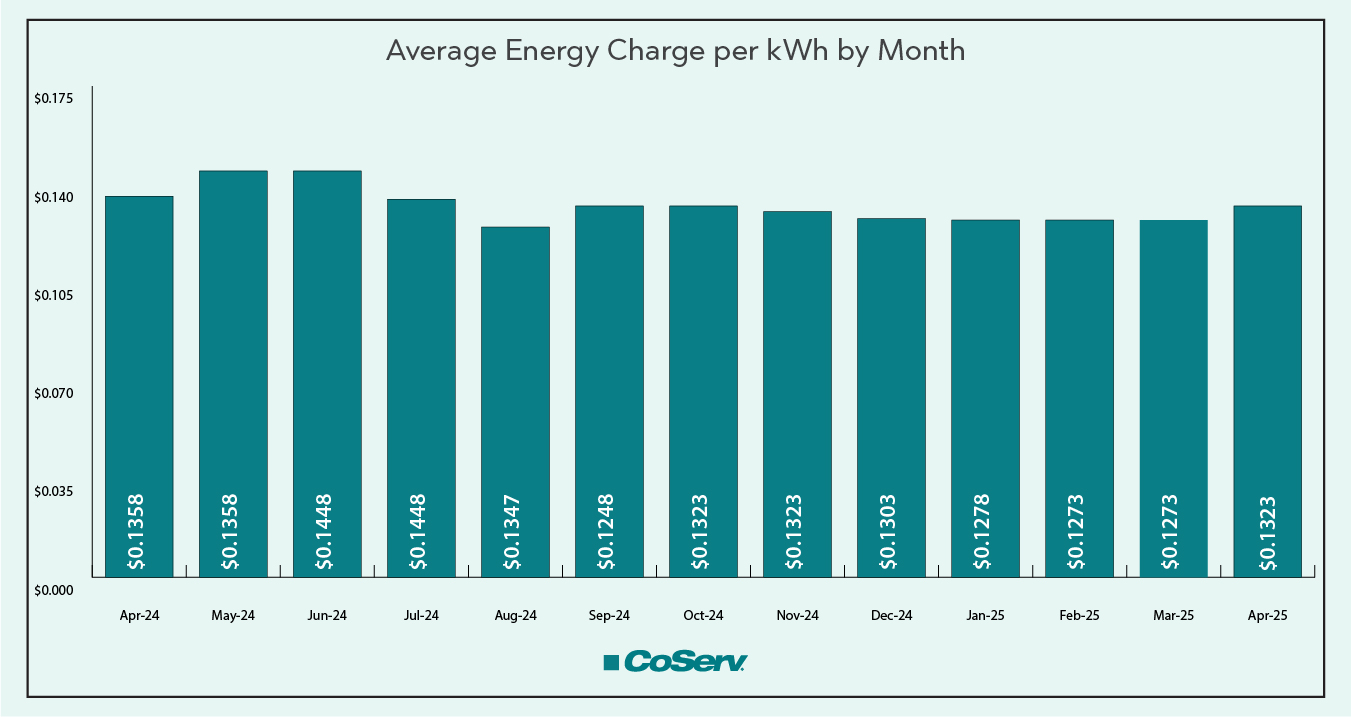
Ultimately, understanding your kWh usage is about empowering yourself to make informed choices. It's about being a responsible consumer and doing your part to conserve energy. And hey, saving a few bucks on your electricity bill is always a good thing, right?
So go forth and conquer that kilowatt-hour monster! You've got this! And remember, even small changes can add up to big savings. Now, if you'll excuse me, I'm going to go unplug my toaster... just in case.