Average Household Energy Consumption Per Day
Ever wonder where all that electricity goes after you flip the switch? Or how much energy your household actually uses in a day? Understanding your average daily energy consumption might sound about as exciting as watching paint dry, but trust us, it's surprisingly useful, even… dare we say… fun! Okay, maybe not hilariously fun, but empowering! Knowing this information can help you save money, reduce your environmental impact, and even understand your home's reliance on the electrical grid.
So, why should you care about your daily energy usage? The purpose of understanding your energy consumption is two-fold: awareness and control. Firstly, becoming aware of how much energy you use is the first step towards making informed decisions. Imagine you're trying to lose weight but have no idea how many calories you're consuming. Measuring your energy use is like tracking your calories – it gives you a baseline.
Secondly, this awareness gives you control! Once you know where your energy is going, you can identify areas where you can cut back. Maybe that old refrigerator in the garage is a serious energy hog. Perhaps you're leaving lights on unnecessarily or running the air conditioner when you could open a window. Identifying these problem areas allows you to take action and lower your bills, which is definitely something to celebrate! The benefits are pretty clear: lower utility bills, a smaller carbon footprint, and a greater sense of control over your household expenses.
Must Read
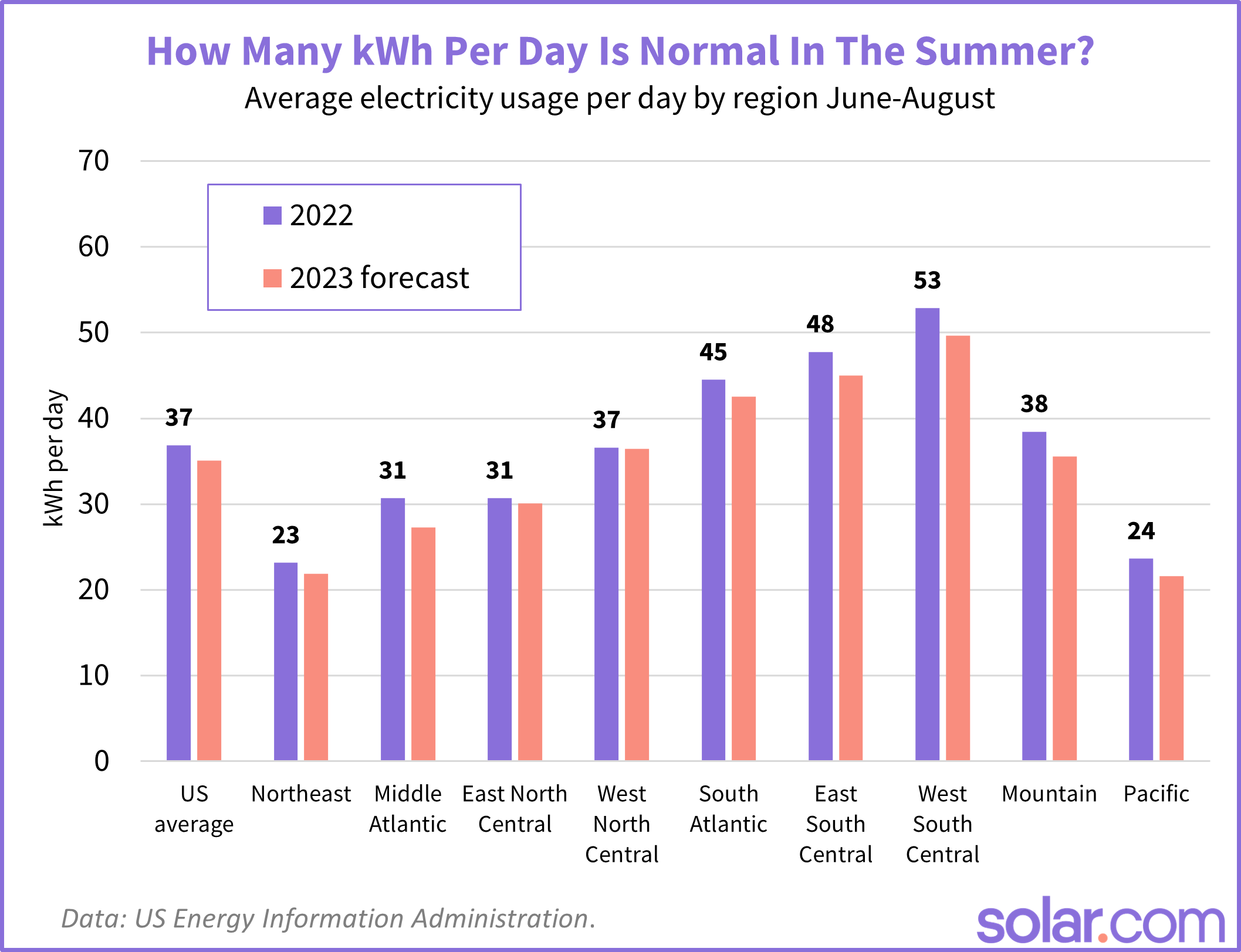
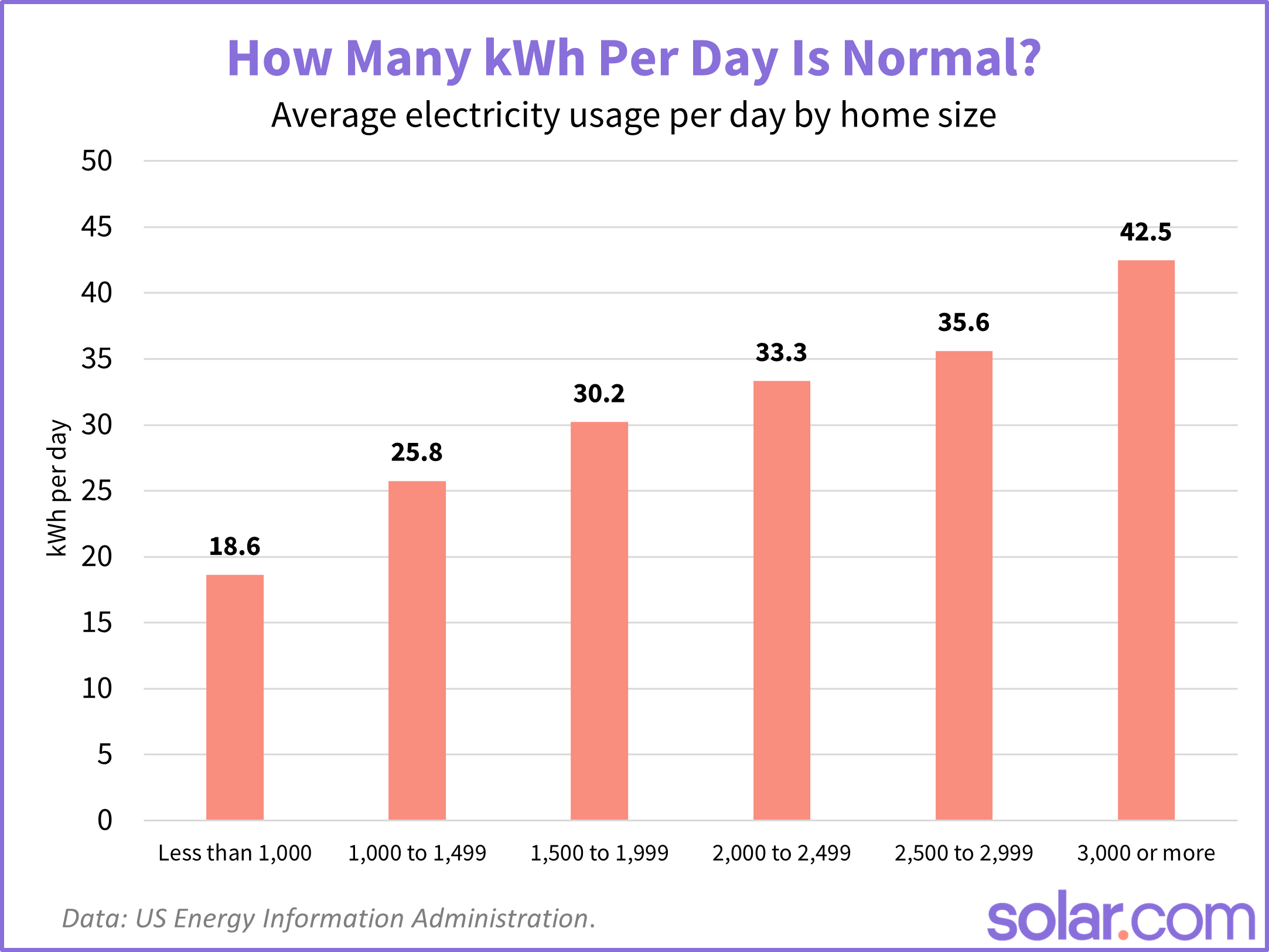
Okay, let's talk numbers. While the exact amount varies depending on location, house size, family size, and lifestyle, the average US household consumes roughly 30 kilowatt-hours (kWh) of electricity per day. Think of a kilowatt-hour as the amount of energy it takes to run a 1,000-watt appliance for one hour. So, a 100-watt light bulb would take 10 hours to use one kWh.
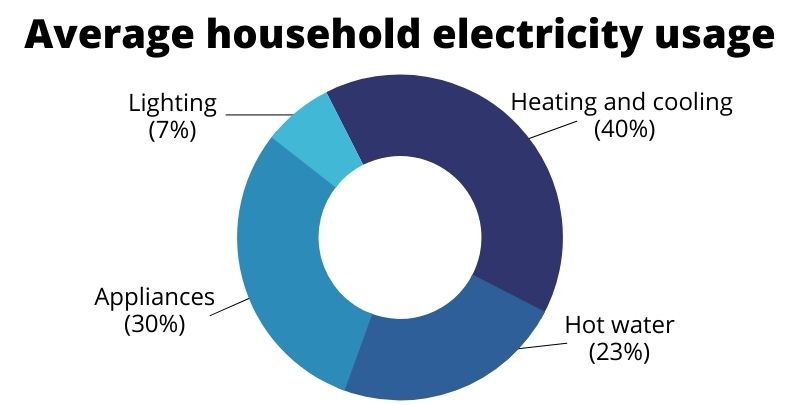
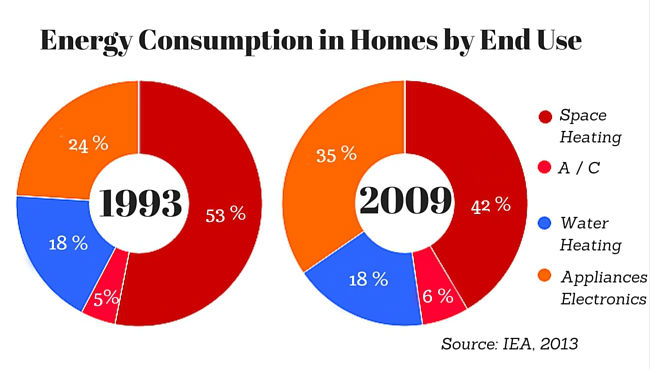
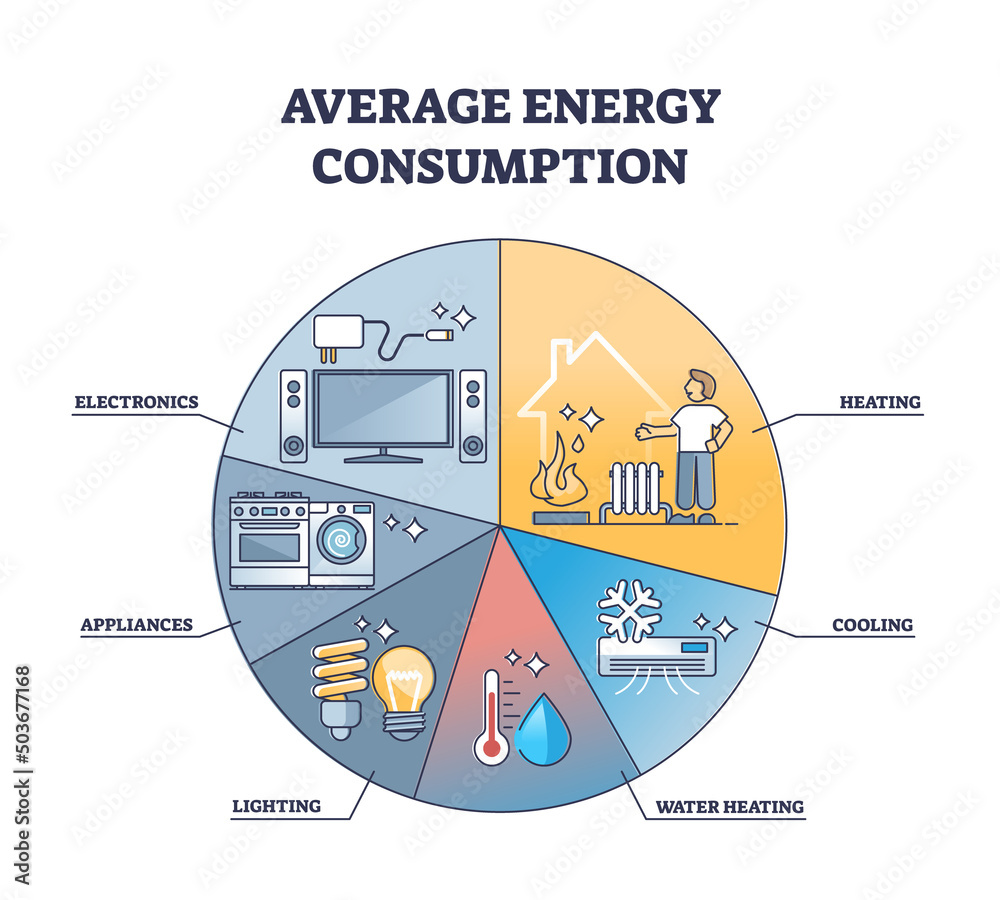
But what’s sucking up all that juice? Heating and cooling are often the biggest culprits, especially during extreme weather. Appliances like refrigerators, freezers, and water heaters run constantly. Electronics, even when turned off, can draw standby power (vampire energy!). And of course, activities like cooking, laundry, and using the computer all contribute to your daily energy total.
So, how can you get a better handle on your household's average daily consumption? Start by checking your electricity bill. Most bills show your monthly usage in kWh. Divide that number by the number of days in the month to get a rough estimate of your daily average. For a more precise reading, consider using a smart meter or energy monitoring device. These tools provide real-time data and can help you pinpoint exactly which appliances are using the most energy. Another simple trick is to read your meter daily at the same time for about a week and see how much you’ve used.
Ultimately, understanding your average household energy consumption per day is about more than just numbers. It's about making informed choices that benefit your wallet and the planet. So, go forth, measure your energy use, and become a household energy ninja! You might be surprised by what you discover, and you'll definitely be happy with the savings!