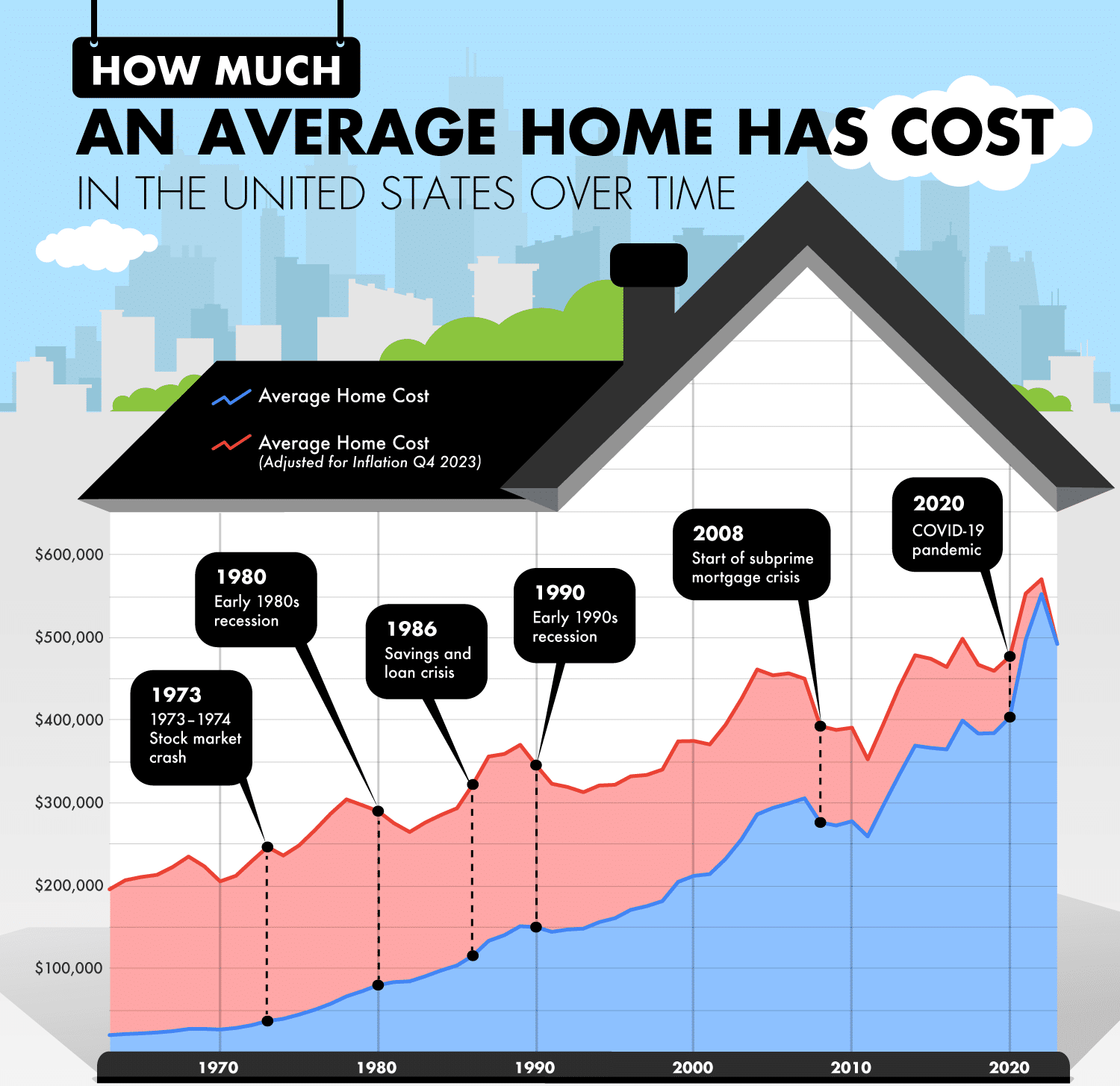
Average House Prices In The Us
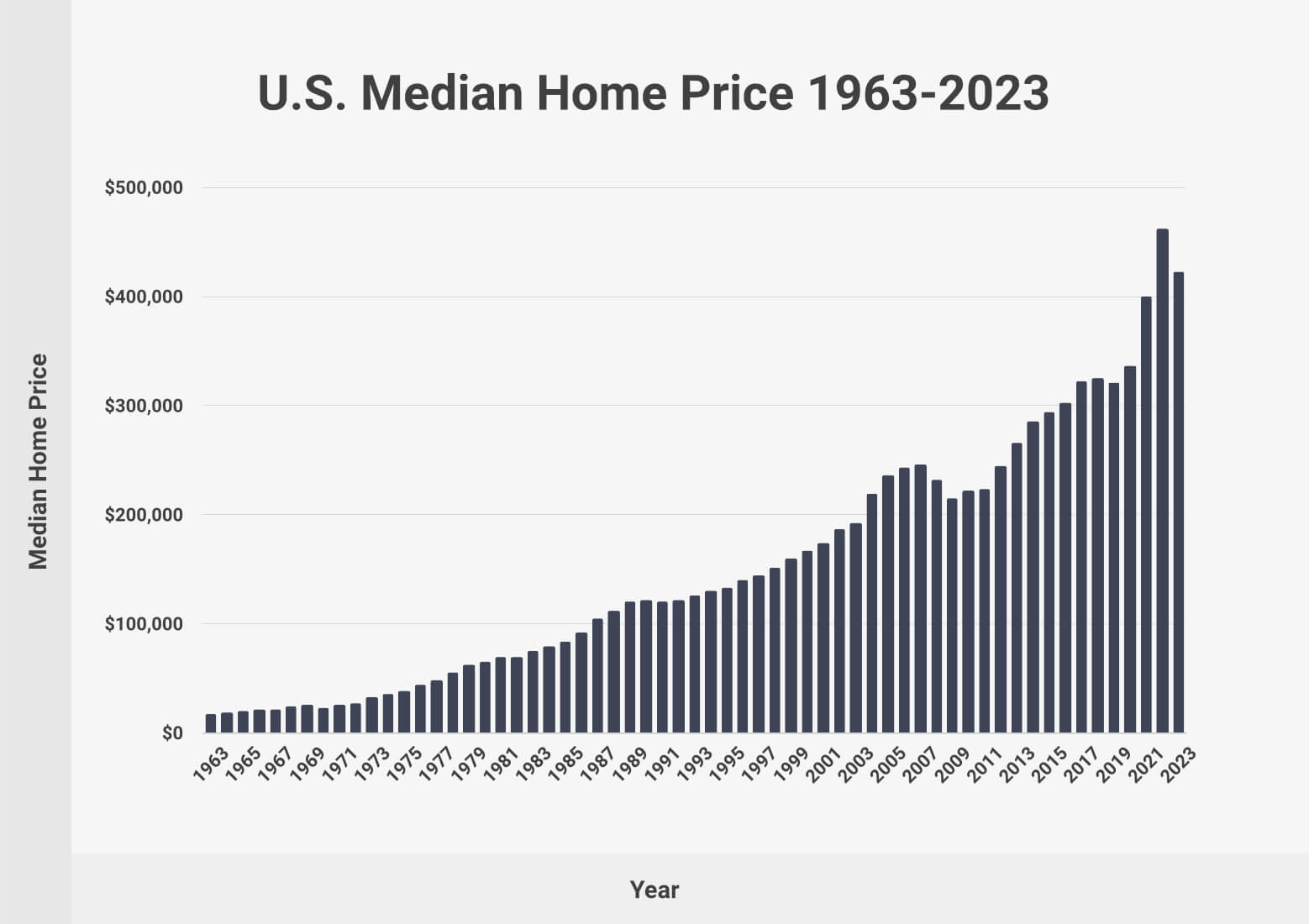
Ever found yourself scrolling through real estate listings, or maybe just overheard a snippet on the news about housing prices, and wondered: "What's the deal with the average house price in the US?" It’s a question that sparks curiosity, fuels dinner-table conversations, and even influences major life decisions for millions. Whether you're a first-time homebuyer dreaming of a white picket fence, a seasoned investor keeping an eye on market trends, or simply someone who enjoys understanding the economic pulse of the nation, diving into average house prices is surprisingly fun and incredibly useful!
The beauty of understanding this "average" isn't about finding one magical number that applies to every single house from coast to coast. Instead, it’s about grasping the bigger picture. It helps us understand the general health and direction of the housing market, offering a benchmark against which individual situations can be compared. Think of it as a compass in a vast and varied landscape, guiding your understanding of where things generally stand. It’s a powerful tool for setting realistic expectations, planning your finances, and making informed choices about one of the biggest investments most people will ever make.
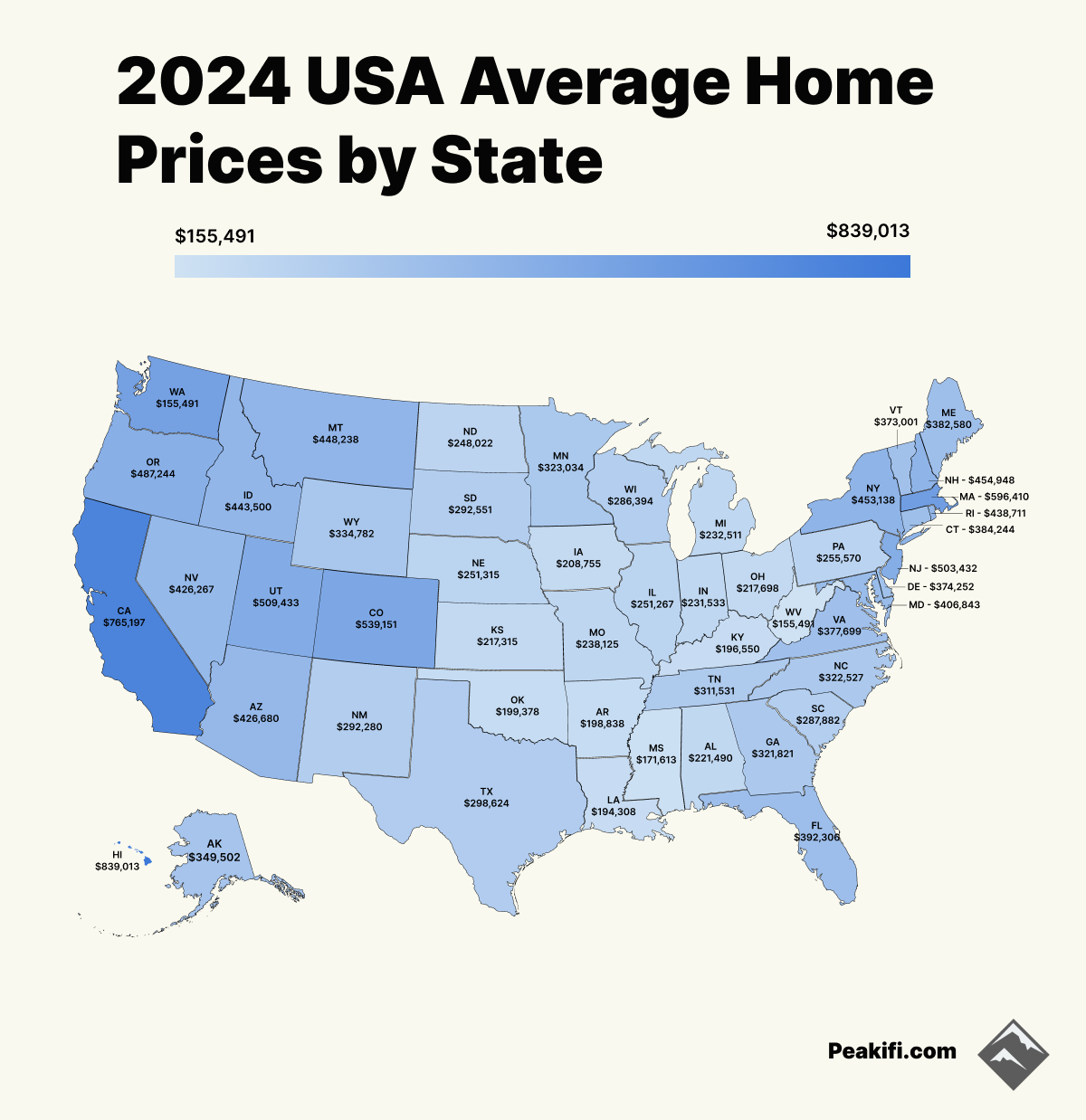
So, what exactly does "average" mean here? When experts talk about average home prices, they’re usually referring to the median sales price. This isn't the simple arithmetic mean (which can be heavily skewed by a few ultra-luxury properties). Instead, the median is the price where exactly half of the homes sold for more and half sold for less. It gives us a much more representative snapshot of what the typical buyer or seller is experiencing. But here's the kicker: this median number is a national average, and housing is incredibly local! Prices fluctuate wildly based on location – think bustling city centers versus tranquil rural towns, or high-demand coastal markets versus more affordable heartland regions.
Must Read
Many factors contribute to this dynamic number. Interest rates, the overall health of the economy, local job growth, the number of homes available for sale (supply), and the number of people wanting to buy (demand) all play pivotal roles. These elements dance together, constantly shifting the landscape of affordability and opportunity. Knowing the national average provides a contextual anchor, but remember to always dig deeper into the specific market you're interested in. It's like knowing the average temperature of the US; it's useful, but you'd still check the local forecast before packing your bags!
Ultimately, understanding average house prices isn't just for economists or real estate agents. It empowers you. It helps you anticipate market changes, recognize good value, and make smarter decisions, whether you're buying your first starter home, upgrading to a dream house, or just trying to comprehend the economic headlines. It transforms complex data into accessible insights, making the world of real estate a little less intimidating and a lot more engaging.