Average Electricity Usage Per Household Per Day
Ever wonder where all those kilowatts go? Thinking about your electricity bill can be a drag, but understanding your average electricity usage isn't just about saving money – it's about understanding your energy footprint and making your home a little more efficient. It's like detective work, figuring out where all the energy is sneaking off to!
So, what's the deal with average daily electricity use? Well, it varies, but knowing a ballpark figure helps you understand if you're using more or less than your neighbors. For beginners, this means getting a handle on the basics of energy consumption. Are you leaving lights on unnecessarily? Is your ancient refrigerator guzzling power like a thirsty camel? Identifying the culprits is the first step to taking control.
For families, understanding daily electricity usage is crucial for budgeting and teaching kids about conservation. Imagine challenging your family to lower your daily usage by a certain percentage – it's a fun way to save money and become more environmentally conscious. Plus, knowing your consumption patterns helps you identify opportunities to upgrade to more energy-efficient appliances or make simple changes like switching to LED bulbs.
Must Read
Even hobbyists, like those interested in home automation or renewable energy, can benefit. Knowing your average daily usage is essential for sizing solar panel systems or implementing smart home technologies that optimize energy consumption. You can track your usage in real-time and fine-tune your energy habits for maximum efficiency.
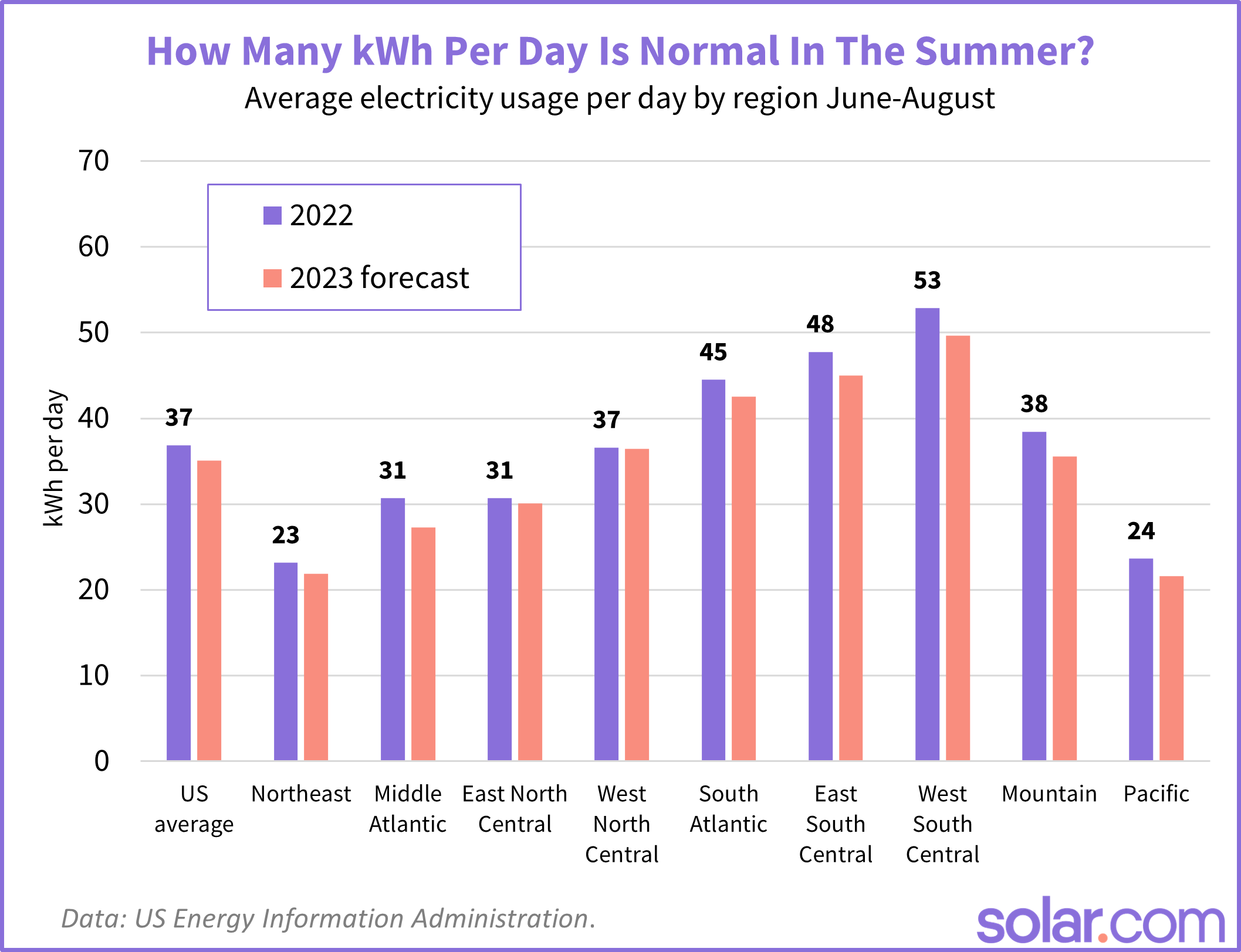
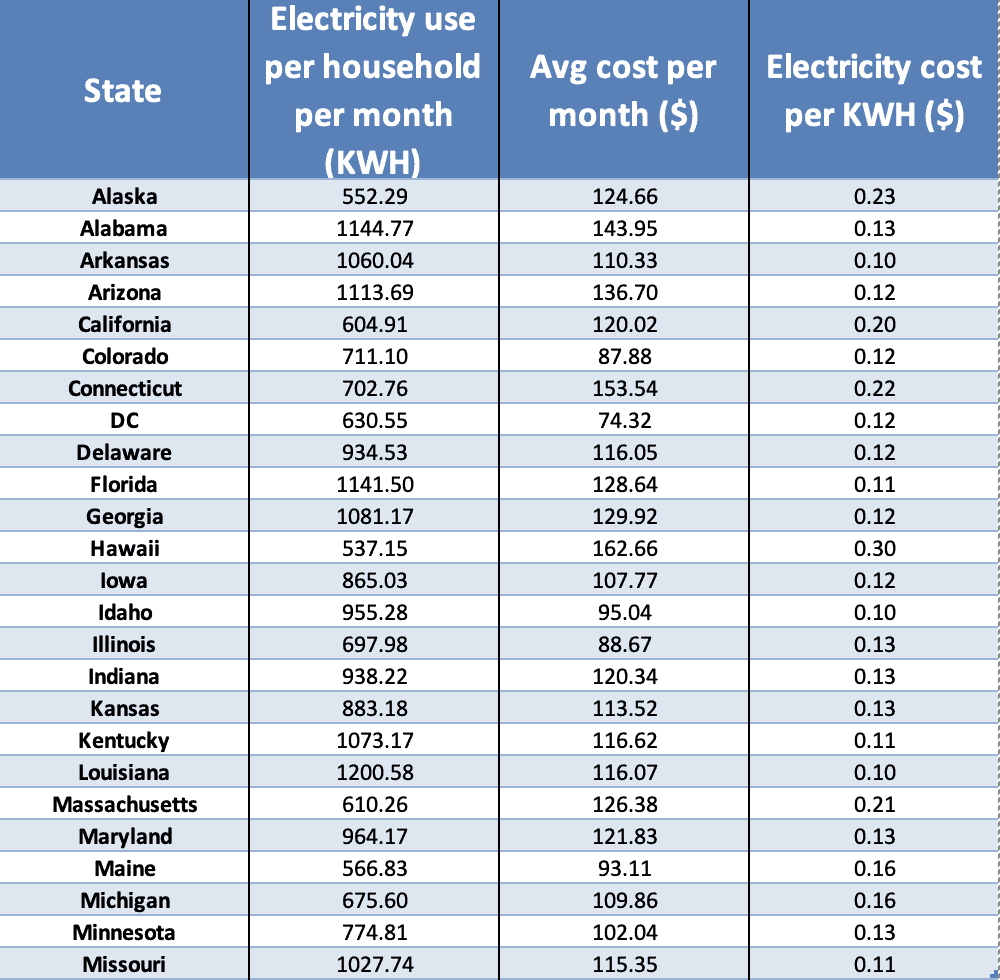
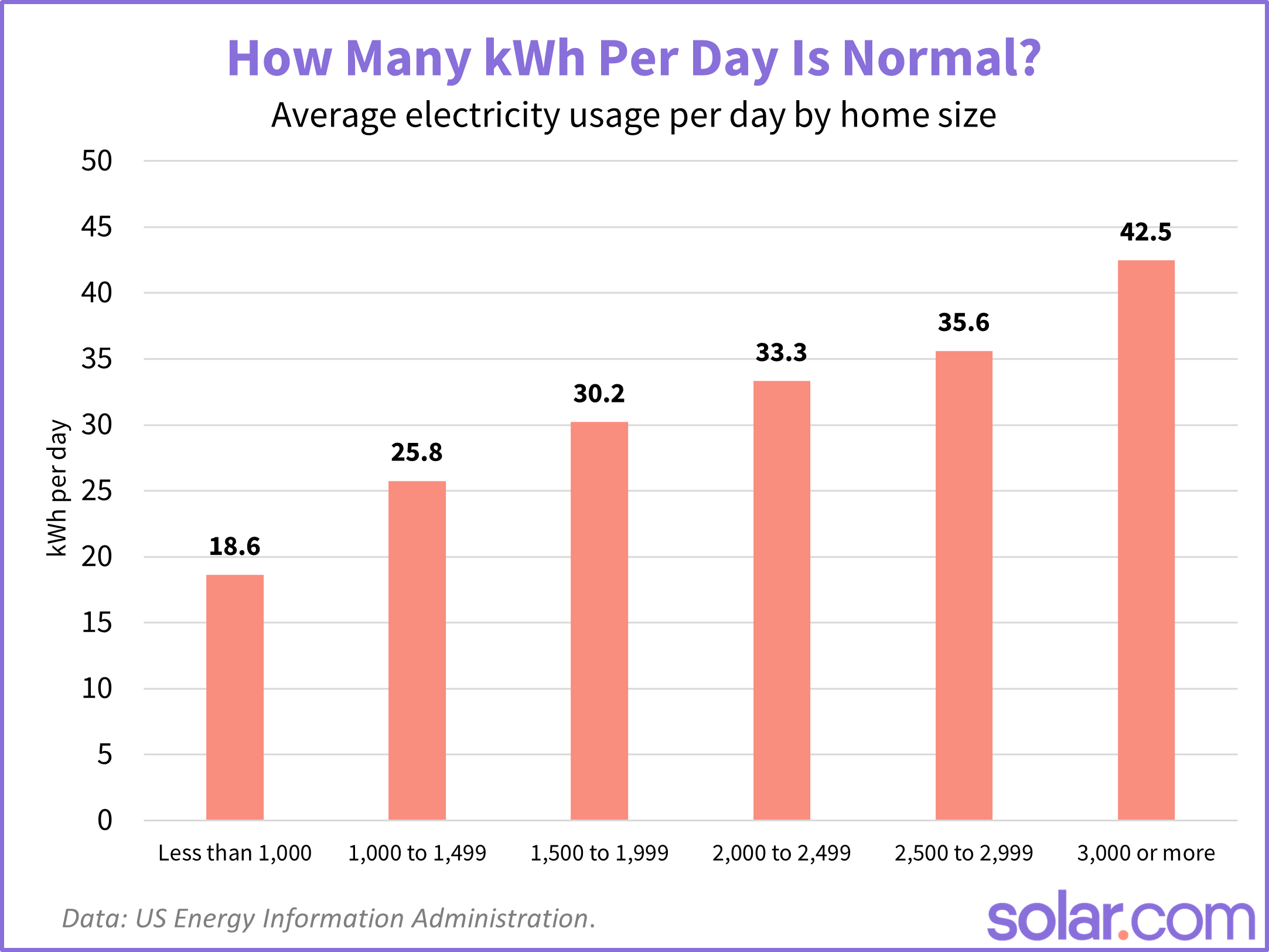
Let's talk variations. Average daily electricity usage depends on factors like your location, the size of your home, the appliances you own, and even the time of year. For instance, homes in hotter climates tend to use more electricity for air conditioning during the summer months. A small apartment with minimal appliances will naturally use less energy than a large house with multiple occupants and energy-intensive devices like electric vehicles or hot tubs. Some people are also heavy users because they work from home and use computer, lights, and air conditioning all day.
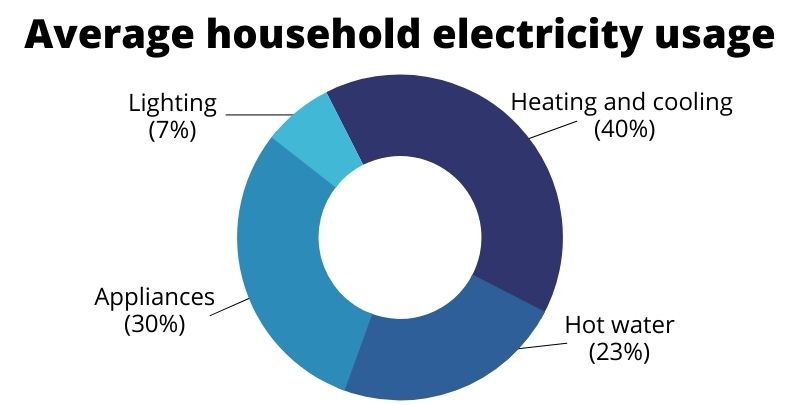
What about some simple tips for getting started? First, check your electricity bill to see your average daily kilowatt-hour (kWh) consumption. Then, start tracking your usage using a smart meter or a simple energy monitor. Unplug devices when they're not in use, even chargers, as they can still draw power. Switch to LED lighting, wash clothes in cold water, and take shorter showers. These small changes can add up to significant savings over time. Consider investing in a smart thermostat to regulate your home's temperature automatically, further optimizing your energy consumption.
Finally, remember that understanding your average electricity usage isn't about deprivation; it's about empowerment. It’s about making informed decisions, saving money, and contributing to a more sustainable future. So, dive in, experiment, and enjoy the journey of becoming a more energy-aware homeowner! It's surprisingly satisfying to see those kilowatt-hours shrink as you implement energy-saving strategies.