Average Electricity Usage One Bedroom Apartment
Living in a one-bedroom apartment: it's a classic story! It's the launching pad for so many, a cozy nest for singles, and a perfect space for couples just starting out. But beyond the romance and the ramen, a question always lurks: What's this place costing me, specifically when it comes to electricity? Let's demystify the world of one-bedroom apartment energy usage and uncover some surprising insights.
Understanding your electricity consumption is more than just budgeting; it empowers you to make conscious choices and even sparks creativity! Think of the artist crafting digital masterpieces late into the night, relying on their computer and drawing tablet. Or the hobbyist engrossed in intricate miniature painting, needing perfectly illuminated workspace. And what about the casual learner diving into online courses, burning the midnight oil while mastering a new language? Knowing how much power you're using lets you optimize your environment for productivity and enjoyment, not just begrudgingly pay the bill.
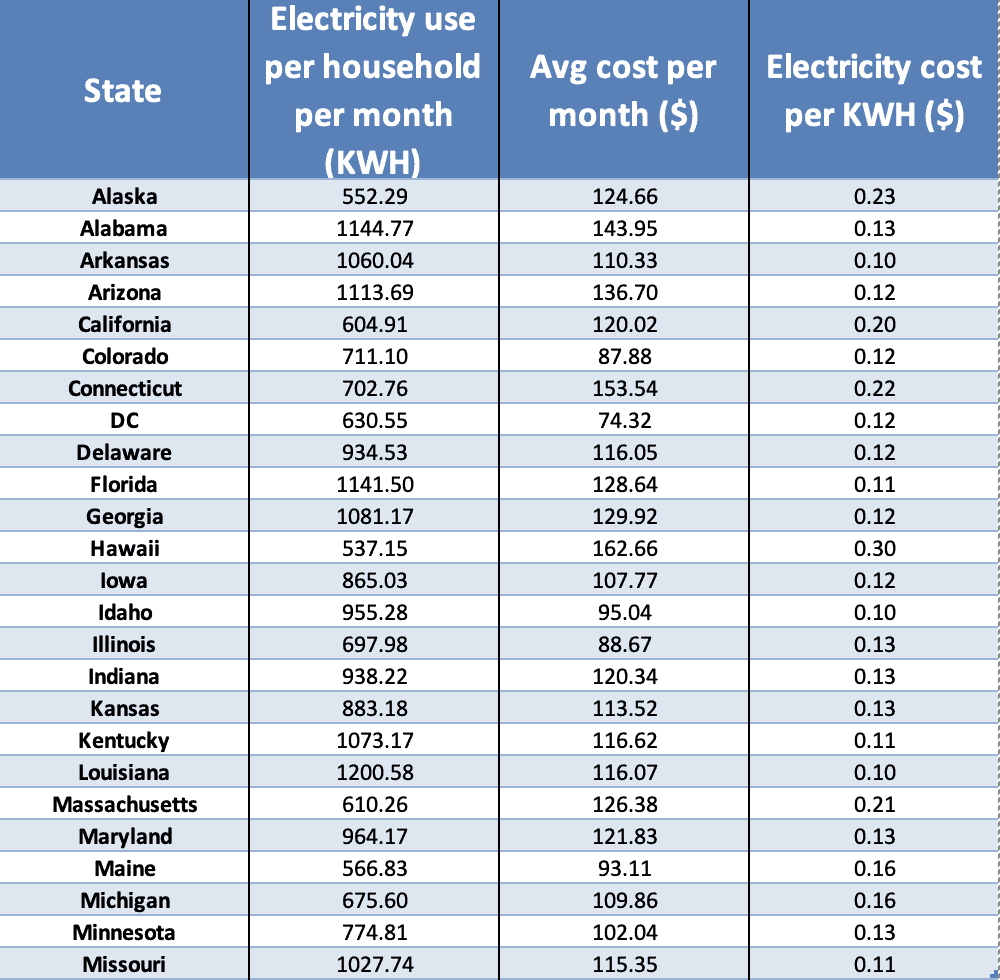
So, what exactly does "average" look like? Of course, it varies depending on location, climate, and personal habits. However, a general range for a one-bedroom apartment falls somewhere between 500 and 1000 kWh (kilowatt-hours) per month. Consider these examples:
Must Read
- The Minimalist: Someone who prioritizes natural light, uses energy-efficient appliances, and is diligent about turning off lights and electronics when not in use might hover around the 500-600 kWh mark.
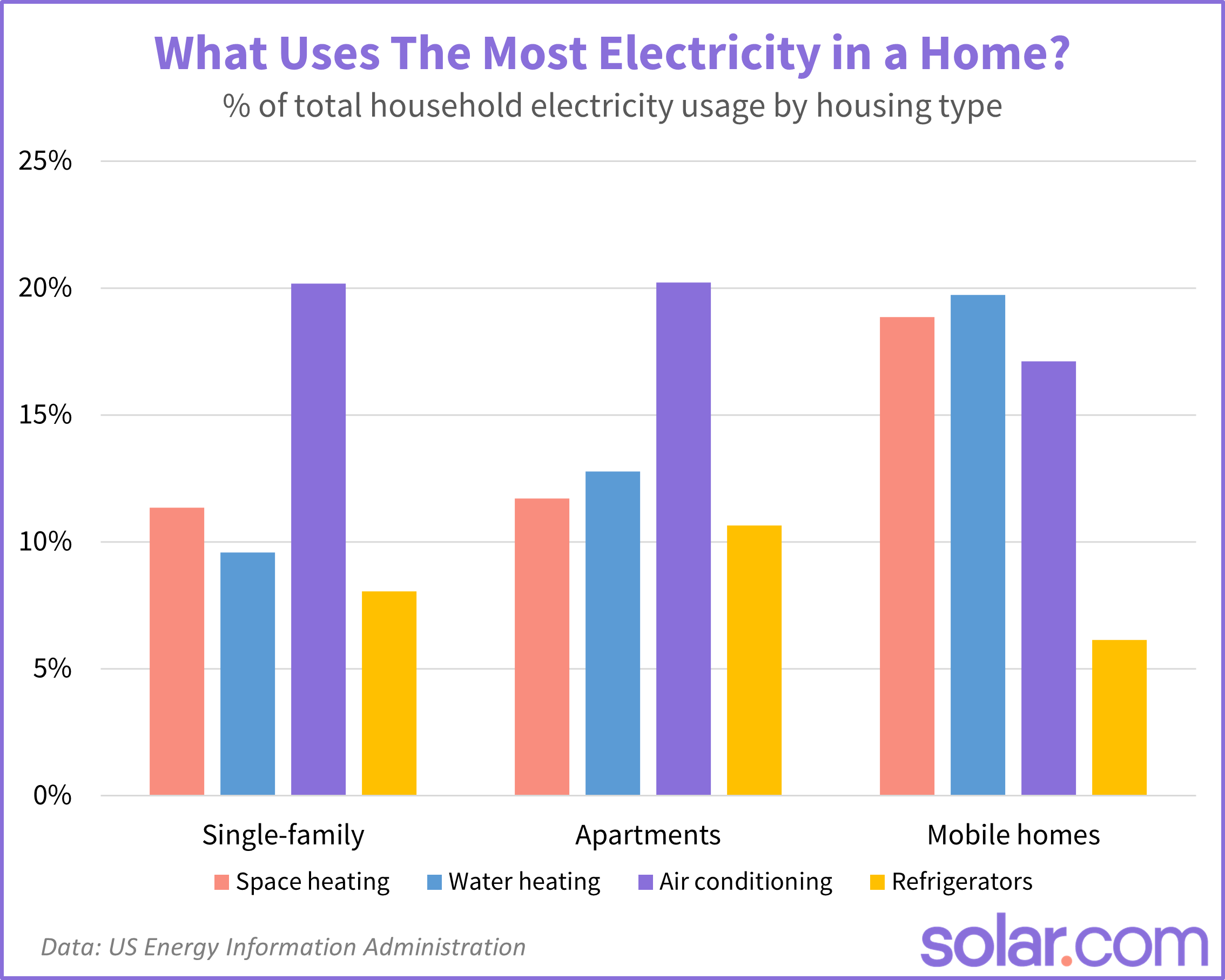
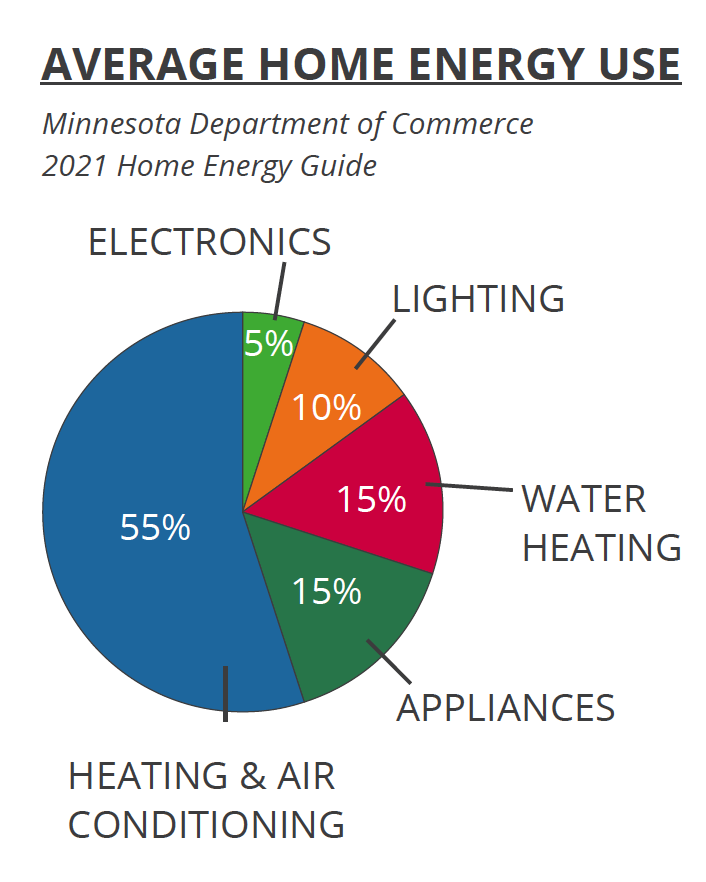
- The Homebody: Enjoying frequent movie nights, gaming sessions, and relying heavily on air conditioning or heating could push consumption closer to 800-900 kWh.
- The Work-From-Home Warrior: Constantly running a computer, printer, and other office equipment, plus potentially using space heaters or extra lighting, could see usage reaching the 1000 kWh range.
Ready to take control of your electricity bill and maybe even free up some funds for that new hobby? Here are a few tips to try at home:
- Embrace Energy-Efficient Lighting: Switch to LED bulbs. They last longer and use significantly less energy than incandescent bulbs.
- Unplug Phantom Loads: Many electronics continue to draw power even when turned off. Unplug chargers, TVs, and other devices when not in use.
- Smart Thermostat Savior: Invest in a programmable thermostat to regulate heating and cooling, especially when you're away from home.
- Appliance Awareness: Use energy-efficient settings on your dishwasher, washing machine, and dryer. Clean the lint trap regularly.
- Seal the Deal: Check for drafts around windows and doors and seal them with weather stripping or caulk.
Beyond the financial benefits, understanding your electricity usage can be surprisingly empowering and even fun! It's about being mindful of your impact, making informed choices, and creating a living space that supports your lifestyle without draining your wallet or the planet. It’s a chance to become a more conscious consumer, experiment with energy-saving techniques, and ultimately, live a little greener. So, grab a kilowatt-hour meter, start tracking, and see what you can discover! You might be surprised at how much you can save – both energy and money – by simply paying attention.