
Average Electric Bill For A 1 Bedroom Apartment

Alright, folks, gather 'round! Let’s talk about the monster in the closet… no, not your ex’s questionable fashion sense, but your electric bill! Specifically, the average electric bill for a 1-bedroom apartment. It's a topic as thrilling as watching paint dry, I know, but trust me, we'll make it fun (or at least try not to induce a coma).
So, what's the damage? Buckle up, because the answer is the classic: it depends! I know, I know, you came here for a definitive number. But pinning down an exact average is like trying to herd cats wearing roller skates. Impossible!
Think of your 1-bedroom apartment as a tiny, electrified ecosystem. Its energy consumption depends on a whole bunch of factors. Let's break them down with the grace of a rhino on a trampoline, shall we?
Must Read
Location, Location, Electrocution! (Just kidding... mostly)
Where you live plays a huge role. If you're in sunny San Diego, basking in perpetual sunshine, your AC probably isn't working overtime. But if you're braving the polar vortex in Minneapolis, your heater is likely singing (or screaming) a different tune. States with colder winters and scorching summers generally have higher average electric bills.
For example, states like Hawaii (surprise!) and Alaska often have higher electricity costs due to various factors, including their reliance on imported fuel or unique geographical challenges. Meanwhile, states with abundant renewable energy sources or more moderate climates tend to have lower costs. Geography is destiny, baby! Or at least, it's destiny for your wallet.
Appliance-ageddon
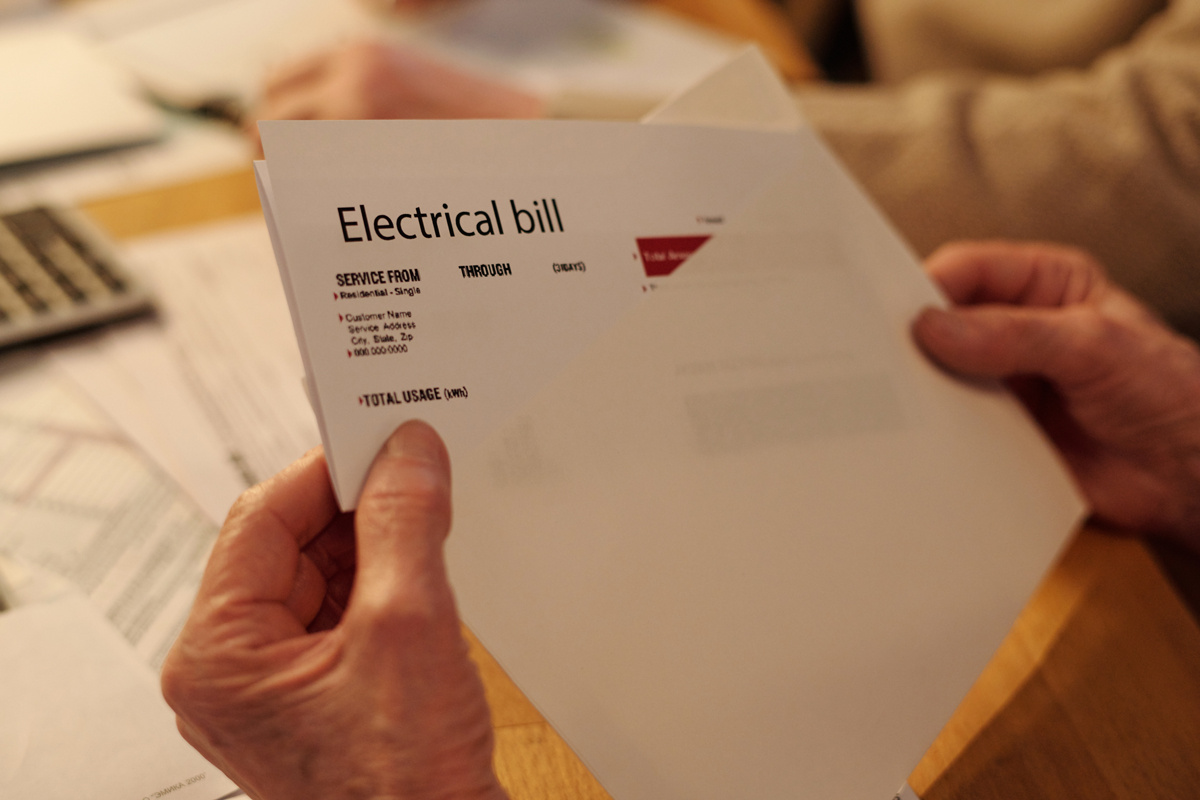
Okay, let’s talk appliances. That vintage refrigerator you inherited from your great-aunt Mildred might have sentimental value, but it's probably also sucking up electricity like a black hole devouring stars. Older appliances are notoriously inefficient. Consider upgrading to Energy Star certified models. Your wallet (and the planet) will thank you.
Do you have a plasma TV the size of a small car? A gaming PC that glows brighter than a supernova? A collection of lava lamps that would make Austin Powers jealous? These things all contribute to your energy consumption. Be mindful of what you're using and when. Turn off lights when you leave a room (duh!), and unplug electronics when they're not in use. They still draw power, even when turned off. Think of it as vampires, but instead of blood, they’re sucking your kilowatt-hours.
The Temperature Tango
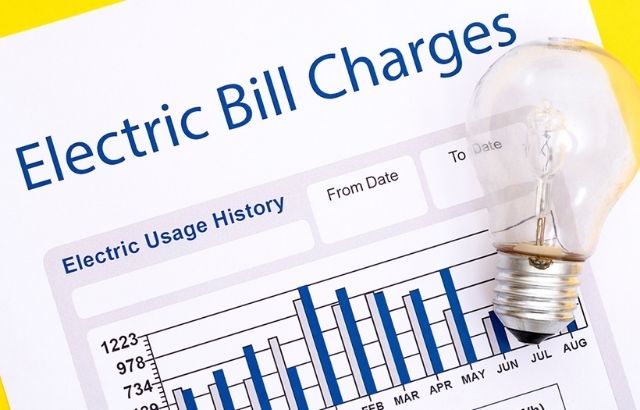
Ah, the thermostat. The device that causes more arguments than pineapple on pizza. Are you a "crank it up to 80 in the summer" type, or a "dress in five layers and embrace the chill" kind of person? Your thermostat settings have a massive impact on your electric bill.
A good rule of thumb is to set your thermostat as high as comfortably possible in the summer and as low as comfortably possible in the winter. Consider a programmable thermostat that automatically adjusts the temperature based on your schedule. It’s like having a tiny, energy-saving robot in your apartment!
So, What's the Actual Number? (Finally!)
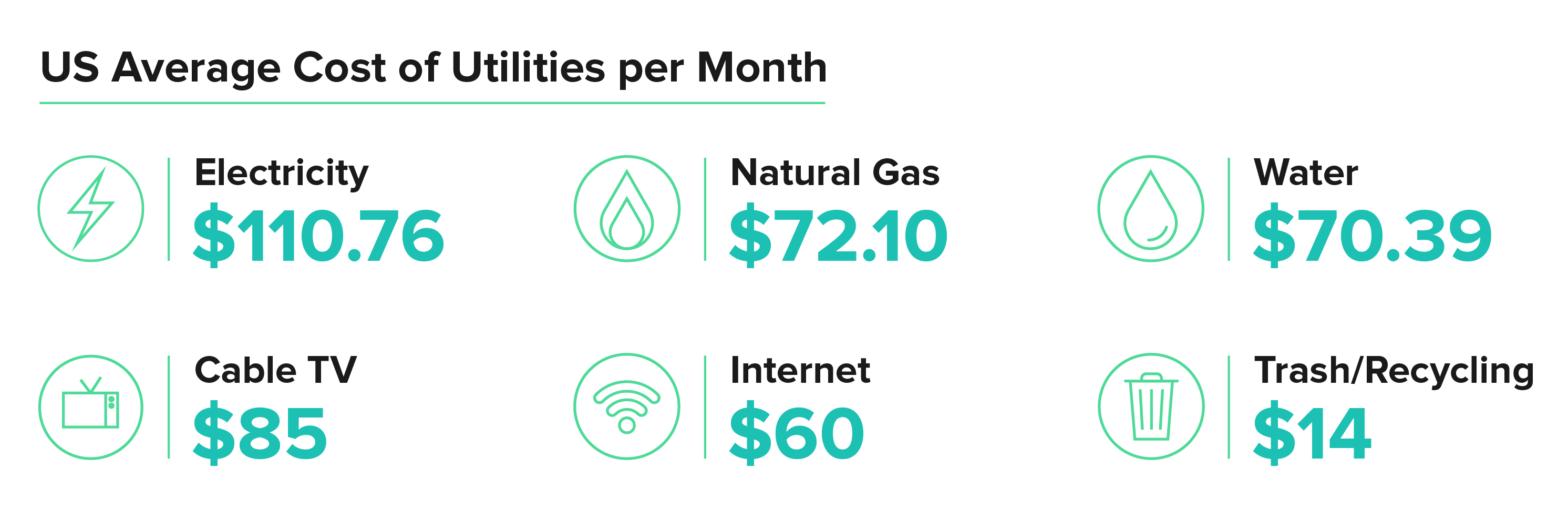
Okay, okay, I hear you. Enough rambling. Let's get down to brass tacks. While it varies wildly, a reasonable average electric bill for a 1-bedroom apartment in the US typically falls between $50 and $150 per month. But again, this is a VERY broad range. You might pay less if you’re super frugal and live in a temperate climate, or you might pay more if you’re running a hydroponic farm in your living room (please don’t do that).
To get a more accurate estimate, check your previous bills. Look at your kilowatt-hour (kWh) usage. Then, compare your usage to the average kWh usage for your region. You can find this information online or by contacting your local utility company.
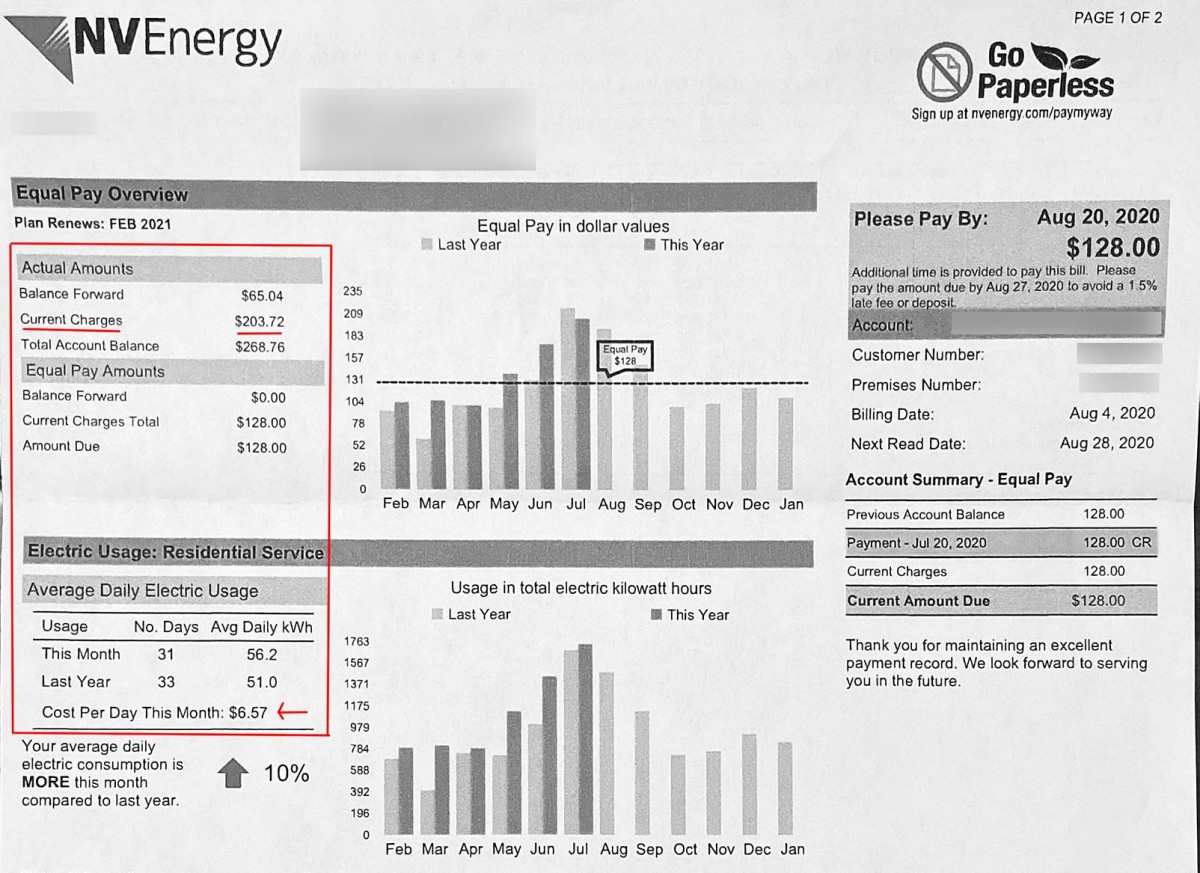
You can also use online energy calculators. These tools ask you questions about your appliances, usage habits, and location to provide a personalized estimate of your electric bill.
Bonus Tip: Befriend Your Neighbors
Okay, maybe not befriend, but politely ask them what their average electric bill is. This can give you a general idea of what to expect in your building. Just don't be creepy about it. "Hey, nice weather we're having... also, how much do you pay for electricity? Asking for a friend." Not a good look.
In conclusion, figuring out the average electric bill for a 1-bedroom apartment is a bit of a guessing game. But by understanding the factors that influence your energy consumption, you can take steps to lower your bill and save some serious cash. Now go forth and conquer those kilowatt-hours! And maybe buy yourself something nice with the savings. Like a new lava lamp. Just kidding… mostly.