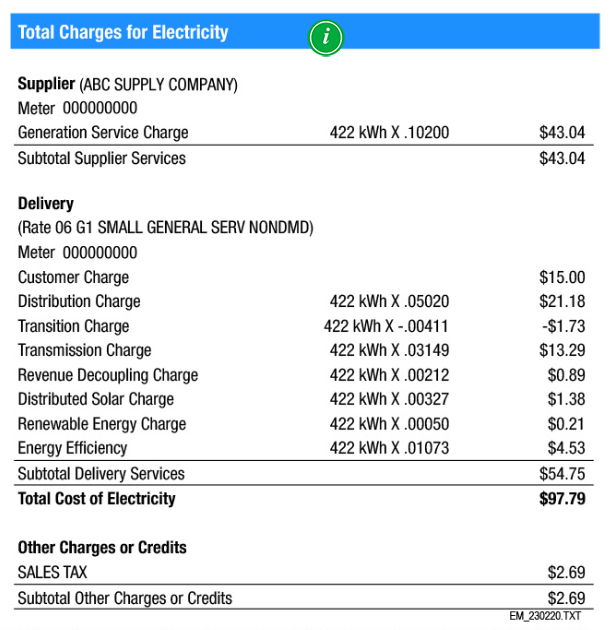
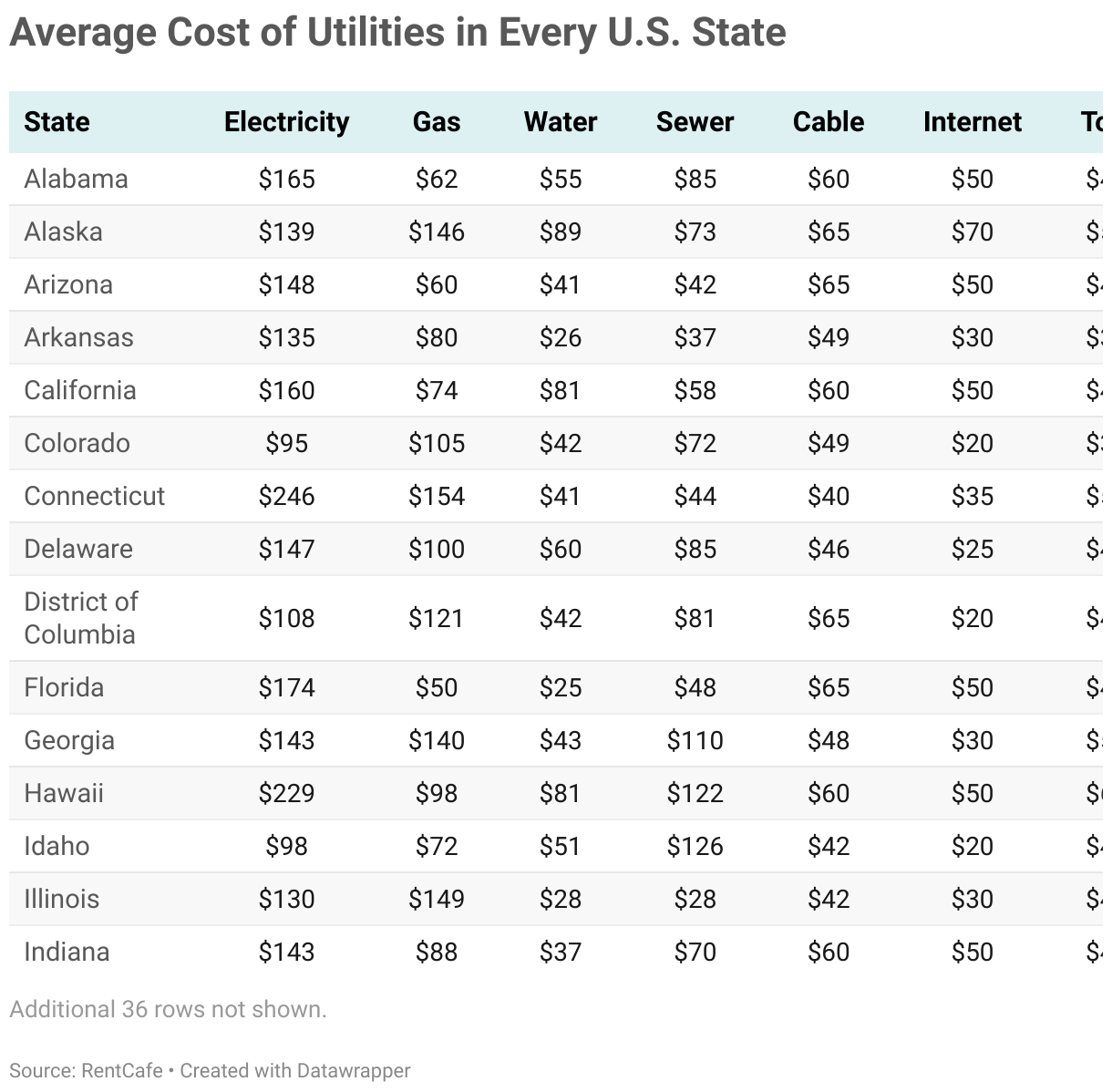
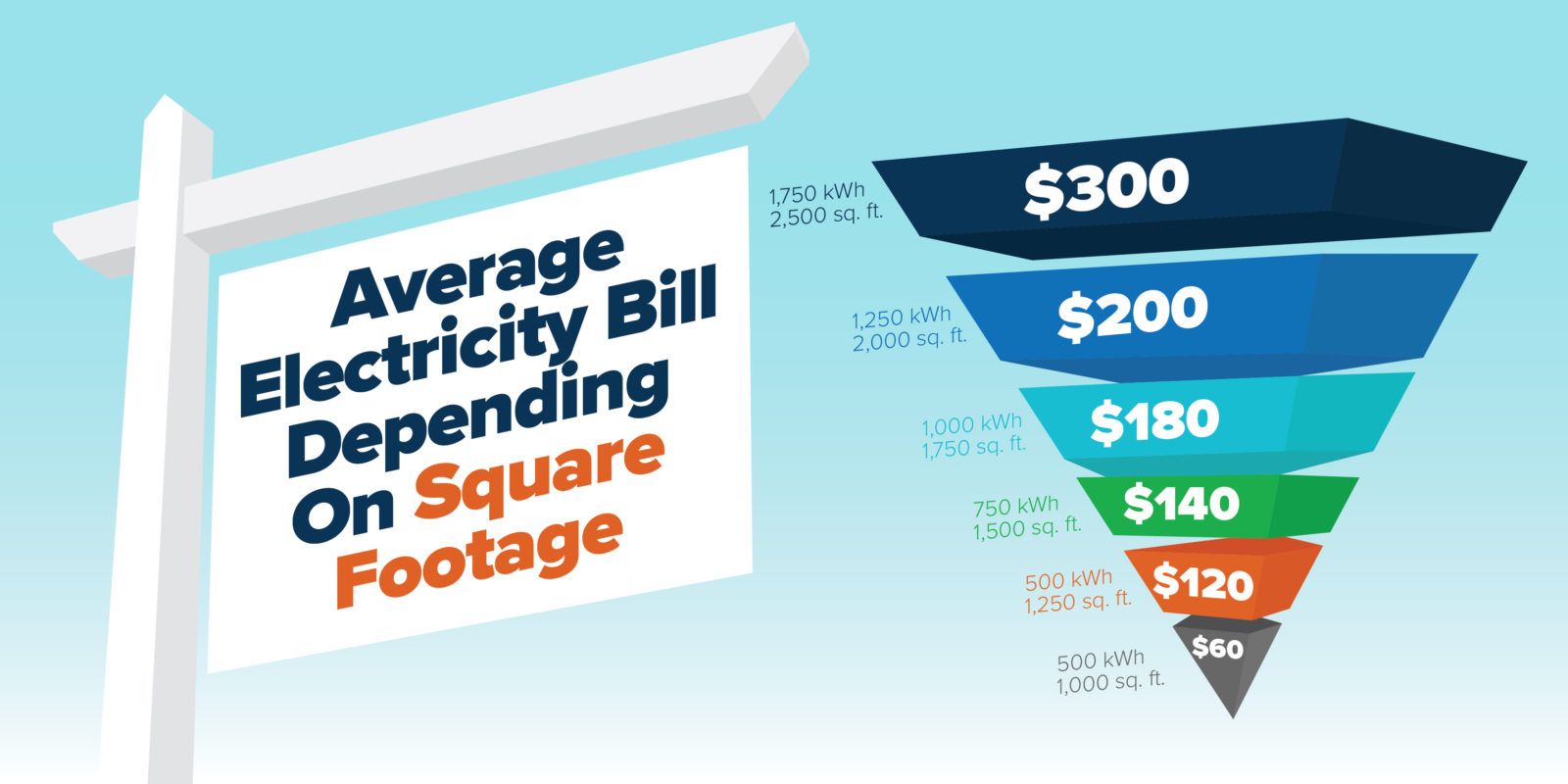
Average Electric Bill For 800 Sq Ft Apartment

Okay, so picture this: I'm standing in my tiny kitchen, staring at my electric bill. Again. It's like a recurring horror movie, except instead of a masked killer, it's just…kilowatt hours. I swear, every month I think, "This HAS to be lower," and every month, it’s just…not. My apartment is a cozy 800 square feet, which feels like a mansion compared to my college dorm, but apparently, a black hole for energy. Which got me thinking…am I alone in this electric bill agony? What's the actual average electric bill for an apartment my size?
Let's dive in, shall we? Because misery loves company (and also data!). The truth is, figuring out the average electricity cost for an 800 sq ft apartment isn't as straightforward as, say, ordering a pizza. (Which, by the way, might be cheaper than running my AC 24/7... just a thought). There are a ton of factors that impact your bill, turning the "average" into a surprisingly wide range.
Factors That Crank Up (or Tone Down) the Kilowatts
First and foremost: Location, Location, Location! I know, real estate cliché, but it applies to electricity, too. If you're chilling in sunny Arizona where the AC is basically a life support system, your bill will be vastly different than someone snuggled up in a well-insulated Seattle apartment. Utility companies also vary in price state-by-state. Some states offer cheaper rates, making the average electric bill lower.
Must Read
Next up: Your lifestyle. Are you a work-from-home guru who needs that computer humming all day? Or a minimalist who only turns on the lights when absolutely necessary? Do you binge-watch Netflix until 3 am? (No judgment, we've all been there.) Your usage habits make a huge difference.
Appliance efficiency is another major player. That ancient refrigerator you inherited from your great aunt Mildred? Yeah, it's probably sucking energy like a vampire. Newer, Energy Star appliances are designed to be much more efficient, potentially saving you a significant chunk of change. You might think, "Oh, replacing an appliance is expensive!". But consider it an investment! Those energy savings add up. Trust me.
Then there's insulation and windows. Drafty windows and poorly insulated walls are like leaving the door open in winter (or summer!), letting precious heat or cool air escape. This forces your heating and cooling system to work overtime, resulting in a higher bill. I always tell my friends, check your windows! That can make a big difference.
So, What’s the Magic Number? (Spoiler: There Isn’t One)
Okay, okay, I know you're itching for a number. So, let's talk ballpark figures. Generally speaking, for an 800 sq ft apartment, you might expect to pay anywhere from $80 to $200 per month. But seriously, that’s a HUGE range. And that's just a rough estimate. Don’t quote me on that! (Although, you’re reading this, so…)

To get a more accurate estimate, you can try a few things:
- Check your previous bills: This is the most accurate way to see your energy usage patterns. What did you pay last summer vs. last winter?
- Use online energy calculators: Many utility companies and websites offer calculators that can estimate your energy usage based on your location, appliance usage, and other factors.
- Ask your neighbors: Chat with your neighbors who live in similar apartments to get an idea of what they're paying. (But remember, everyone's usage is different!).
Tips to Trim Your Electric Bill
Alright, so maybe your estimated bill isn't exactly thrilling. But don’t despair! Here are a few simple things you can do to lower your energy consumption:
- Switch to LED bulbs: They use significantly less energy than traditional incandescent bulbs.
- Unplug electronics when not in use: Even when turned off, many electronics still draw power (this is called "phantom load").
- Use smart power strips: These power strips can automatically shut off power to devices when they're not in use.
- Adjust your thermostat: Even a few degrees can make a difference. Consider a programmable thermostat to automatically adjust the temperature when you're away or asleep.
- Seal drafts: Use weather stripping and caulk to seal any drafts around windows and doors.
- Wash clothes in cold water: Heating water accounts for a significant portion of your energy bill.
- Air dry your clothes: Skip the dryer whenever possible.
Ultimately, figuring out your average electric bill is a bit of a detective game. But by understanding the factors that influence your energy consumption and implementing some simple energy-saving strategies, you can definitely take control of your costs and stop feeling like you're funding the electric company's yacht. Good luck, and may your kilowatt hours be ever in your favor!