Average Electric Bill 2000 Square Foot House

Okay, so you’ve got a 2,000 square foot house, huh? Congratulations! That’s, like, officially adulting territory. But with great square footage comes great electricity bills. Let's talk about the elephant…or maybe the energy-guzzling refrigerator…in the room: the average electric bill.
Now, before we dive in, let’s get one thing straight: trying to pin down the exact average electric bill for a 2,000 sq ft house is like trying to herd cats…wearing roller skates…on a trampoline. There are so many factors at play.
First, picture this: are you living in sunny Arizona where the AC runs 24/7 trying to prevent you from spontaneously combusting? Or are you up in Maine, snuggled under a mountain of blankets, relying on the heating equivalent of a small sun? Big difference!
Must Read
Location, Location, Location (and Climate!)
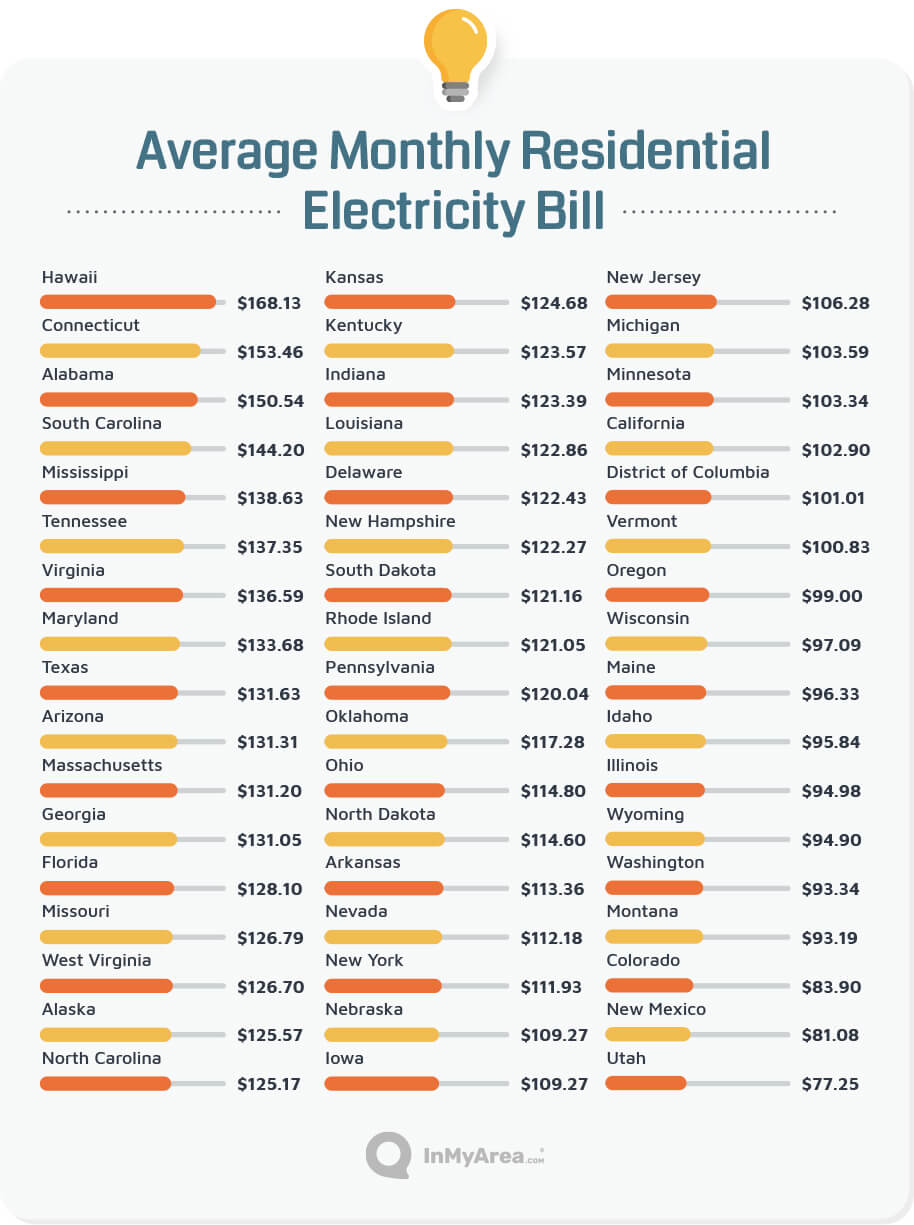
Your geographic location is a huge deal. States with scorching summers or frigid winters tend to have higher bills. Makes sense, right? Think about it: AC is basically a reverse furnace, and both those things suck down power like I suck down coffee on a Monday morning. So, a house in Florida will likely have a bigger summer electric bill than one in Seattle, where you can basically live off ambient coolness and the occasional light sprinkle.
The Appliance Avengers (and Their Energy Habits)
Next up: your appliances. Are you rocking a vintage fridge from the '70s that's secretly plotting world domination (and using enough energy to power a small city)? Or have you invested in energy-efficient models that sip electricity like a hummingbird sips nectar? Big difference there too!

And don't forget your washing machine, dryer (the bane of my existence!), dishwasher, and all those little gadgets that make life so much easier. Each one has its own energy footprint.
Pro Tip: Unplug chargers when you're not using them! They're energy vampires, sucking power even when your devices are fully charged. I swear, they're plotting to bankrupt us all, one kilowatt-hour at a time.
Insulation: The Silent Guardian (or Leaky Bandit)
Think of insulation as the thermal underwear of your house. Good insulation keeps the heat in during the winter and out during the summer. Bad insulation…well, that’s like wearing a fishnet to a blizzard. You're just throwing money (and energy) out the window (literally!).
So, What's the Magic Number? (Spoiler Alert: There Isn't One)
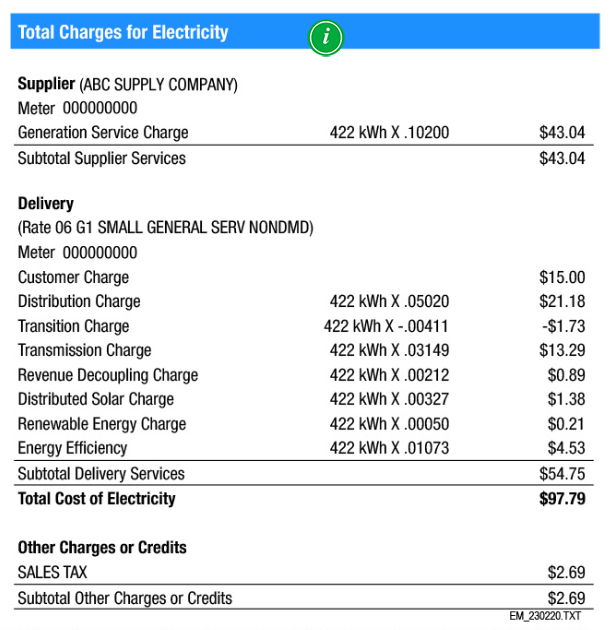
Alright, alright, I know what you're thinking: "Just tell me the number already!" Fine. Generally speaking, the average electric bill for a 2,000 square foot house in the US can range from around $200 to $400 per month. But remember, this is a very broad range. It could be lower, it could be higher. Don’t sue me if yours is $500.

Want a more precise estimate? Here's what to do:
- Check Your Past Bills: Your previous electric bills are the best indicator of your future electric bills. Duh, right? But seriously, analyze those statements!
- Use Online Calculators: There are tons of online energy calculators that take into account your location, appliances, and usage habits. They’re not perfect, but they'll give you a better estimate.
- Contact Your Utility Company: Your local utility company can provide insights into average usage in your area and even offer energy audits to identify potential savings.
Ways to Tame the Energy Beast (and Save Some Dough)
Okay, so maybe your electric bill is giving you heart palpitations. Don't despair! Here are a few ways to bring it down to a less terrifying level:
- Embrace Energy-Efficient Appliances: Look for the Energy Star label when buying new appliances. It's like a gold star for being energy-conscious!
- Switch to LED Bulbs: Incandescent bulbs are like mini furnaces. LEDs use a fraction of the energy and last way longer.
- Seal Those Drafts: Caulk and weatherstrip around windows and doors to prevent air leaks. It's like giving your house a warm hug.
- Adjust Your Thermostat: Even a few degrees can make a difference. During the summer, set it a little higher when you're away. In the winter, bundle up and lower it a bit.
- Consider Solar Panels: Okay, this is a bigger investment, but it can significantly reduce (or even eliminate) your electric bill in the long run. Plus, you'll feel like a superhero fighting for the planet!
Ultimately, understanding your energy consumption is key to controlling your electric bill. So, do your research, make some smart choices, and remember: every little bit helps. Now go forth and conquer that energy bill! You got this!