
Average Cost To Install Solar Panels On House
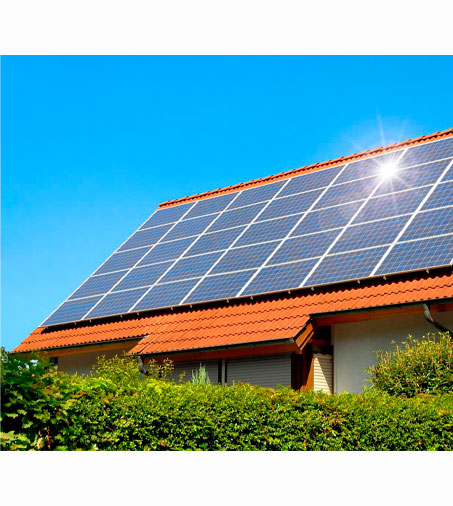
Ever scroll through Instagram and see those sleek homes with a sparkling array of solar panels, looking all eco-chic and energy-independent? It’s not just a trend; it's a genuine movement towards a more sustainable and, let’s be honest, pretty smart way to live. But then the big question usually pops up, dulling the sunshine a bit: "Okay, but what's the damage? What does it actually cost to put those bad boys on my roof?"
Let's get real about the numbers without making it feel like a finance lecture. Think of this as your friendly, no-pressure guide to navigating the fascinating world of solar panel installation costs. We're going to break it down, make it digestible, and maybe even throw in a few fun facts along the way.
The Big Picture: What's the Average Tab?
Alright, let’s cut to the chase. The "average" cost for a residential solar panel system in the U.S. typically hovers somewhere between $15,000 and $30,000 before incentives. That’s a pretty wide range, we know! To get a bit more granular, you might hear it discussed in terms of "cost per watt." This usually lands in the ballpark of $2.50 to $3.50 per watt. So, for a common 6-kilowatt (kW) system, you're looking at around $15,000 to $21,000 initially.
Must Read
But here’s the kicker: that’s just the starting line. Like buying a new car, the sticker price isn't always what you pay after rebates and tax credits.
What Makes the Sun Shine (or Not Shine) on Your Wallet?
Several key factors play a starring role in your final solar bill. Understanding these can help you tailor a system that fits both your energy needs and your budget.
- System Size: This is the big one. The more electricity you use, the larger (and more expensive) your system needs to be. A good first step? Grab your utility bill and see your average monthly consumption.
-
Panel Type: Not all panels are created equal!
- Monocrystalline panels are generally the most efficient (and sleekest-looking, if you ask us), often commanding a higher price.
- Polycrystalline panels are a bit less efficient but more budget-friendly.
- Thin-film panels exist too, but are less common for residential rooftops. Fun fact: The first practical silicon solar cell was developed in 1954 at Bell Labs!
- Installation Complexity: Is your roof a simple, flat expanse, or a maze of gables, chimneys, and skylights? The easier it is for installers to work, the lower the labor cost. Roof material (shingles vs. tile vs. metal) and pitch also play a role.
- Battery Storage: Want to truly go off-grid, or at least have power during outages (hello, peace of mind!)? Adding a solar battery, like a Tesla Powerwall or Enphase Encharge, adds a significant cost, often $10,000 to $20,000+, but offers incredible resilience and energy independence. It's like having your own personal energy fortress!
- Inverter Type: This crucial piece converts DC power from your panels into AC power for your home. String inverters are common, while micro-inverters (one per panel) are more expensive but can optimize individual panel performance, especially in shaded conditions.
The Silver Lining: Incentives and Savings!
Now for the really good news! Uncle Sam and many local governments are eager to see you go solar.
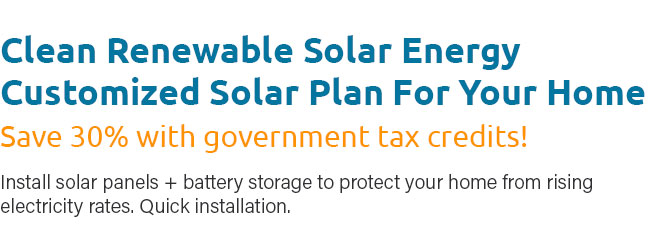
The biggest player here is the Federal Solar Investment Tax Credit (ITC). For systems installed through 2032, you can claim 30% of the cost of your solar system as a tax credit. Yes, that’s 30% back in your pocket! So, if your system costs $20,000, that’s a whopping $6,000 back. This is a dollar-for-dollar reduction in your tax liability, not just a deduction. It's a huge deal.
Beyond the federal credit, look into state and local incentives. Many states offer their own rebates, property tax exemptions, or SREC programs (Solar Renewable Energy Credits) where you can sell credits for the clean energy your system produces. A quick Google search for "solar incentives [your state]" can reveal a treasure trove of savings.
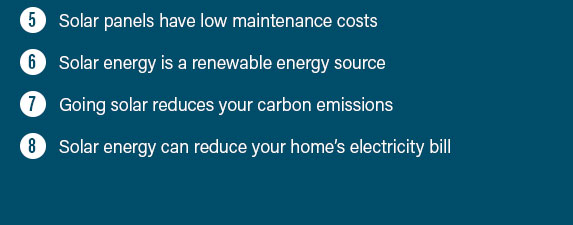
And let’s not forget the long-term savings! You’ll be generating your own electricity, significantly reducing or even eliminating your monthly utility bills. Over 20-25 years, these savings can be substantial, often eclipsing the initial investment. Plus, solar panels can increase your home's value – a win-win!
So, Is It Worth It?
Absolutely! While the upfront cost can feel like a big number, it's truly an investment in your home, your finances, and the planet. It’s like putting money into a very reliable, long-term savings account that also happens to power your lights and charge your phone.
To get the most accurate estimate for your specific home, the best practical tip is to get multiple quotes from reputable local installers. They’ll assess your roof, energy needs, and local incentives to give you a tailored plan. It’s like test-driving a few cars before you buy – smart, right?
A Little Reflection
In a world where energy costs seem to perpetually climb, going solar isn't just about reducing a bill; it's about gaining a little slice of independence. It's about looking up at your roof and knowing that the sun, in all its generous glory, is doing the heavy lifting for you. It's about feeling good, doing good, and enjoying a brighter, more sustainable everyday life. Who knew saving the planet could feel so empowering (and look so good)?
