Average Cost Of Utilities In A House Per Month

Okay, let's talk about something everyone loves to... well, endures: monthly utility bills. Those little envelopes of joy (said no one ever) that remind us that electricity, gas, water, and the internet fairy don't work for free.
The Great Utility Guessing Game
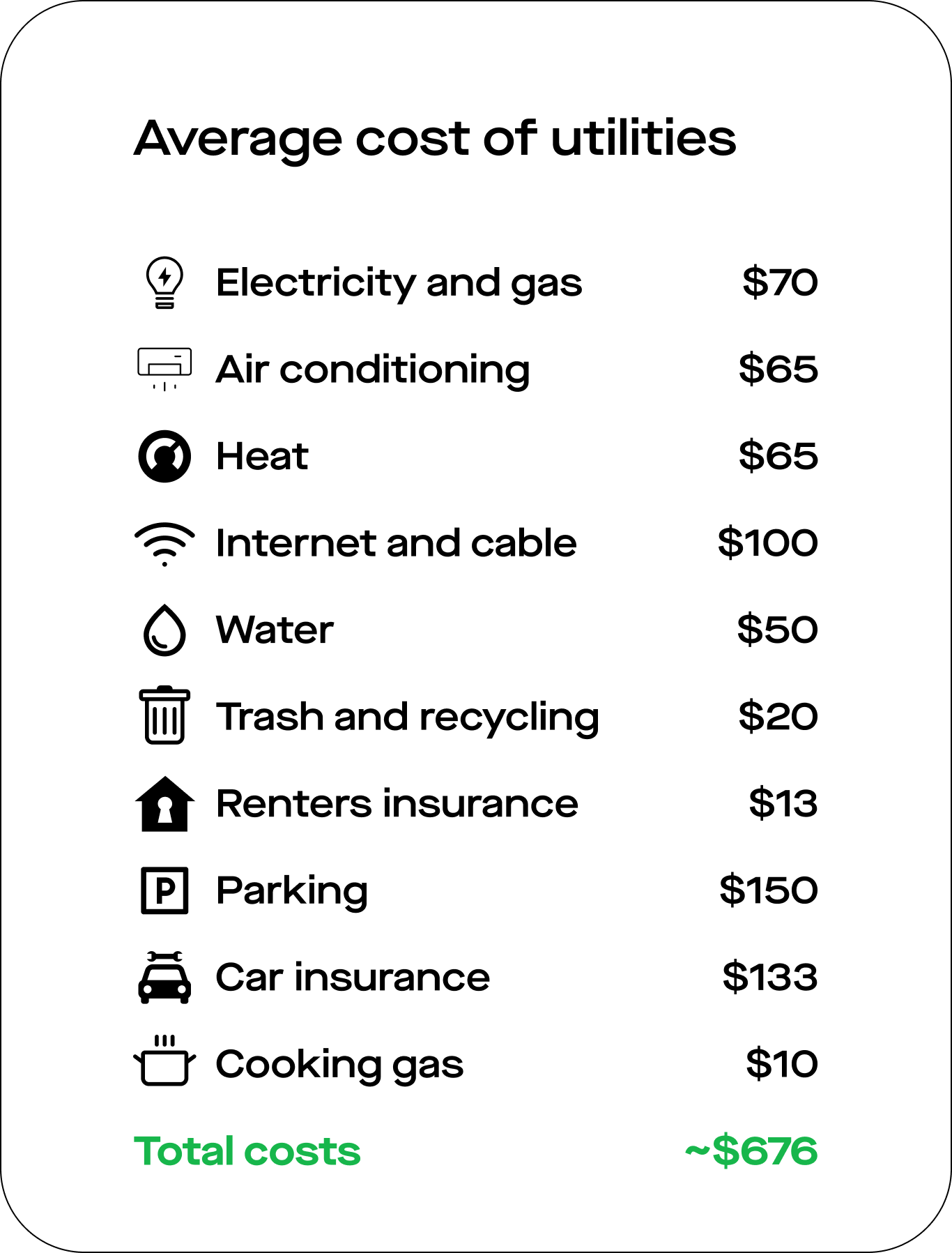
Estimating the average cost of utilities is like trying to predict the weather six months from now. You can look at historical data, use fancy algorithms, but ultimately, Mother Nature (or your teenagers leaving the lights on) will have the last laugh. Generally speaking, you're looking at a combined cost anywhere from $200 to $500 per month for an average-sized house, depending on where you live. That's a pretty wide range, isn't it? Imagine the possibilities! You could find a twenty dollar bill on the street for that amount!
Think of it this way: your house is like a giant, energy-sucking monster. And you're the brave knight, armed with a checkbook, trying to keep it fed. The hungrier the monster (i.e., the bigger your house, the older your appliances, the draftier your windows), the more it’s going to cost you.
Must Read
The Usual Suspects: Breaking Down the Bills
Let's meet the cast of characters that contribute to your monthly utility drama:
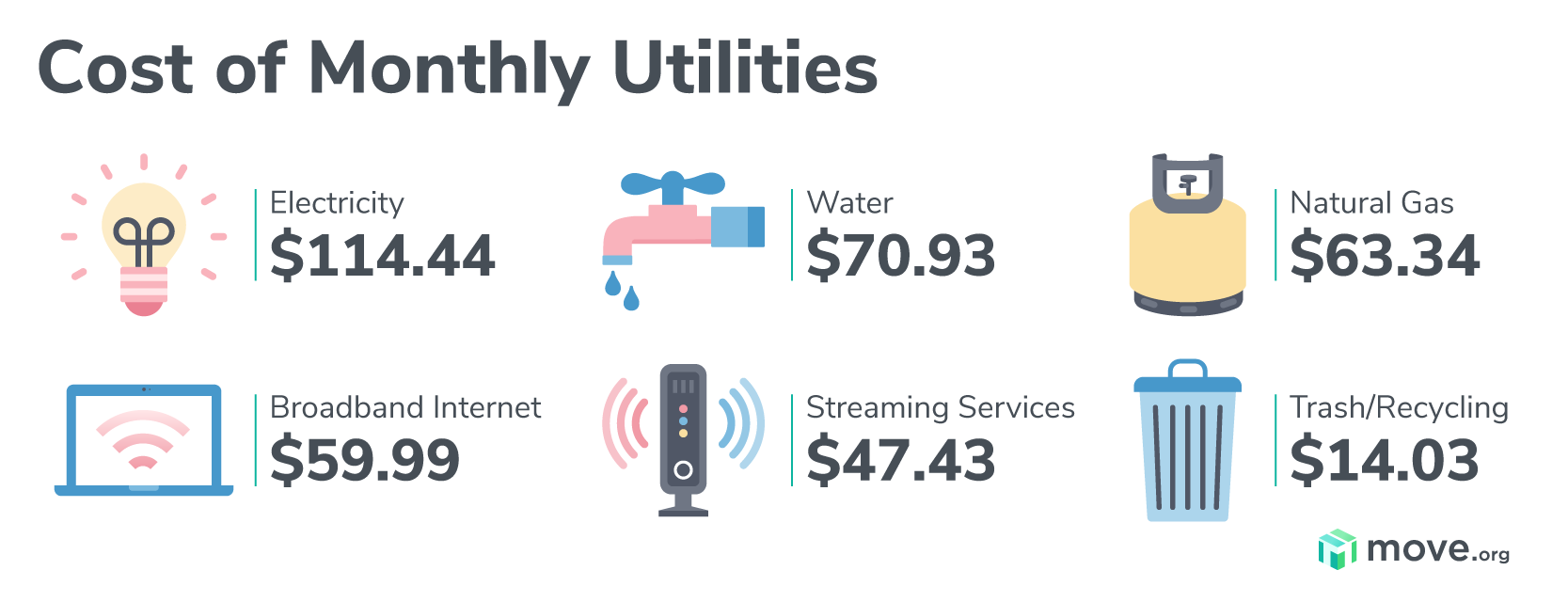
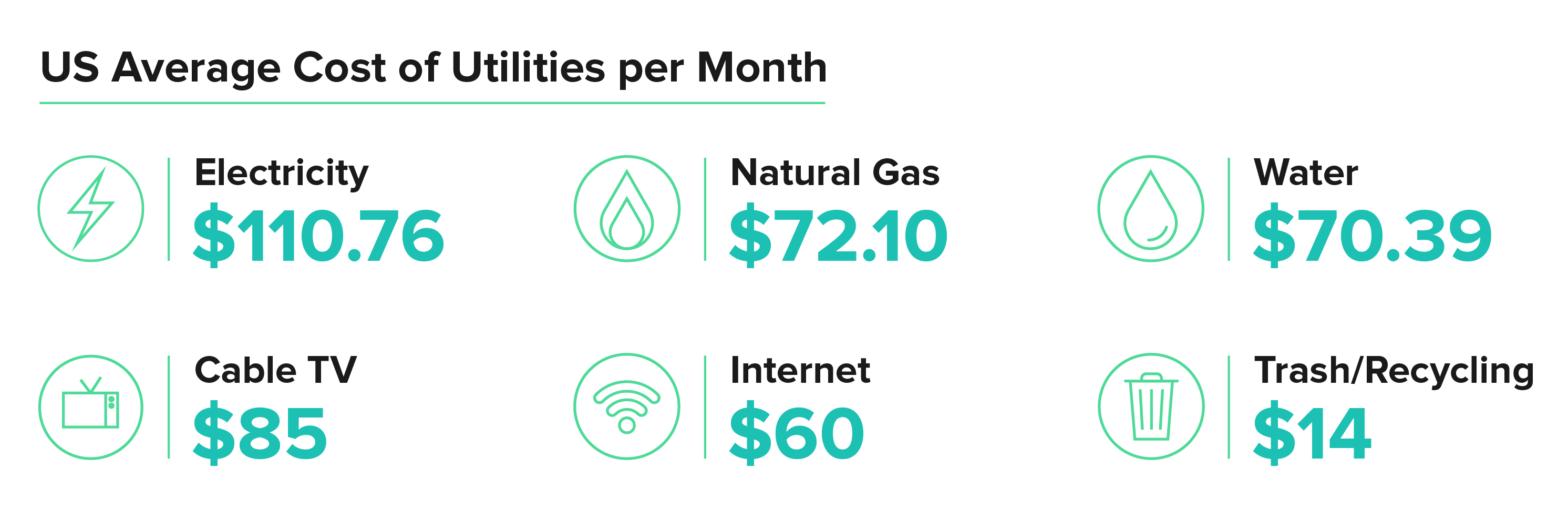
- Electricity: This is the big one. It powers your lights, your TV, your fridge (which is constantly plotting to overthrow you), and basically everything that makes modern life possible. Expect to pay somewhere between $100 to $200 on average, but this can skyrocket in the summer if you're running the AC 24/7.
- Gas: If you have gas heating, a gas stove, or a gas water heater, this bill can be a significant chunk of change, especially in colder months. Budget around $50 to $150. Think of it as the cost of staying warm and eating properly (unless you're a raw food vegan, in which case, congratulations on your commitment!).
- Water: This one's tricky because it depends on your usage habits. Long showers, excessive lawn watering, and leaky faucets can all send your water bill soaring. A reasonable estimate is $30 to $70. Remember, every drop counts – for both the environment and your wallet!
- Trash/Recycling: The unsung hero of the utility world! Usually, a flat fee of around $20 to $50. Someone's gotta take out the garbage, right?
- Internet: This is non-negotiable in the 21st century. From streaming cat videos to working from home, the internet is a necessity. Prices vary widely depending on your provider and plan, but expect to pay $50 to $100.
Location, Location, Location!
Just like in real estate, location plays a huge role in utility costs. If you live in a hot, humid climate, your electricity bill will likely be higher than someone living in a temperate region. Conversely, if you live in a cold climate, your gas bill will be higher. And if you live in a place with abundant sunshine, you might consider solar panels to offset your electricity costs. Think of it as a financial tan line - a bit expensive to get, but feels great to show off!
The Art of Utility Bill Negotiation (Sort Of)
While you can't exactly haggle with your electricity company, there are ways to lower your utility bills. Energy audits can help you identify areas where you're losing energy (like drafty windows or poorly insulated walls). Switching to energy-efficient appliances and light bulbs can also make a difference. And, of course, the simplest solution: turning off lights when you leave a room. Seriously, people! It's not rocket science!
Sometimes, calling your internet provider and threatening to switch to a competitor can also result in a lower monthly rate. It's worth a shot, right? The worst they can say is no (and then you switch!).
A Few Final Thoughts (and a Plea for Sanity)
Utility bills are a fact of life. They're not fun, but they're necessary. By understanding what contributes to your monthly costs and taking steps to conserve energy and water, you can keep your bills manageable and maybe even have a little extra money left over for something fun... like a pizza. Speaking of pizza, remember that running the oven at 450 degrees for an hour uses a lot of electricity. Maybe order delivery instead. For the planet!
And finally, remember that Benjamin Franklin himself said, "A penny saved is a penny earned." He probably wasn't thinking about utility bills, but the sentiment still applies.
So, go forth and conquer those utility bills! Be smart, be mindful, and may your monthly statements always be surprisingly low.