Average Cost Of Utilities For A Small Business
Hey there, fellow business adventurers! Ever wonder what it really costs to keep the lights on, the coffee brewing, and the Wi-Fi humming in your small business? I mean, beyond just the rent, right? It's easy to get caught up in all the exciting aspects of running your own show, but those monthly utility bills are a real thing, and understanding them is super important.
Think of it like this: your utilities are the unsung heroes of your business. They're the stagehands making sure the show goes on. But how much do these stagehands cost, exactly?
The Utility Bill Breakdown: A Sneak Peek
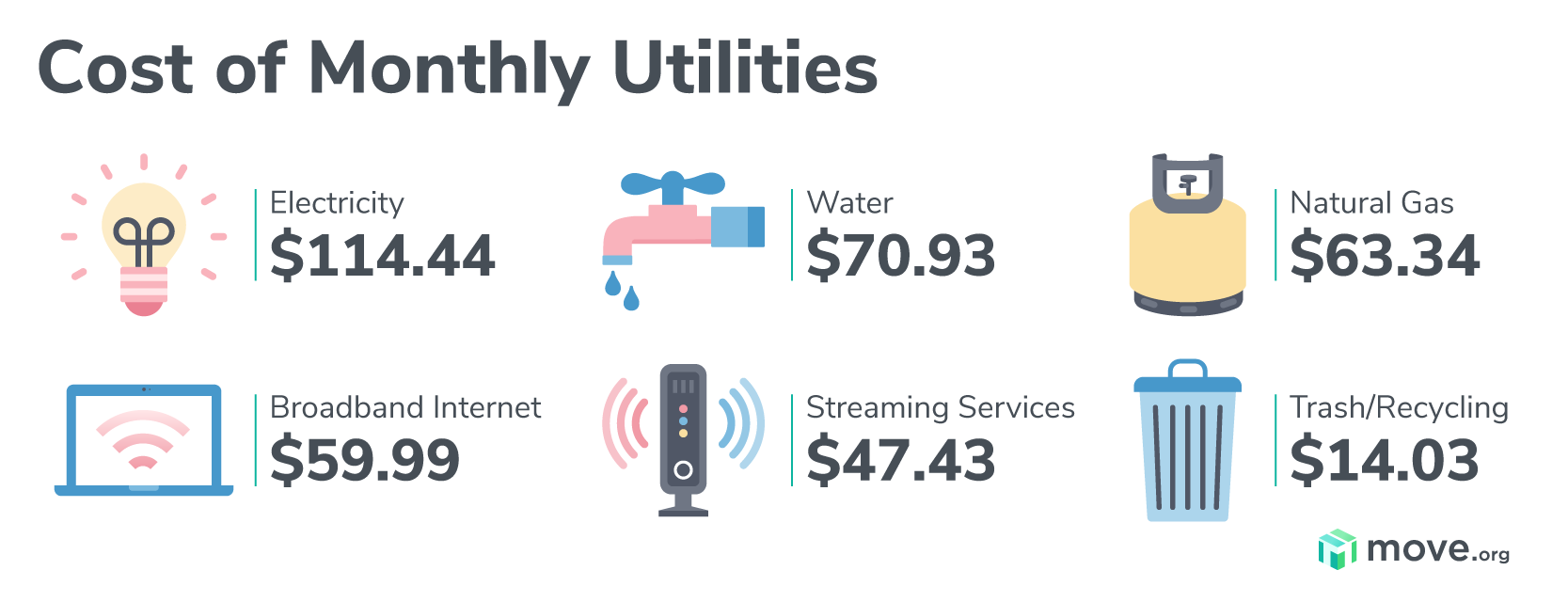
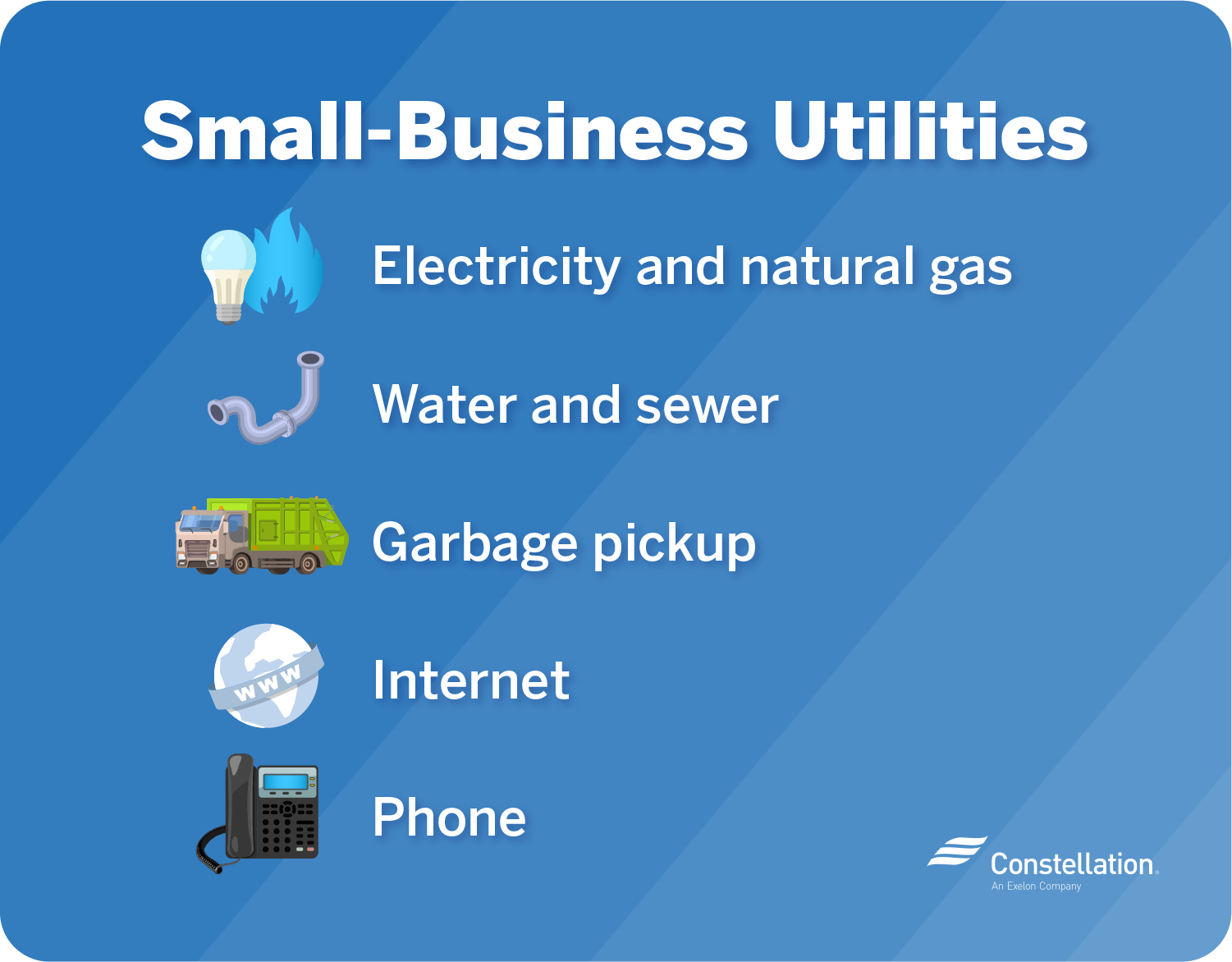
Okay, let's dive in. Talking about averages is tricky, because every business is different. A cozy bookstore sipping power versus a bustling bakery cranking ovens all day? Huge difference! But, we can get a general idea. When we talk about utilities, we're usually talking about these big players:
Must Read
- Electricity: Lights, computers, that all-important coffee machine… it adds up!
- Gas: Heating, cooking (if you’re in the food biz), maybe even some specialized equipment.
- Water & Sewer: Bathrooms, cleaning, and, again, crucial for any food-related business.
- Trash & Recycling: Gotta keep things tidy!
- Internet: The lifeblood of modern business. You can’t run a decent business without it.
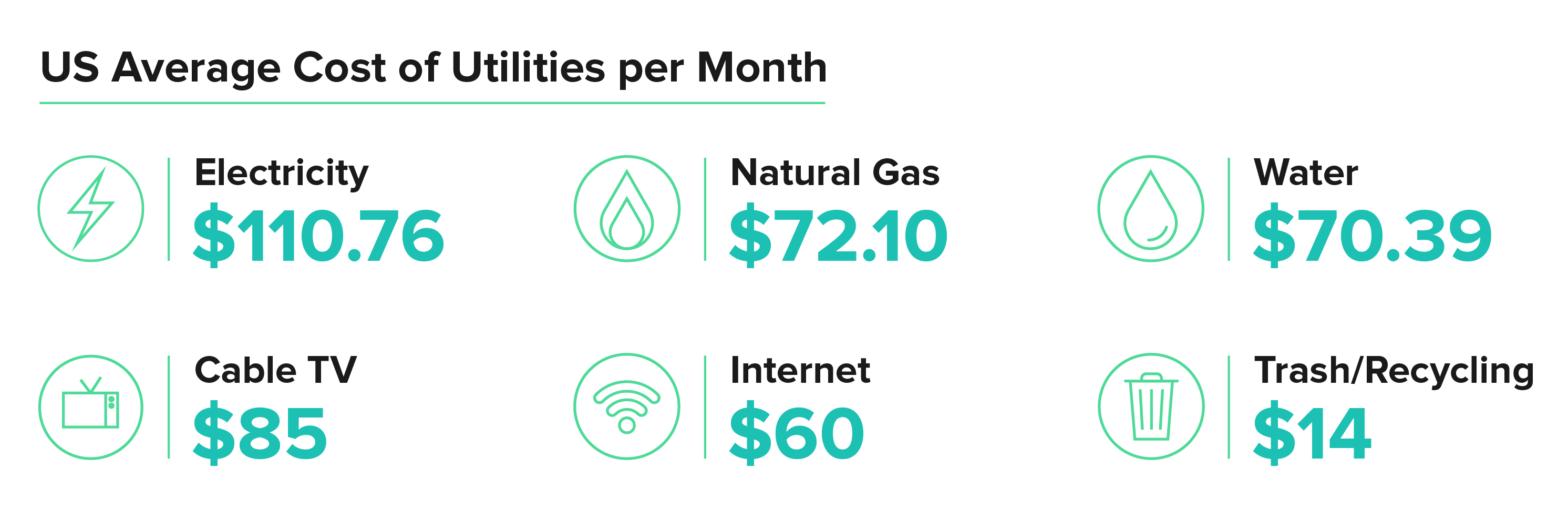
So, what’s the damage? On average, small businesses in the US might shell out anywhere from $500 to $3,000 per month for utilities. See that wide range? That's why understanding your specific situation is key.
Imagine it like choosing a vacation destination. Saying "Europe" is way too broad! You need to decide between a budget-friendly backpacking trip and a luxury resort experience. Utilities are similar – the more details you know, the better you can budget.

Factors That Crank Up (or Tone Down) the Costs
Alright, so what makes some businesses spend less than others? Here are a few big factors:
- Location, Location, Location: Utility rates vary WILDLY from state to state. Think California sunshine versus a frosty Maine winter – different energy needs, different prices.
- Business Type: As we mentioned, a data center is going to devour electricity compared to, say, a small accounting office.
- Size Matters: A sprawling warehouse will naturally have higher heating and cooling costs than a tiny boutique.
- Energy Efficiency: Are you rocking energy-efficient appliances and LED lighting? Or are you still using equipment that's seen better days?
- Your Habits: Do you remember to turn off the lights when you leave? Small habits add up to big savings!
Seriously, think about your energy consumption. Are you leaving computers on overnight? Is your thermostat set to "tropical" in the winter? These are the things that sneakily inflate your bills.
Why Bother Crunching the Numbers?
Okay, I get it. Tracking utility costs might not sound like the most exciting part of running a business. But here's why it's cool (and smart!):
- Budgeting Power: Knowing your average costs allows you to create a realistic budget and avoid nasty surprises.
- Spotting Inefficiencies: If your electricity bill suddenly spikes, you'll know something's up (maybe a faulty appliance or a leaky window).
- Negotiating Better Deals: Having historical data can help you negotiate better rates with utility providers. Knowledge is power!
- Boosting Your Bottom Line: Even small savings on utilities can add up over time, freeing up cash for other investments.
It's like knowing how many miles per gallon your car gets. You can plan your road trips better, avoid running out of gas, and maybe even decide to invest in a more fuel-efficient vehicle.
Tips and Tricks for Taming Those Utility Bills
Ready to take control of your utility costs? Here are a few quick wins:
- Conduct an Energy Audit: Many utility companies offer free or low-cost energy audits to help you identify areas for improvement.
- Invest in Energy-Efficient Equipment: It might cost more upfront, but the long-term savings are usually worth it.
- Seal Windows and Doors: Prevent drafts and keep your heating and cooling costs down.
- Switch to LED Lighting: LED bulbs use significantly less energy than traditional incandescent bulbs.
- Unplug Electronics: Many electronics continue to draw power even when they're turned off.
Think of it as decluttering your business finances. By getting rid of unnecessary energy waste, you're creating space for growth and profitability.
The Bottom Line: Be Utility Savvy!
So, the average cost of utilities for a small business is… well, it depends! But understanding the factors that influence your costs and taking steps to improve your energy efficiency can make a huge difference. It's about being proactive, informed, and making smart choices that benefit your bottom line (and the environment!). Now go forth and conquer those utility bills!