
Average Cost Of Electric Water Heater Per Month
Ever wondered where your money really goes each month? Like, besides that daily latte and the impulse online shopping? Let's dive into a slightly less glamorous, but totally relatable, culprit: your electric water heater!
We're talking about the silent workhorse that makes sure you can enjoy those hot showers and clean your dishes with ease. But how much does this everyday luxury actually cost you?
The Mystery of the Monthly Bill
Pinpointing the exact cost of running an electric water heater can feel like solving a riddle. So many factors play a part!
Must Read
Think of it like baking a cake. You need the right ingredients (usage habits), the right oven (heater efficiency), and the right recipe (electricity rates).
Usage Habits: Are You a Water Hog?
First, let’s talk about how much hot water you're actually using. Are you a serial long-shower taker? Do you run the dishwasher half-full?
These habits can dramatically influence your bill. Think about shorter showers. They're not just good for the planet; they’re good for your wallet!
Also, fixing those leaky faucets? It’s like patching a hole in your money bag! Even a slow drip adds up over time.
Heater Efficiency: Is Yours a Relic?
Next up: the water heater itself. Is it an energy-efficient model or an old clunker from the '80s?
Older models are notorious energy vampires. They guzzle electricity like it’s going out of style.
Look for the Energy Star label when shopping for a new one. It’s like getting a gold star for saving money and energy!
Electricity Rates: Location, Location, Location!
Finally, let's talk about electricity rates. This is where things get really interesting.
Electricity prices vary wildly depending on where you live. What costs 10 cents per kilowatt-hour in one state might cost 30 cents in another! That's a huge difference.
Check your electricity bill to find out your rate. It's usually listed somewhere in the fine print. Time to put on your detective hat!
Deciphering the Average Cost: The Numbers Game
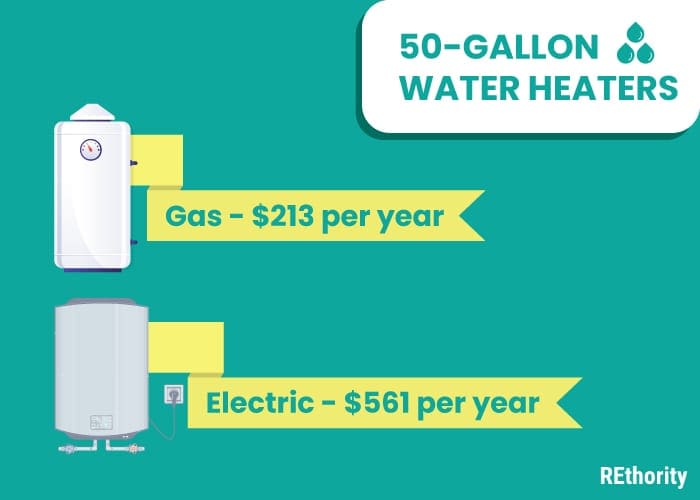
Okay, so what's the average cost? Drumroll, please! Generally, you're looking at somewhere between $20 to $80 per month.
But remember, that’s just a ballpark figure. Your actual cost could be higher or lower depending on the factors we just discussed.
Think of that range as a guideline. Now let's see how we can potentially lower that!
Insulation is Your Friend
Insulating your water heater is like wrapping it in a cozy blanket. It helps prevent heat loss, which means your heater doesn’t have to work as hard.
Insulation jackets are relatively cheap and easy to install. It's a small investment for potentially big savings.
You can even insulate the hot water pipes near the heater. Every little bit helps!
Lowering the Temperature: Cool It Down!
Did you know you can adjust the temperature setting on your water heater? Most are set way too high by default.
The Department of Energy recommends setting your water heater to 120°F (49°C). This is hot enough for most household needs, but not so hot that you're wasting energy.
Lowering the temperature not only saves you money but also reduces the risk of scalding. Win-win!
Time-of-Use Rates: Play the Game
Some utility companies offer time-of-use rates. This means you pay different rates for electricity depending on the time of day.

Electricity is often cheaper during off-peak hours, like late at night or early in the morning. This depends on your electricity company.
If you have time-of-use rates, try to run your dishwasher and washing machine during those cheaper times. It's like getting a discount on your hot water!
Consider a Tankless Water Heater: The Future is Now!
Tankless water heaters are a more modern alternative. They heat water on demand, rather than storing it in a tank.
This can save you money because you're not constantly heating water that you may not even use. It's like having a personal water heating ninja, only using energy when you need it.
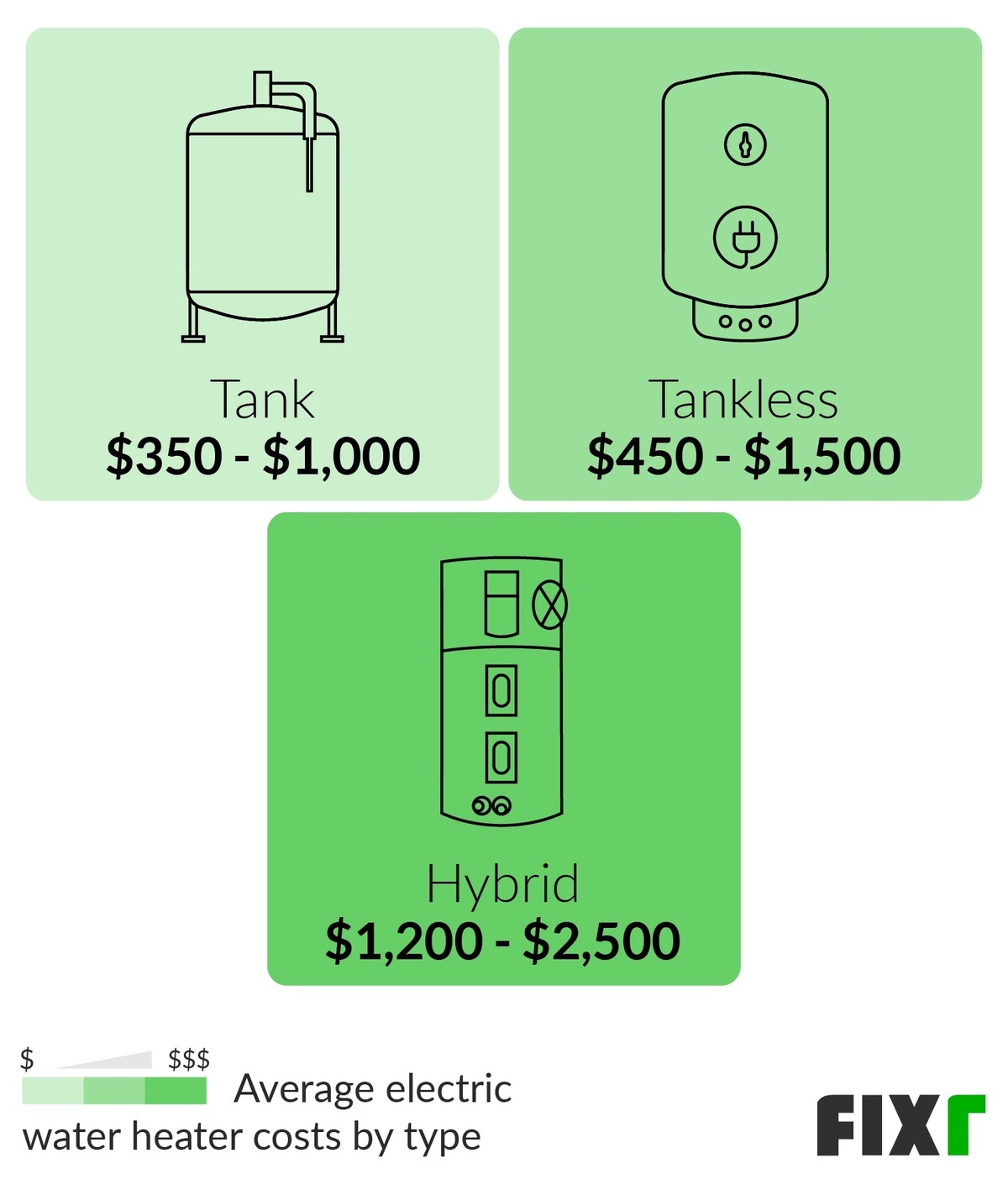
However, tankless water heaters are more expensive upfront. Do your research to see if it's the right fit for your home.
Take Action: Become a Hot Water Detective
So, how do you really know how much your electric water heater is costing you? Start by tracking your energy usage.
Check your electricity bill each month and compare it to previous months. Look for patterns and spikes in usage.
You can also use an energy monitor to track your electricity consumption in real-time. Knowledge is power!
Do a Home Energy Audit: Get the Pros Involved
Consider getting a home energy audit. A professional can assess your home's energy efficiency and identify areas where you can save money.
They can also inspect your water heater and make recommendations for improvements. Think of it as a check-up for your house!
Some utility companies offer free or discounted energy audits. It's worth checking out!

Embrace the Savings: Small Changes, Big Impact
Reducing your hot water usage doesn't have to be a drastic lifestyle change. Small changes can add up over time.
Take shorter showers. Fix those leaky faucets. Run your dishwasher and washing machine only when they're full.
Every little bit helps to reduce your bill and conserve energy. Plus, you'll feel good knowing you're doing your part for the environment!
The Bottom Line: Control Your Hot Water Destiny
Understanding the cost of your electric water heater is empowering. It allows you to make informed decisions about your energy consumption.
By taking simple steps to reduce your usage and improve efficiency, you can save money and reduce your carbon footprint. It's a win-win situation!
So, go forth and conquer your hot water bill! You've got this!
Don’t Forget the Sediment!
This is important: over time, sediment builds up in the bottom of your water heater tank. It acts like an insulator, preventing the heating element from efficiently warming the water.
Flushing your water heater periodically (usually once a year) removes this sediment and improves efficiency. It’s like giving your water heater a spring cleaning!
You can do it yourself, or hire a plumber if you're not comfortable. Either way, it's a worthwhile maintenance task.
The Smart Thermostat Connection
Did you know there are smart thermostats for water heaters? They allow you to control your water heater remotely and schedule it to turn on and off at certain times.

For example, you can set it to turn off while you're at work or on vacation. This can save you a significant amount of energy. A smart thermostat is like having a water-heating butler, anticipating your every need!
They often come with energy monitoring features too. Allowing you to track your usage and identify areas for improvement.
Consider a Heat Pump Water Heater: The Ultra-Efficient Option
Heat pump water heaters are the superheroes of water heating. They use electricity to move heat from one place to another, rather than generating heat directly.
This makes them much more efficient than traditional electric water heaters. They can save you a ton of money on your energy bill over time. However, they are also more expensive upfront.
If you're looking for the most energy-efficient option, a heat pump water heater is worth considering. It's the water heater of the future!
The Fine Print: Warranties and Lifespan
When buying a new water heater, pay attention to the warranty. A longer warranty can give you peace of mind in case something goes wrong.
Also, consider the expected lifespan of the water heater. A well-maintained water heater can last for 10-15 years or even longer. Treating it well is crucial!
Regular maintenance, such as flushing the tank, can extend the lifespan of your water heater and save you money in the long run.
Hot Water Recirculation Systems: Instant Gratification
Tired of waiting for the hot water to reach your faucet? A hot water recirculation system can solve that problem.
These systems circulate hot water through your pipes so that it's always available when you need it. This eliminates the water wasted while waiting for the water to heat up.
However, recirculation systems do use energy to run the pump. Weigh the benefits and costs before deciding if it's right for you.