Average Consumption Of Electricity Per Person

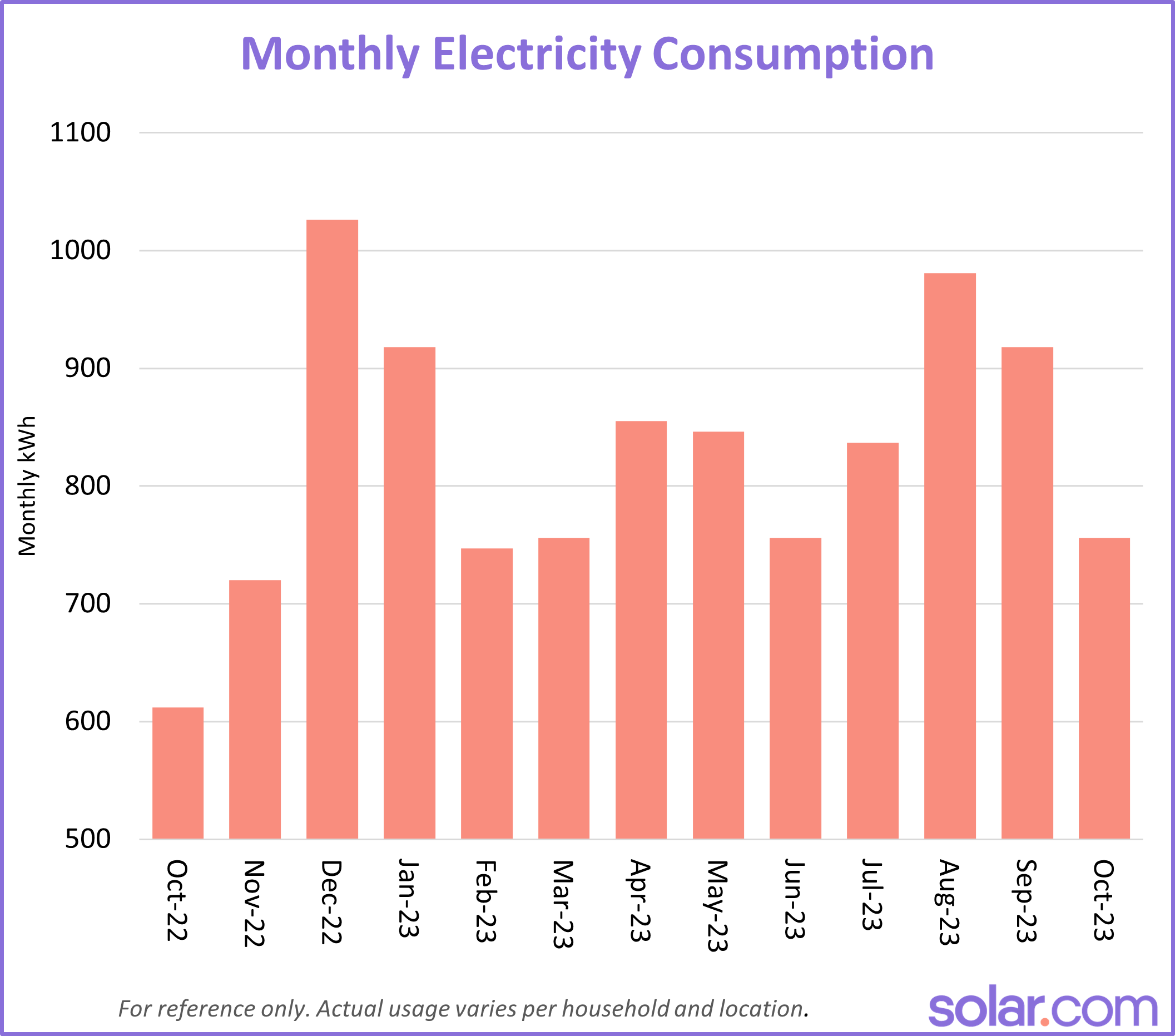
Hey! So, we were talking about electricity the other day, right? And it got me thinking... how much electricity does the average person actually use? Like, is it a shocking amount? (Pun totally intended, sorry not sorry.) Let's dive in!
First things first, “average” is a tricky word. Are we talking globally? Just the US? My next-door neighbor who runs a server farm in his basement? (Okay, maybe that last one’s an exaggeration… maybe.) It makes a huge difference!
Let's start with the big picture. Globally, the average electricity consumption per person is... well, it varies wildly. I'm seeing numbers around 3,000 kilowatt-hours (kWh) per year. What does that even mean? Think about it as roughly powering a moderately-sized fridge 24/7 for a year, plus a bunch of other stuff. Lights, TV, charging your phone… you know, the essentials!
Must Read
But hold on! That's just a global average. Places like Iceland, with their access to geothermal energy (lucky ducks!), use way more. Like, way, way more. We're talking over 50,000 kWh per person per year! That's probably enough to power a small village... or a very large Christmas light display.
Then you've got countries with less developed infrastructure, where the electricity consumption is drastically lower. Some countries are scraping by on less than 500 kWh per person annually. It really puts things into perspective, doesn't it?
Okay, Let's Talk About the US
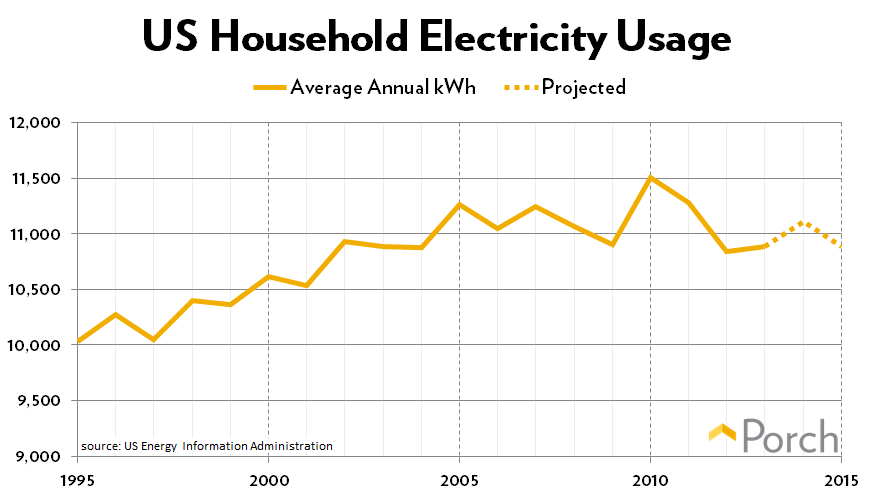
Alright, let’s zoom in on the good ol' US of A. Here, the average electricity consumption is significantly higher than the global average. We're talking around 12,000 kWh per person per year. Yikes! Is that just because we love our big screen TVs and air conditioning? (Probably a little bit, let's be honest.)
A big chunk of that goes to heating and cooling, depending on where you live, of course. Arizona versus Alaska? Two very different energy needs! And don't forget all the appliances! From refrigerators to washing machines to those fancy coffee makers that grind the beans for you... it all adds up.
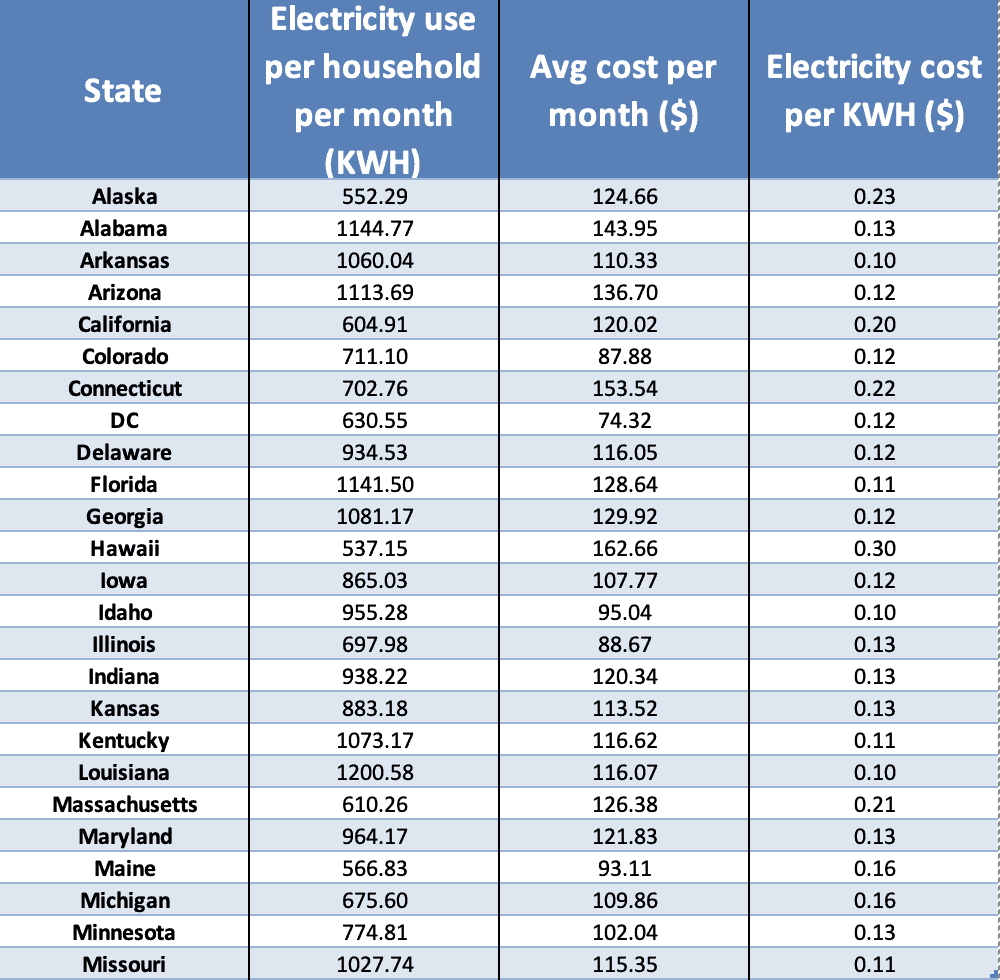
It’s interesting to note that even within the US, there are variations. Some states are more energy-efficient than others. Maybe they've got better incentives for renewable energy, or maybe they're just better at turning off the lights when they leave a room. (Something I'm constantly reminding my kids to do!)
So, What Does This Mean For You?
Okay, so we've thrown a bunch of numbers at you. But what can you actually do with this information? Well, for starters, it's a good starting point to understand your own energy consumption. Take a look at your electricity bill. How does your usage compare to the average in your area?
It's also a reminder that even small changes can make a difference. Switching to LED light bulbs, unplugging electronics when you're not using them, and being mindful of your thermostat settings... these little things add up over time. Plus, you’ll save money! Who doesn’t love saving a few bucks?

And hey, maybe this will inspire you to look into renewable energy options, like solar panels. Imagine generating your own electricity and sticking it to the man (or, you know, the electric company). It’s good for the environment and your wallet. Talk about a win-win!
Ultimately, understanding your energy consumption is a step towards being more conscious of your impact on the planet. And who knows, maybe you'll even start a friendly competition with your neighbors to see who can be the most energy-efficient. Just don’t go unplugging their fridge in the middle of the night! (I'm kidding… mostly.)
So, there you have it! A (hopefully) not-too-boring rundown of average electricity consumption. Now, if you'll excuse me, I'm going to go unplug my phone charger... just in case.