At What Temperature Should The Heat Be Turned On

Ah, the eternal question that sparks debate in households every autumn: at what temperature should we finally succumb and turn on the heat? It's more than just a matter of comfort; it's a fascinating intersection of personal preference, energy efficiency, and even a little bit of biology. Let's delve into this cozy conundrum and uncover the secrets behind finding your perfect indoor temperature.
The purpose of turning on the heat is, quite simply, to maintain a comfortable and safe indoor environment. But the benefits extend beyond just avoiding the shivers. Consistent warmth can help prevent health problems, especially for the elderly or those with compromised immune systems. A comfortably heated home allows for better sleep, improved concentration, and an overall sense of well-being. Think of it as investing in your productivity and health!
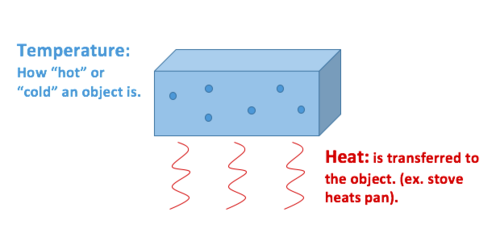
In education, understanding temperature regulation is key in various fields. In science classes, students learn about thermodynamics and heat transfer, exploring how different materials retain heat and how insulation works. Understanding these principles allows us to make informed decisions about home heating. In home economics or family and consumer sciences, students learn about budgeting and energy conservation, analyzing the costs associated with different heating habits. They might even calculate the savings from lowering the thermostat a degree or two! Even in history, exploring how different cultures historically heated their homes provides valuable context.
Must Read
In daily life, the "right" temperature is highly subjective. Some people thrive in cooler environments, finding it more conducive to productivity, while others prefer to bask in a cocoon of warmth. However, a commonly cited recommendation is to aim for a temperature between 68°F (20°C) and 72°F (22°C) when you’re home and awake. At night, or when you're away, lowering the thermostat to around 62°F (17°C) can save significant energy and money without sacrificing comfort.

But how do you find your perfect temperature? Experimentation is key! Start by setting your thermostat to a moderate temperature, say 68°F, and observe how you and other members of your household feel. Are you still reaching for a blanket? Consider bumping it up a degree or two. Are you feeling too warm and sluggish? Lower it a bit. Keep a simple log of the temperature settings and how you feel throughout the day. This will help you identify patterns and preferences. Consider using a programmable thermostat to automatically adjust the temperature based on your schedule. This simple tool can ensure comfort when you're home and savings when you're away.
Finally, remember to consider other factors. Are your windows properly sealed? Is your insulation adequate? Addressing these issues can make a big difference in how effectively your home retains heat, potentially allowing you to set the thermostat a bit lower. Don't be afraid to consult with an energy auditor to identify areas where your home could be more energy-efficient. The quest for the perfect temperature is an ongoing journey, but with a little curiosity and experimentation, you can create a comfortable and energy-efficient home that suits your needs.