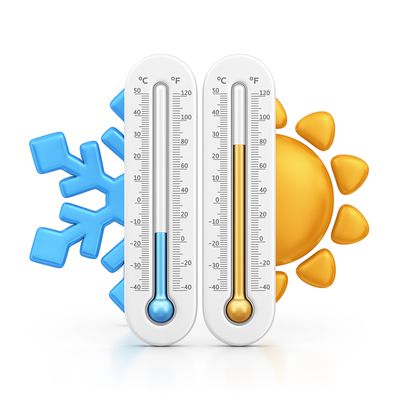
At What Temperature Outside Should I Turn My Heat Off
/GettyImages-533592578-57e681ce3df78c690fb17ca4.jpg)
Ah, spring. Or perhaps it's teetering on the edge of summer. Either way, that delightful dance between sunshine and a slight breeze is finally here. And with it comes the age-old question, whispered in hushed tones across neighborhood cookouts and brunch tables: "At what temperature outside should I finally turn off the heat?"
It's a valid concern! No one wants to be that person blasting the AC while their neighbors are still sporting parkas indoors. Let’s dive into the sweet spot, exploring comfort, energy efficiency, and a touch of common sense.
The Goldilocks Zone: Finding Your Perfect Temperature
There’s no magic number that applies to everyone. Factors like your personal tolerance to cold, the insulation in your home, and even the age of your heating system all play a role. However, a good starting point is when the daytime temperature consistently reaches 65-70°F (18-21°C).
Must Read
Think of it like this: 65-70 degrees is the sartorial equivalent of a light jacket. Comfortable, versatile, and unlikely to leave you shivering or sweating. If you're consistently reaching for that jacket as you leave the house, your heating system probably agrees it's time for a break.
Pro Tip: Monitor the weather forecast for at least a week. A sudden cold snap after you've joyfully declared "heat's off!" can be…unpleasant, to say the least. Nobody wants to channel their inner Jack Torrance from The Shining just because they jumped the gun on seasonal transitions. "All heat and no warmth makes Jack a cold boy."
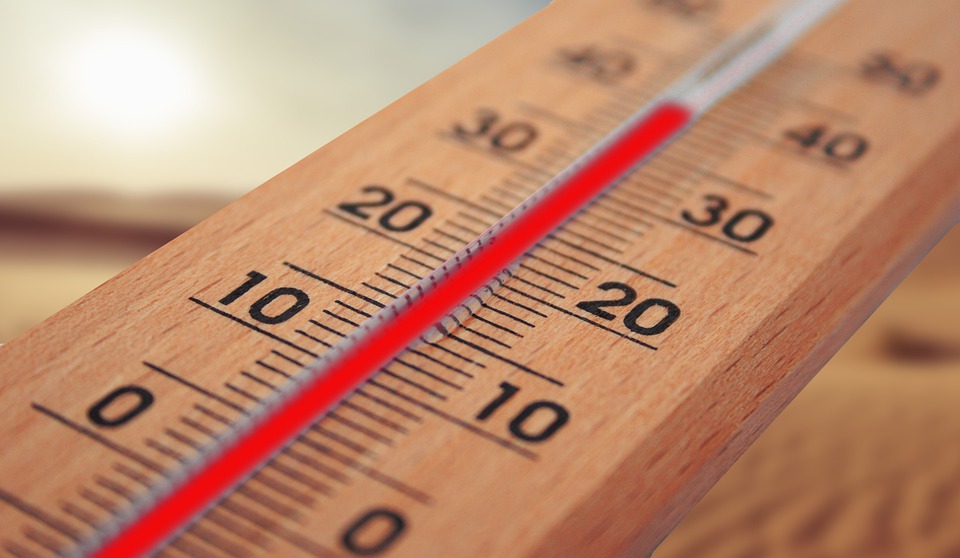
Beyond the Thermostat: Considerations for Smart Living
Turning off the heat isn't just about saving money (although that's a major perk!). It's also about creating a healthier and more comfortable indoor environment.
* Air Circulation is Key: Once the heat is off, open those windows! Let fresh air circulate throughout your home. Stale, heated air can breed dust mites and other allergens. Think of it as a spring cleaning for your lungs. * Humidity Check: Depending on your climate, turning off the heat can affect indoor humidity levels. Invest in a simple hygrometer to monitor the humidity in your home. Aim for a range of 30-50%. Too dry? Consider a humidifier. Too humid? A dehumidifier can help. * Programmable Thermostats are Your Friend: If you’re not quite ready to commit to a complete heat shutdown, consider setting your thermostat to a lower temperature overnight. This can save energy without sacrificing comfort entirely. It's like hitting the snooze button on your energy bill.Cultural Cues: When Does Society Say "Enough"?
While there’s no official decree, different cultures have different thresholds for when to ditch the heat. In some Scandinavian countries, homes are built to retain heat incredibly well, so the heating systems often get a break much earlier in the season. Conversely, in regions with older, draftier housing stock, folks might cling to the warmth a little longer.
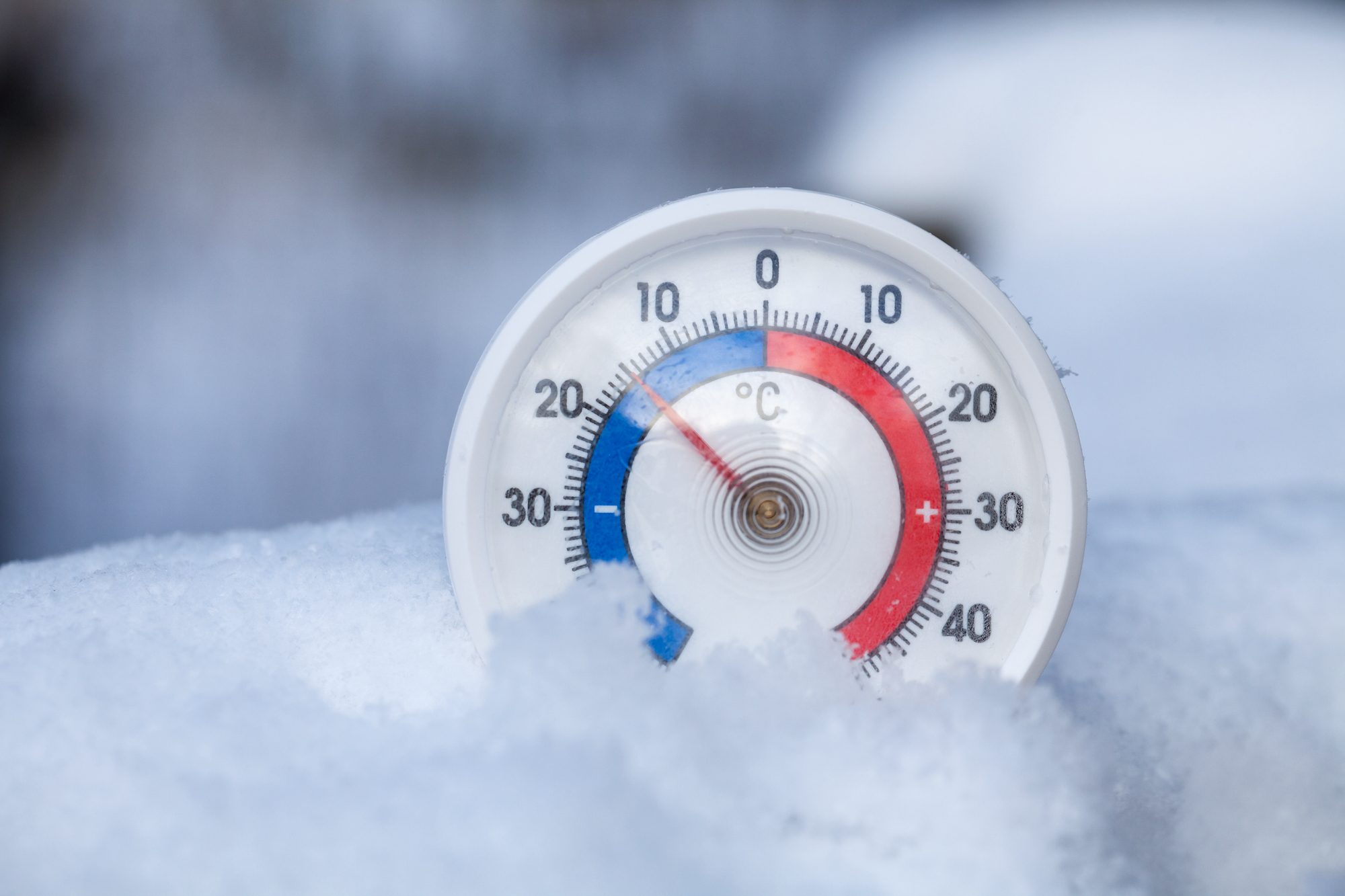
Beyond location, consider social cues. Are your neighbors starting to shed their winter layers? Is the local coffee shop swapping out peppermint mochas for iced lattes? These are all subtle signs that the weather is warming up and it might be time to adjust your thermostat accordingly.
The "Just in Case" Strategy
Even after you've officially turned off the heat, don't be too hasty in completely shutting down the system. Leave it on standby, just in case of a sudden temperature drop. Think of it as your meteorological safety net.

Fun Fact: Did you know that the average temperature inside a beehive in winter is around 95 degrees Fahrenheit? Bees huddle together to stay warm, a remarkable example of collective climate control!
One final reminder: don't forget to turn off the pilot light in older furnaces if you won't be using the heating system for an extended period. This prevents wasted energy and potential safety hazards.
Turning off the heat isn't just a practical decision; it's a symbolic one. It signifies a shift in seasons, a promise of warmer days, and a chance to reconnect with the natural world. So, take a deep breath, open those windows, and embrace the change. And remember, a little bit of common sense goes a long way in achieving the perfect indoor temperature.