At What Temperature Do You Turn On The Heater
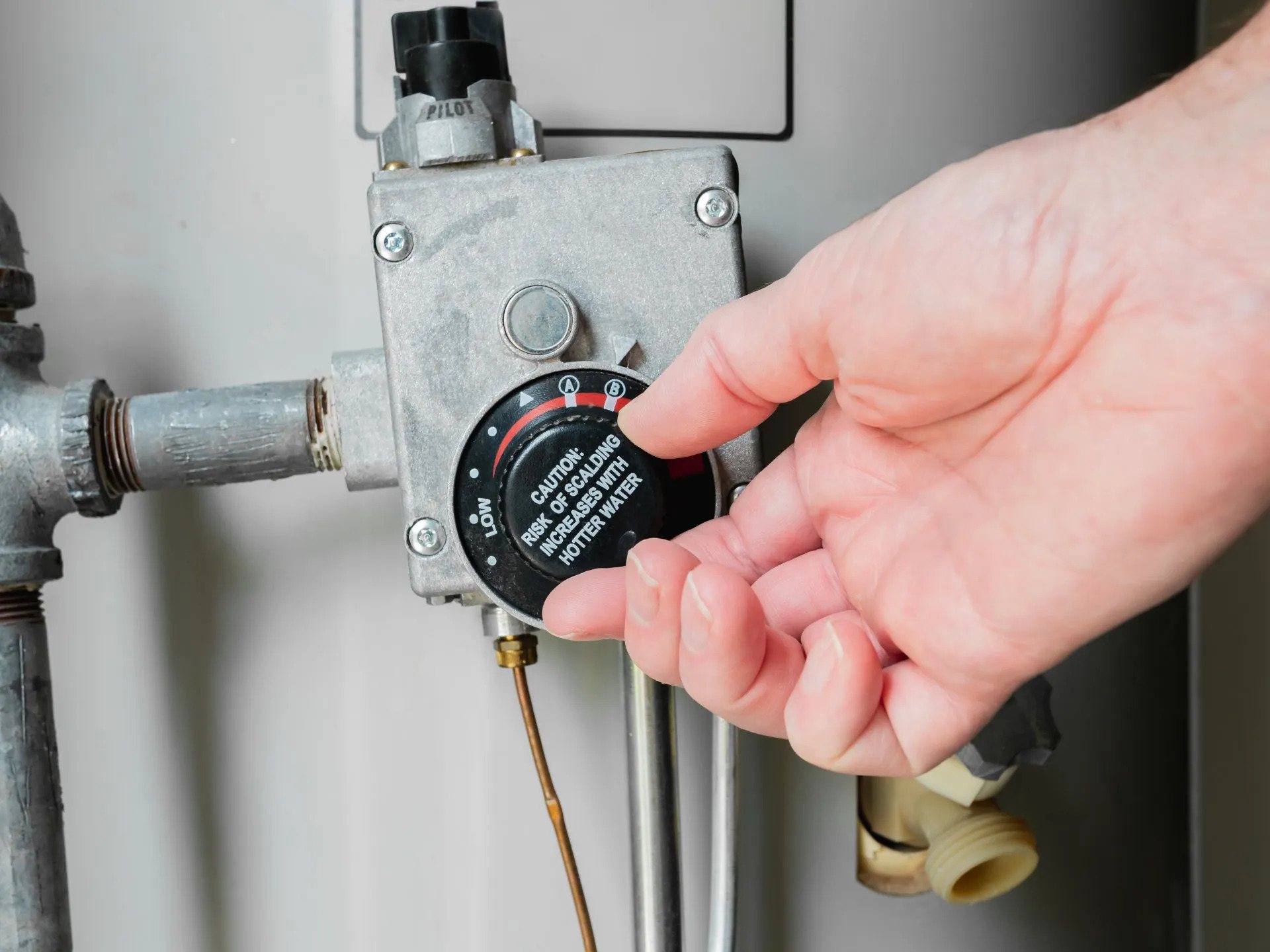
Ah, the age-old question that sparks debates fiercer than a winter storm: At what temperature do you finally give in and turn on the heater? For some, it's a matter of personal pride, a badge of honor worn by those who can withstand arctic temperatures indoors. For others, comfort reigns supreme, and the thermostat is their loyal subject. But no matter which camp you belong to, the decision to activate your home's warming system is a pivotal moment each fall, signaling a shift in seasons and a renewed appreciation for cozy socks.
The purpose of a home heating system is beautifully simple: to maintain a comfortable and safe indoor environment. Beyond the obvious benefit of not freezing solid, a well-regulated temperature can significantly improve your health and well-being. It helps prevent illnesses like colds and the flu, as a consistently warm environment keeps your immune system functioning optimally. Moreover, maintaining a stable temperature can improve sleep quality. Tossing and turning because you're shivering all night isn't conducive to a good night’s rest! And let's not forget the impact on our homes themselves. Extreme temperature fluctuations can damage furniture, plumbing, and even the structure of the building.
We see central heating systems everywhere – in homes, apartments, offices, and even some greenhouses. They come in various forms, from forced air furnaces to radiant heating systems that warm floors and walls. Then there are the space heaters, the trusty portable companions for drafty rooms and individuals who run perpetually cold. The point is, there’s a heating solution for nearly every need and situation. From the smart thermostat that learns your schedule and adjusts the temperature automatically to the classic dial that demands your constant attention, the choices can be overwhelming.
Must Read
So, how do you enjoy your heating system more effectively and, perhaps more importantly, delay that inevitable "turn-on" moment? Here are a few practical tips:
- Embrace Layering: Clothes, blankets, everything! Multiple thin layers trap heat far better than a single bulky item. Think thermal underwear as your secret weapon against the cold.
- Seal the Deal: Check for drafts around windows and doors. Use weather stripping or caulk to seal any gaps and prevent heat from escaping. A simple draft snake under the door can make a huge difference.
- Harness the Sun: Open curtains and blinds during the day to let the sun's natural warmth into your home. Close them at night to insulate against the cold.
- Regular Maintenance: Ensure your heating system is working efficiently by scheduling regular maintenance checks. A clean filter can significantly improve performance and save you money.
- Think Before You Crank: Consider your activity level. Are you lounging on the couch watching TV or engaged in a vigorous cleaning spree? Adjust the thermostat accordingly. Every degree counts!
Ultimately, the "perfect" temperature to turn on the heater is a subjective one. It depends on your personal preferences, your tolerance for cold, and even your budget. But by understanding the benefits of a comfortable indoor environment and employing a few smart strategies, you can make the most of your heating system and enjoy a cozy, warm winter without breaking the bank. So, whether you’re a freeze-fighter or a comfort connoisseur, happy heating!