
Argon Flow Rate For Tig Welding
Hey there, future welding wizards and curious creators! Have you ever seen a piece of TIG welding – those shimmering, perfectly stacked dimes of metal, looking almost too beautiful to be real? It's like the haute couture of the metal world, elegant and strong. But what’s the secret sauce behind that stunning artistry? What allows welders to lay down beads that look like a robot crafted them, but with a human touch?
Well, buckle up, because we're about to dive into one of the unsung heroes of the TIG process: the Argon Flow Rate. And trust me, understanding this isn't just for pros; it's a little nugget of knowledge that can make your welding life (or just your appreciation for craftsmanship) a whole lot more fun!
The Mighty Argon: Your Weld's Best Friend
First things first, let's talk about Argon. Imagine you're building a sandcastle on a breezy beach. If you don't protect it, the wind blows sand everywhere, right? Now, imagine your molten weld puddle is that sandcastle, and the atmosphere around it is a chaotic, oxygen-rich wind. Oxygen, nitrogen, and other atmospheric nasties are the absolute enemies of a clean, strong weld.
Must Read
Enter Argon! This inert gas is like your weld's personal bodyguard. It forms a protective, invisible bubble around the molten metal, shielding it from those unwanted atmospheric contaminants. Without it, your welds would look like Swiss cheese – full of porosity, brittle, and just plain ugly. With it, you get a clean, beautiful, and robust bond. It's truly a game-changer, and essential for TIG welding.
Flow Rate: Not Too Much, Not Too Little – Just Right!
So, we know Argon is important. But it’s not just about having it; it’s about having the right amount. This is where the Argon Flow Rate comes into play. Think of it like watering a delicate plant. You don't want to drown it, but you definitely don't want to starve it of water either. You need that perfect, consistent stream.
The flow rate dictates how much argon gas is flowing out of your torch nozzle, measured typically in CFH (Cubic Feet per Hour) or L/min (Liters per Minute). It's a precise dance, and getting it wrong can turn a potentially perfect weld into a frustrating mess.
The Goldilocks Zone: Why "Just Right" Matters
Let's explore the extremes, shall we? Because understanding what goes wrong helps us appreciate when things go right!
Too Little Argon Flow: A Recipe for Disaster
If your argon flow is too low, it's like having a bodyguard who takes a coffee break every five minutes. The protective bubble around your weld puddle isn't strong enough, allowing ambient air to sneak in. What happens then? You get contamination. Your weld will be dark, sooty, porous, and weak. It won't look good, and more importantly, it won't hold up. Talk about a buzzkill!

Too Much Argon Flow: Wasting Gas and Causing Trouble
On the flip side, you might think, "More is better, right?" Not always! If your argon flow is too high, several not-so-great things can happen. First, you're just wasting expensive gas. Your wallet won't thank you for that. Second, and more importantly for your weld, excessive flow can create turbulence around the weld puddle. This turbulence can actually pull ambient air into your shielding gas, leading to – you guessed it – more contamination and porosity! It's like trying to protect your sandcastle with a hurricane fan instead of a gentle shield.
The sweet spot, that Goldilocks zone, is where the argon flows out smoothly, consistently, and without turbulence, forming a perfect, invisible shield. This is where the magic happens!
Finding Your Flow: Practical (and Fun!) Tips
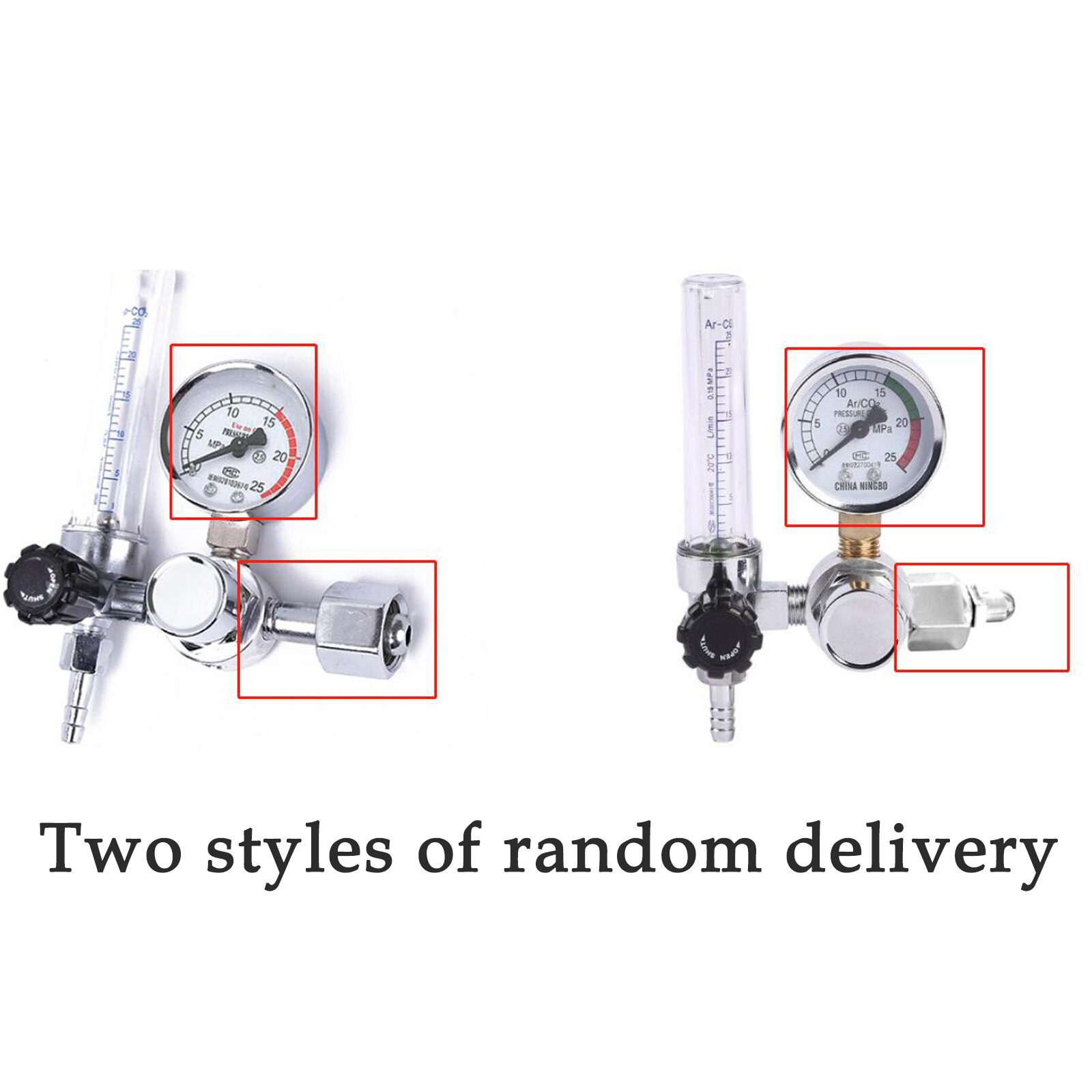
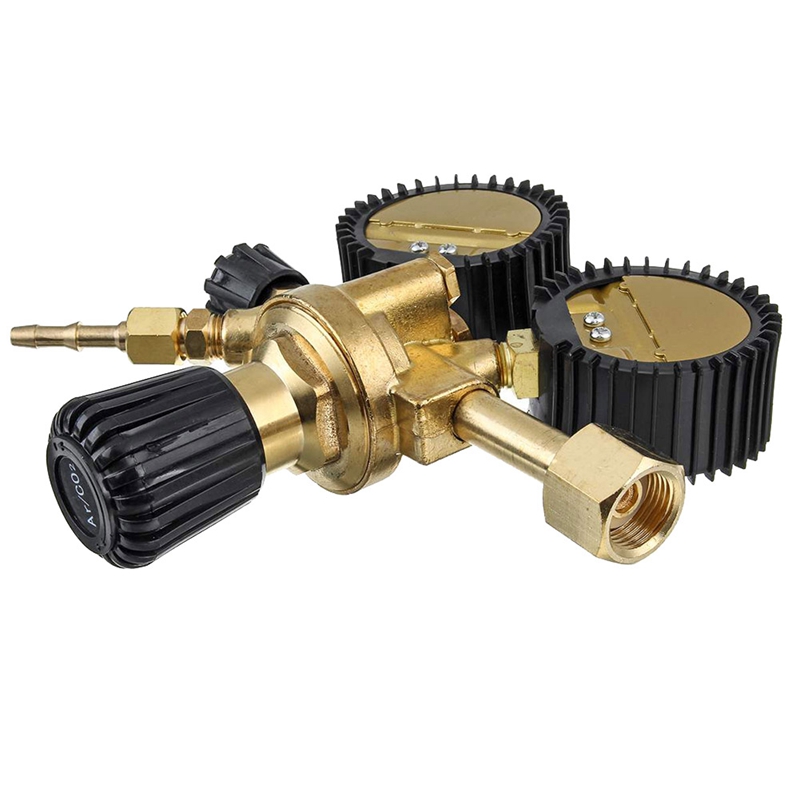
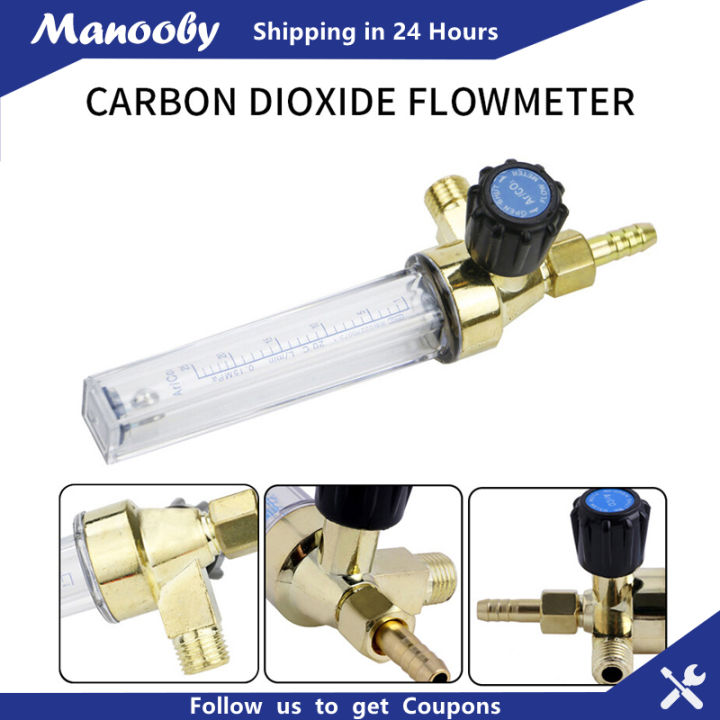
So, how do you find this elusive perfect flow? You'll typically set it on your gas regulator, which has a handy little flow meter. As for the actual number, it varies. Factors like your torch's nozzle (or "cup") size, the type of joint you're welding, the material thickness, and even drafts in your workshop can play a role. A good starting point is often around 15-20 CFH (7-10 L/min) for general applications, but it's not a one-size-fits-all.
The key here is experimentation and observation. Listen to your weld. Look at the puddle. Does it look clean and shiny? Is the finished bead bright and free of discoloration? These are clues! Don't be afraid to adjust it slightly and see the difference. You'll develop an intuition for it, and that's incredibly satisfying.
Why This Makes Life More Fun!
You might be thinking, "This is just about gas, how is it fun?" Ah, but that's where the perspective shifts! Mastering the argon flow rate isn't just about a technical setting; it's about control. It's about understanding the subtle nuances that separate a decent weld from a truly beautiful, strong, and lasting one. It’s about paying attention to detail, learning from observation, and achieving mastery.
There's an immense sense of pride and accomplishment when you lay down a weld that looks flawless, knowing you've precisely controlled every element – including that invisible shield of argon. It's a tangible manifestation of your skill and dedication. And isn't that what life's all about? Finding joy in mastering the small details, creating something with your own hands, and feeling that rush of "I made that!"
Your Next Adventure Awaits!
So, whether you're a seasoned welder looking to refine your craft, or a curious soul just dipping your toes into the world of metal, remember the humble argon flow rate. It’s a testament to how even the smallest, often-overlooked details can have a profound impact on the final outcome. It teaches us patience, precision, and the sheer joy of creating something beautiful and strong.
Go forth, explore, experiment, and discover the amazing power of getting things "just right." Who knows what incredible creations await you when you harness the power of Argon? Your next masterpiece (or just your next fantastic learning experience) is just a flow rate adjustment away! Now, isn't that inspiring?