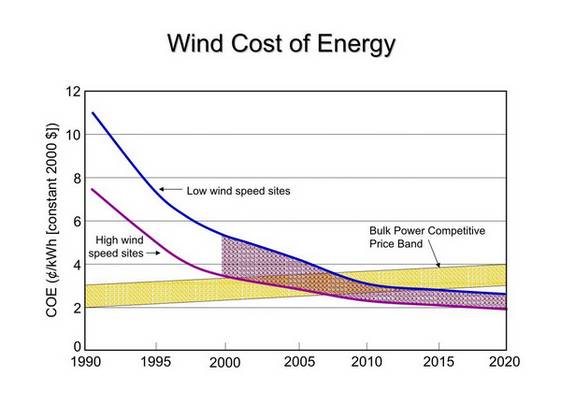
Are Windmills The Most Expensive Form Of Energy
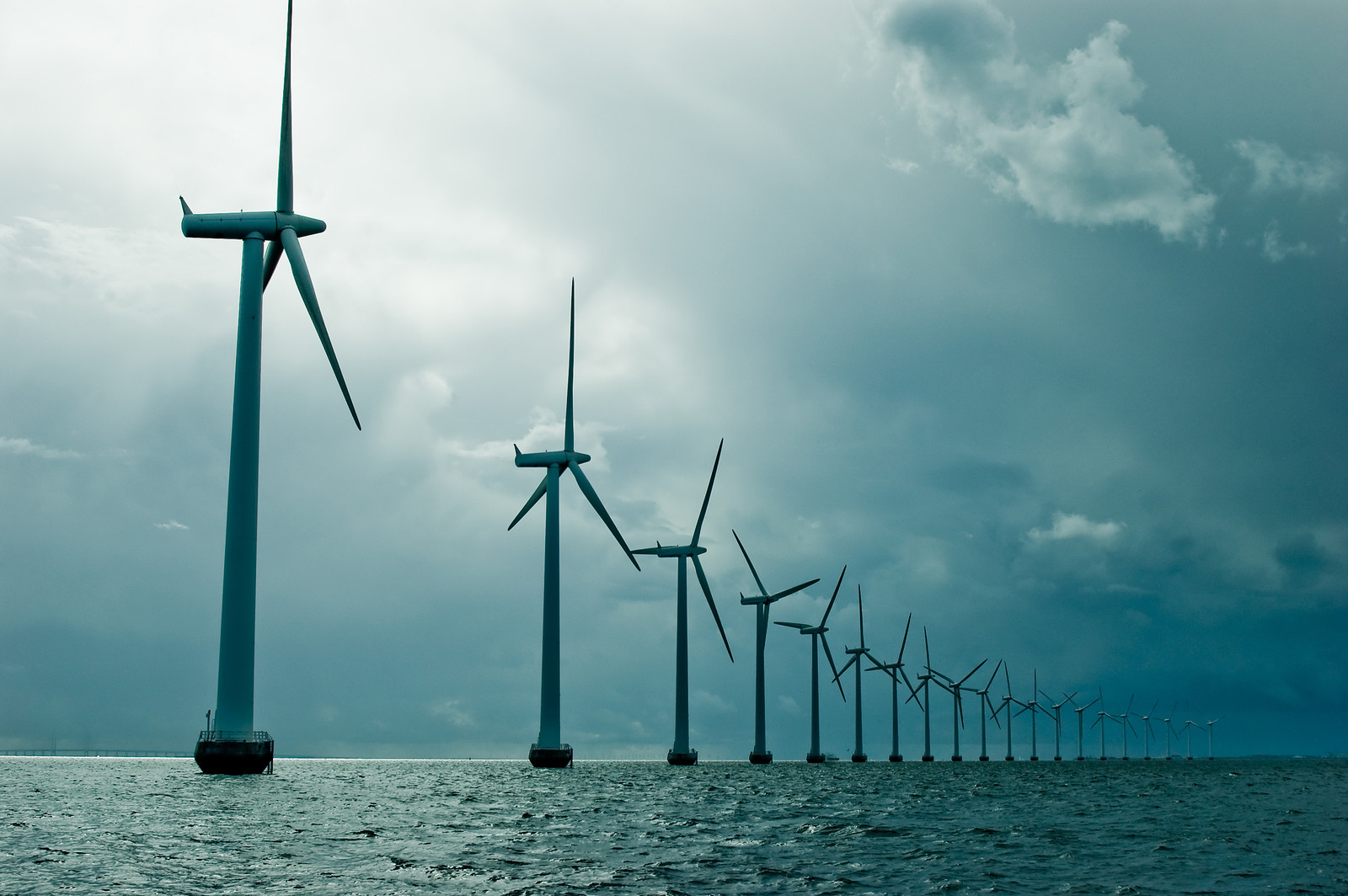
Let's be honest, there's something undeniably captivating about windmills, or rather, wind turbines as we often call them today. Maybe it's the mesmerizing rhythm of their blades slicing through the air, or perhaps it's the romantic notion of harnessing the power of nature. Whatever the reason, these towering structures have become a familiar sight on our landscapes, sparking both admiration and, occasionally, debate. But are they really the most expensive way to power our lives?
Wind energy, at its core, offers a compelling promise: clean, renewable electricity sourced directly from the wind. This benefit translates into reduced reliance on fossil fuels, leading to lower carbon emissions and a smaller environmental footprint. In a world grappling with climate change, that's a pretty big deal. The purpose it serves is to provide electricity to homes, businesses, and entire communities, contributing to a more sustainable energy future. It also has a significant impact on our air quality.
You see wind turbines everywhere these days! Huge wind farms are popping up, often in rural areas or offshore, feeding power into the electricity grid. Even smaller, domestic-sized turbines are becoming more popular for individual homes or businesses, offering a way to generate localized, green energy. Think of those sweeping blades as tiny, personal power plants, diligently converting wind into usable electricity. From powering streetlights to keeping our refrigerators running, wind energy is already playing a vital role in modern life.
Must Read
So, back to the big question: are windmills – or wind turbines – the most expensive form of energy? The answer, as with most things, is a bit more nuanced than a simple yes or no. The initial cost of building a wind farm is certainly substantial. You need to factor in land acquisition, manufacturing and transporting the turbines, installation, and connecting the farm to the grid. However, once built, the running costs are relatively low. The wind, after all, is free! Unlike fossil fuel power plants, there are no fuel costs involved.
The true cost of any energy source is not only the direct monetary outlay, but also the environmental cost. When you consider the impact of burning fossil fuels – air pollution, greenhouse gas emissions, and resource depletion – wind energy starts to look a lot more attractive, even with its initial investment. Moreover, the cost of wind energy has plummeted in recent years thanks to technological advancements and economies of scale.

While it might be misleading to say that wind energy is always the cheapest option in every location and circumstance, it's becoming increasingly competitive with traditional energy sources, especially when factoring in long-term environmental and economic benefits. So, while the upfront costs might seem significant, the long-term gains – a cleaner environment, a more sustainable energy future, and increasingly competitive energy prices – make wind energy a crucial part of the global energy mix.
And, to appreciate wind energy more effectively, consider supporting policies that promote renewable energy development, advocating for investments in grid infrastructure to better integrate wind power, and educating yourself and others about the benefits of clean energy sources. By understanding the bigger picture, we can all play a part in harnessing the power of the wind for a brighter, cleaner future.