
Are There State Taxes In Texas
Picture Texas, a land of wide-open spaces, big skies, and even bigger hospitality. You might imagine cowboys, bustling cities, and delicious BBQ. But have you ever stopped to wonder about something a little less glamorous, yet super important: taxes?
Specifically, many folks from outside the Lone Star State often ask, "Are there state taxes in Texas?" It's a common question, and the answer might just surprise you!
Hold Your Horses: No State Income Tax!
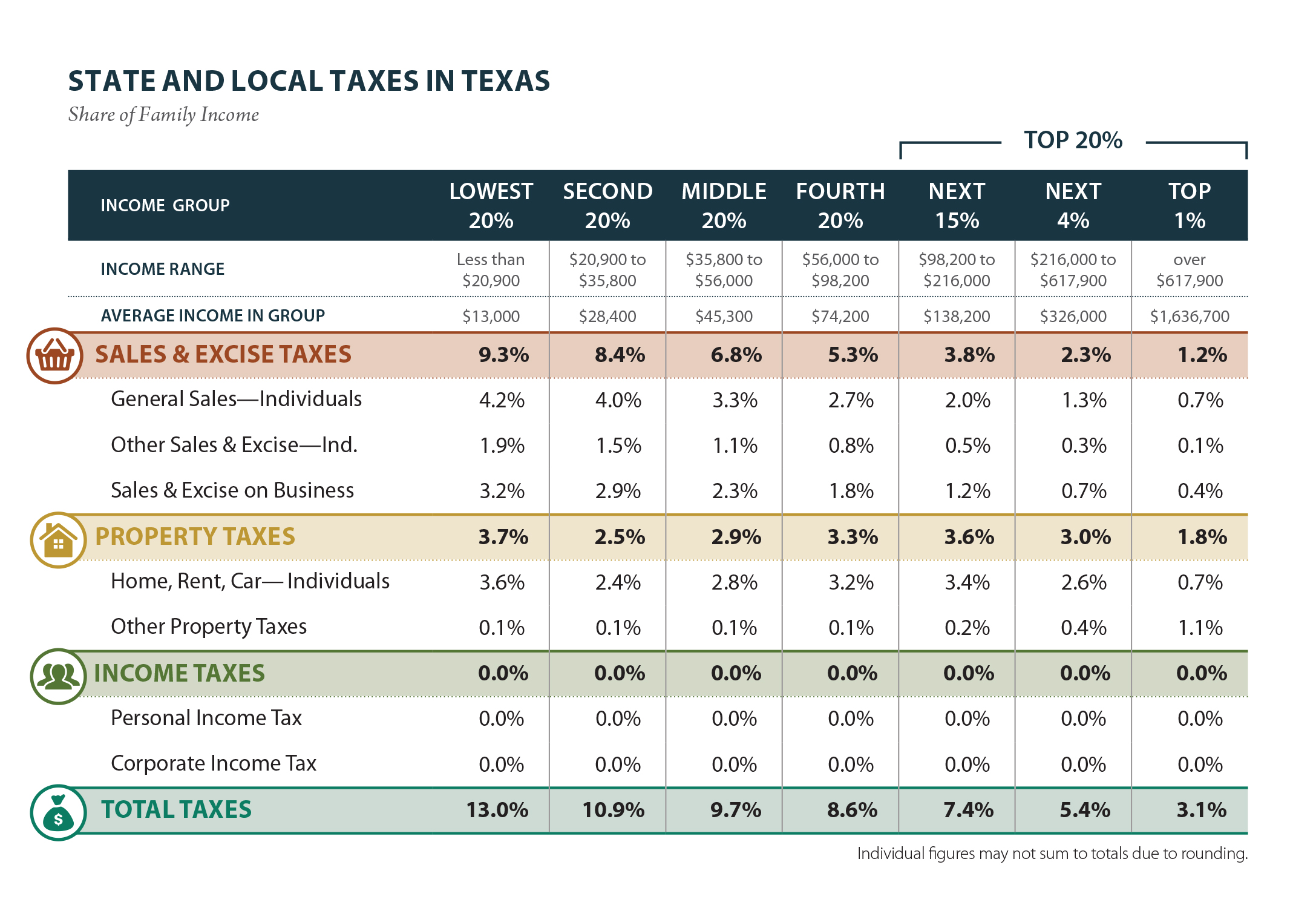
Here's the big reveal that often makes people do a double-take: Texas is one of a handful of states that does not levy a state income tax. That’s right, when you get your paycheck, the State of Texas won't be taking a slice directly from your earnings.
Must Read
For many Texans, this means more of their hard-earned money stays right in their pockets. Imagine the feeling of not having to budget for that particular line item on your state tax return!
It's a pretty sweet deal for anyone living or working here. This unique setup is a huge part of the Texas financial landscape, making it a distinctive place to live and do business.
So, How Does Texas Keep the Lights On?
Now, you might be thinking, "Well, roads don't pave themselves, and schools don't run on good vibes alone!" And you'd be absolutely right. Just because there's no state income tax doesn't mean Texas is a tax-free paradise.
The state funds its important services through a different mix of taxes. It's a clever balancing act that keeps everything humming along.
The Sales Tax Shuffle
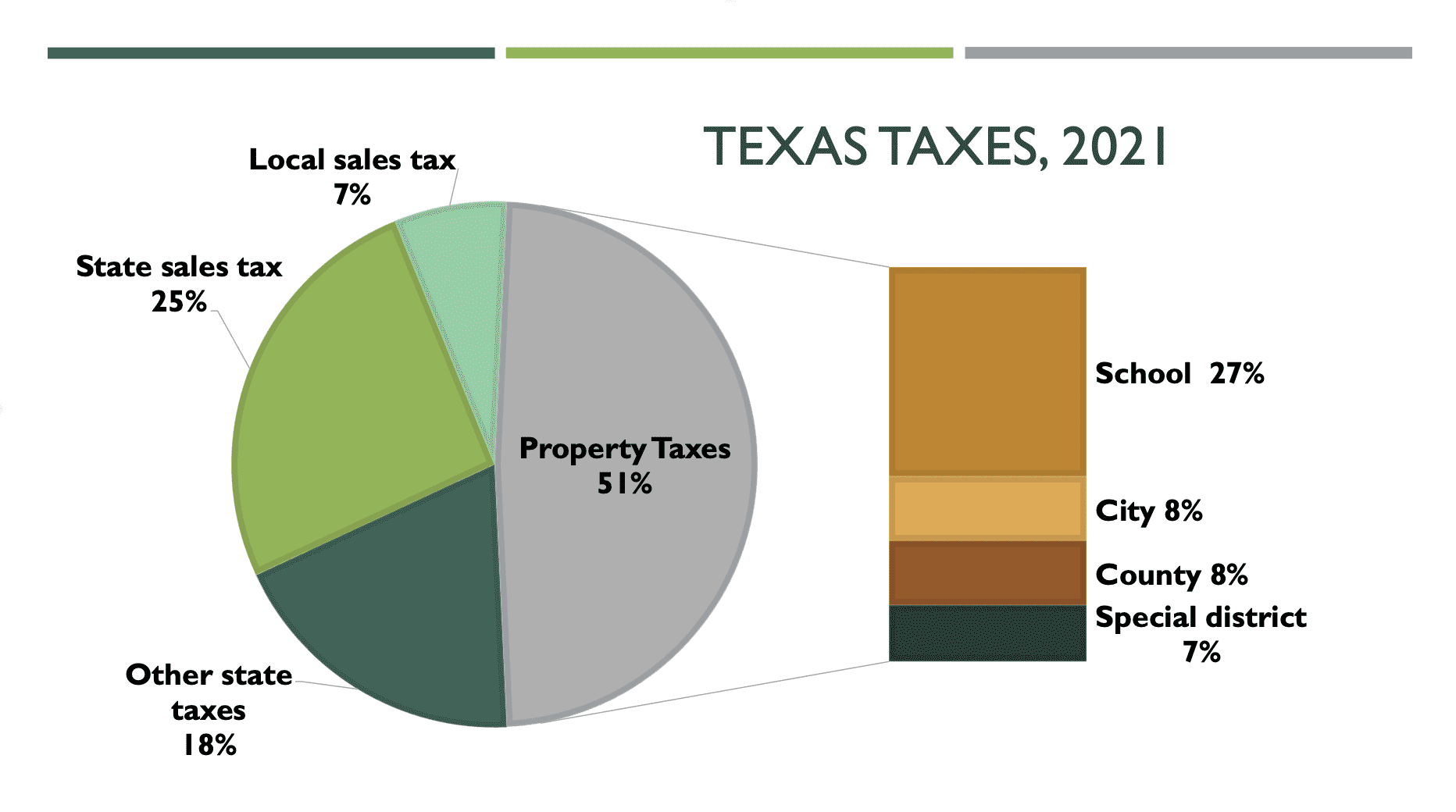
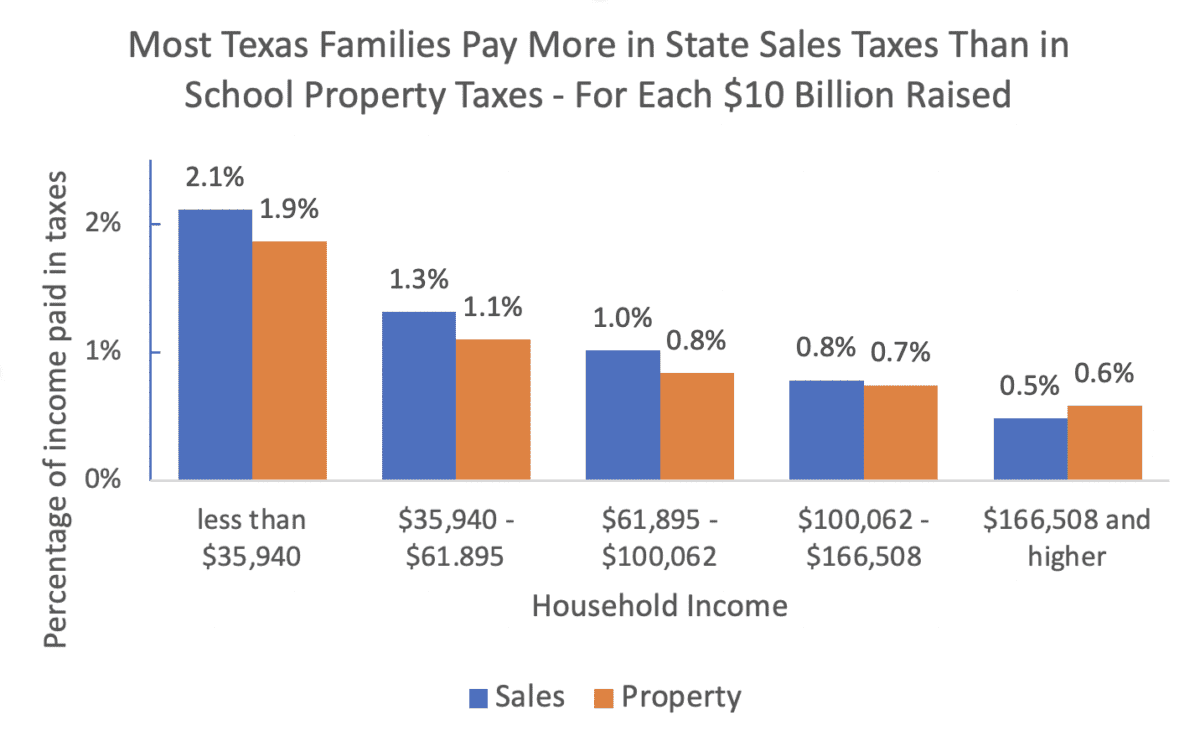
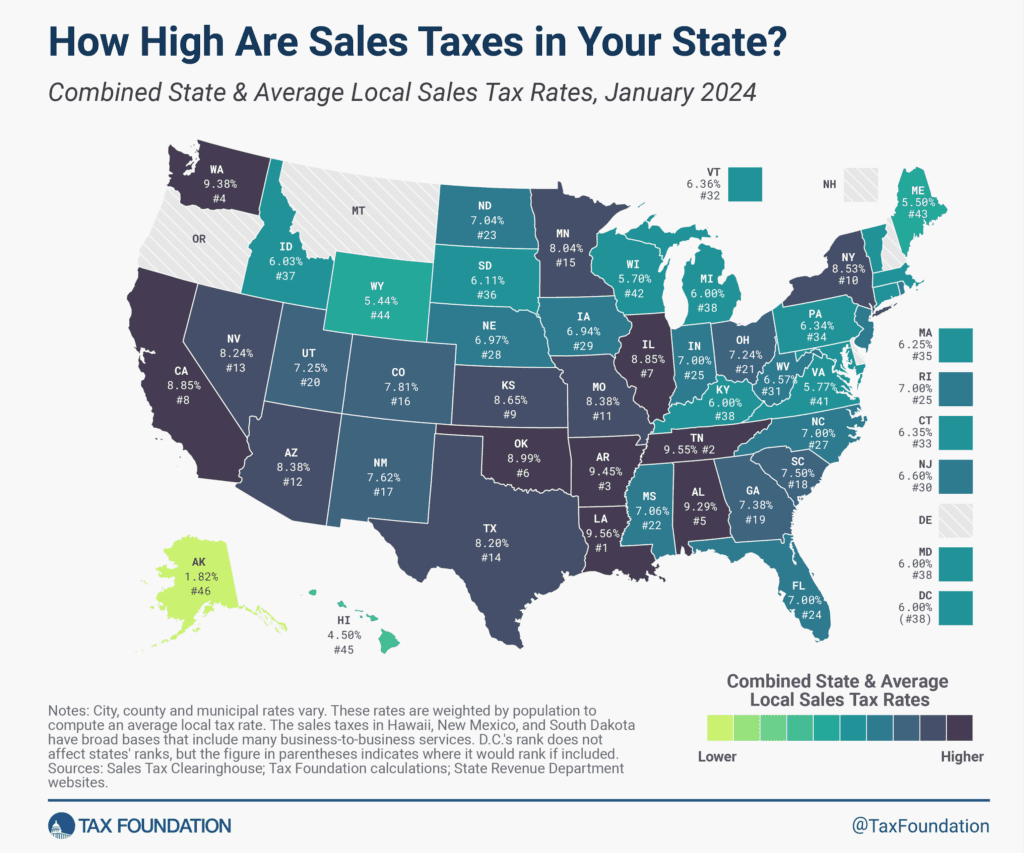
One of the main ways Texas collects revenue is through a general sales tax. Every time you grab a breakfast taco, buy a new pair of boots, or furnish your living room, you’re likely paying sales tax.

This tax is collected on most goods and some services you purchase. It’s a very broad net, meaning lots of people contribute a little bit each time they shop.
Think of it as sharing a small part of your purchase with the state, helping to fund its operations. It’s a common way to contribute without directly impacting your monthly salary.
Property Taxes: The Local Heavy Hitter
If you own a home or business in Texas, you'll definitely be familiar with property taxes. These are arguably the biggest tax burden for many Texans, but here's the twist: they're largely collected at the local level, not by the state itself.
Your property taxes go to your county, city, and most importantly, your local school district. This means that a significant chunk of your contribution directly supports the schools your children attend and the services in your immediate neighborhood.
It's a very direct way to invest in your community. When you see a well-maintained park or a new library, you're often seeing your property taxes at work.
As many a proud Texan might tell you, "We believe in keeping things local. My tax dollars help build our schools!"
Other Tidbits and Fees
Beyond sales and property taxes, there are other, smaller ways the state collects revenue. You'll pay taxes on gasoline when you fill up your tank, and there are "sin taxes" on things like tobacco and alcohol.
Vehicle registration fees, certain business taxes, and various licenses also contribute to the state's coffers. These are the little things that add up to keep the big state running smoothly.
The Texas Vibe: A Different Kind of Freedom
This particular tax structure has definitely shaped the unique character of Texas. The absence of a state income tax is often a major draw for individuals and businesses looking to relocate.
It can foster a feeling of economic freedom and opportunity. For many, it means they have more disposable income to spend or save as they choose, fueling local economies.
This approach emphasizes local responsibility and accountability. It connects your tax contributions more directly to the visible services and institutions in your hometown.
It’s a different kind of financial dance, one that prioritizes local control and consumer-based contributions. This system helps maintain the state’s reputation for being a place where economic growth is actively encouraged.
The focus on sales and property taxes means that everyone who buys goods in the state contributes, and those who benefit from local infrastructure (like homeowners) contribute significantly to those services.
Community and Local Roots
The system really highlights the importance of local control and community investment. Because property taxes are such a big part of the picture, decisions about how that money is spent are often made closer to home.
School boards, city councils, and county commissioners are directly accountable to the residents who pay these taxes. This can lead to a stronger sense of ownership and participation in local governance.
When residents vote on school budgets or local bond issues, they understand the direct impact on their tax bill and their neighborhood. It truly makes your investment in your community feel more tangible.
It's heartwarming to think that the taxes on your home are helping to educate the next generation right in your town. This direct link between your taxes and visible community benefits is a powerful aspect of life in Texas.
A Glance at the Texan Wallet
So, while that Texas paycheck might look a bit heftier without a state income tax deduction, remember the other parts of the equation. You'll definitely notice the sales tax on your shopping trips and the property tax bill if you own real estate.
It’s a trade-off, but one that many Texans embrace. They appreciate the financial freedom on one hand, balanced with the direct contribution to their communities on the other.
This system gives Texas its unique economic flavor. It’s a bold approach that emphasizes consumer activity and local infrastructure.
The Enduring Charm
So, the next time you hear someone ask about state taxes in Texas, you can confidently tell them about the surprising lack of a state income tax. But also share the fascinating story of how the state does fund itself!
It’s a system as distinctive as the state itself, full of practical ingenuity and a strong emphasis on local community. It truly gives a unique perspective on life in the Lone Star State.