
Are Teflon Pans Bad For You
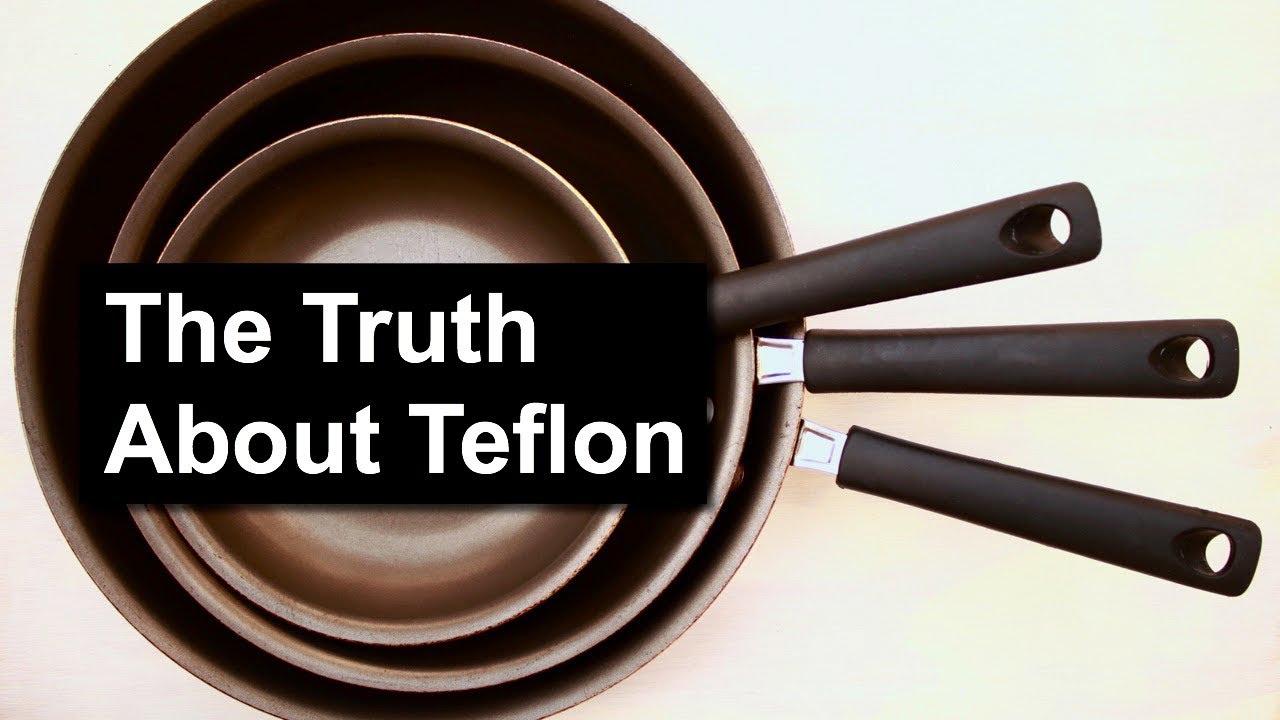
Alright, let's talk about something that's probably nestled in your kitchen cabinet right now: that super handy, magically non-sticky pan. You know, the one that lets your pancakes slide right off and your eggs glide without a fuss. We're talking about Teflon pans!
But here’s the million-dollar question that often pops up during a casual dinner party or a scroll through social media: Are Teflon pans bad for you? It's a question that can spark a little whisper of worry, right? So, let's grab a comfy seat, maybe a cup of tea, and unravel this mystery with a chill, curious vibe.
The Magic of Non-Stick: What Exactly Is It?
First off, let's appreciate the genius of non-stick. Imagine trying to cook an omelet in a pan where everything just sticks. A nightmare! That's where Teflon, or more scientifically, PTFE (polytetrafluoroethylene), comes in. It's a synthetic polymer, a fancy word for a big molecule, that creates an incredibly slippery surface.
Must Read
Think of it like an ice rink for your food. Nothing wants to stick around! This revolutionary material was actually discovered by accident back in 1938 by a DuPont chemist named Roy Plunkett. He was trying to make a new refrigerant and ended up with this slippery, waxy substance. Pretty cool, huh? Accidental discoveries often lead to the best things, like penicillin or potato chips!
The "Bad" Part: Where Did the Worry Come From?
So, if it's so great, why the concern? The buzz, the whispers, the full-blown internet debates often circle back to a chemical called PFOA (perfluorooctanoic acid). This is the stuff that historically gave Teflon a bit of a bad rap.

Now, here's the crucial bit: PFOA wasn't actually part of the non-stick coating itself. It was a processing aid used in the manufacturing of PTFE. Think of it like a tool used to build a house; it helps put things together, but it's not part of the house once it's finished. However, tiny amounts could remain on the finished product, and there were environmental concerns and health studies linked to PFOA exposure, particularly regarding cancer and other health issues.
This is where things get interesting, because science evolves, and so does manufacturing. The good news? Due to growing concerns and regulatory pressure, PFOA has been largely phased out of non-stick cookware manufacturing globally since 2013. Yep, you read that right! Most major manufacturers, especially those in the US and Europe, committed to eliminating PFOA from their processes. So, if you're buying a new non-stick pan today, chances are it's PFOA-free. It's like finding out an old, controversial ingredient in your favorite recipe has been safely replaced!
Modern Pans: Chill Out, Mostly!
So, for the vast majority of us using modern non-stick pans, the PFOA concern is largely a thing of the past. When used correctly, these pans are considered safe for everyday cooking.
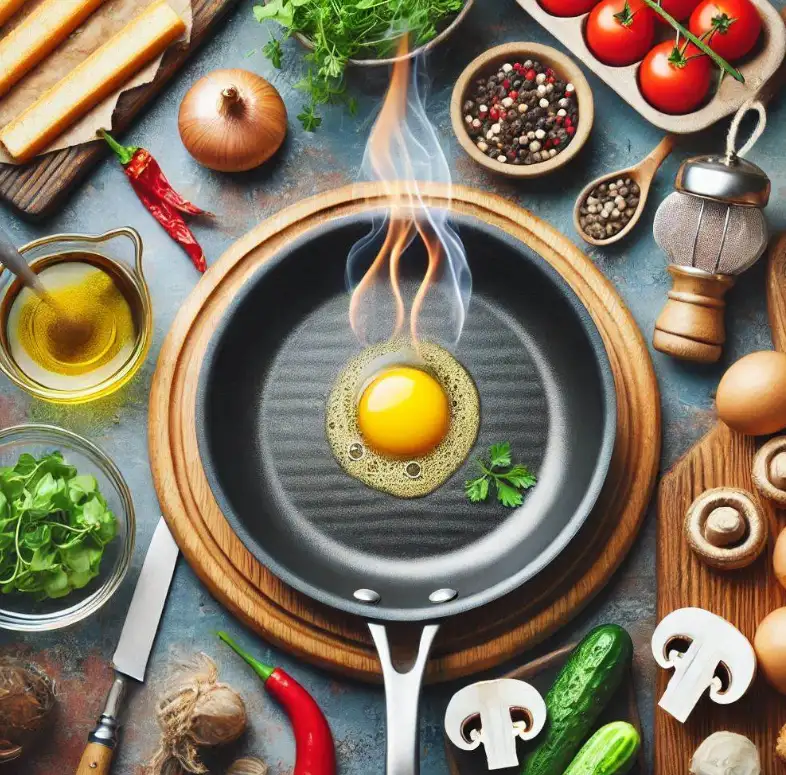
But what about those warnings you hear about not overheating them? That's still a good point. If you blast an empty non-stick pan on high heat for a long time (like, seriously long, to the point of smoking), the PTFE coating can start to break down. This can release fumes. While these fumes aren't considered acutely toxic in typical home kitchen scenarios (they won't instantly turn you into a superhero or villain), they can cause flu-like symptoms in some people, a condition sometimes called "Teflon Flu."
Think of it like burning toast. Smells awful, makes you cough, maybe sets off the smoke alarm, but it's usually not a health crisis. The temperature needed for this breakdown is generally around 500-570°F (260-300°C), which is hotter than most home cooking temperatures, unless you're trying to sear a steak in an empty pan for an extended period.
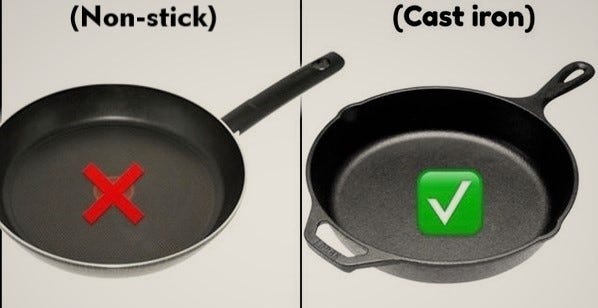
How to Be a Non-Stick Pan Pro (and Stay Chill)
Want to keep your non-stick pans happy and your kitchen worries-free? Here are a few friendly tips:
- Don't preheat empty pans on high heat. A medium heat usually does the trick.
- Use medium or low heat for most cooking. You really don't need super high heat for eggs or pancakes.
- Ensure good ventilation. Cracking a window or using your range hood is always a good idea when cooking anything, not just with non-stick.
- Avoid metal utensils. Stick to wood, silicone, or plastic to prevent scratching the coating. Scratched pans can mean the non-stick magic is gone, and while not necessarily "toxic," it's just not as effective.
- Replace worn pans. If your pan is heavily scratched, peeling, or no longer non-stick, it might be time for a new one. It's more about performance than peril, really.
So, What's the Verdict?
Here's the takeaway: modern non-stick pans, especially those labeled PFOA-free (which is most of them nowadays), are generally considered safe for everyday cooking when used according to their instructions. The big scary PFOA ghost has largely left the building!
Like anything in life, moderation and proper use are key. So, go ahead, enjoy those perfectly flipped pancakes and effortlessly cleaned pans. The convenience is real, and the worries, for the most part, can take a back seat. Cook on, curious chef!
