
Are Tankless Hot Water Heaters More Efficient
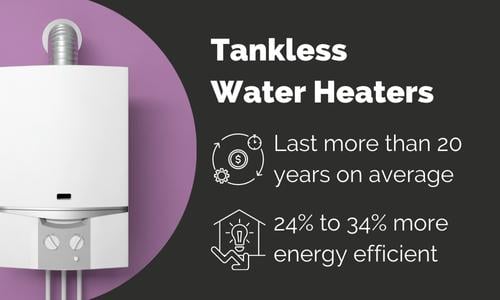
So, tankless hot water heaters, huh? Ever wondered if they're just fancy or actually, you know, better?
Let's dive in! No, not into a scalding bath. (Unless that's your thing. We don't judge.)
The Tank vs. The No-Tank Tango
Traditional water heaters are like that roommate who’s always got a pot of coffee brewing. They keep a whole tank of water hot. 24/7. Whether you need it or not.
Must Read
Think about it: That's energy wasted while you're binge-watching cat videos or, you know, sleeping! It's like paying for a gym membership you never use.
Tankless heaters? They're the minimalist friends who only make coffee when they actually want to drink it. They heat water on demand. Poof! Hot water appears when you turn on the tap. Magically.
So, who wins the efficiency dance-off?
Efficiency: The Name of the Game
Generally, yes, tankless heaters are more efficient. But hold your horses! (Or unicorns, if that's more your style.)

It's not a slam dunk. It depends on your hot water habits. Are you a serial bath-taker? Or a quick shower kind of person?
Tankless heaters shine when you don't need a constant supply of hot water. They eliminate standby heat loss. That's the energy wasted by a tank heater just sitting there, keeping water warm.
Think of it like this: a traditional tank is a leaky bucket of energy. A tankless system only opens the tap when you need to fill your glass.
The Quirky Perks (and Potential Quirks)
Here’s a fun fact: some tankless heaters can last 20 years or more! That’s like… forever in appliance years. Traditional tanks? Maybe 10-15 years, tops. It's the tortoise and the hare, appliance edition!
Endless hot water! Imagine: No more cold shower surprises when someone flushes the toilet. Pure bliss.
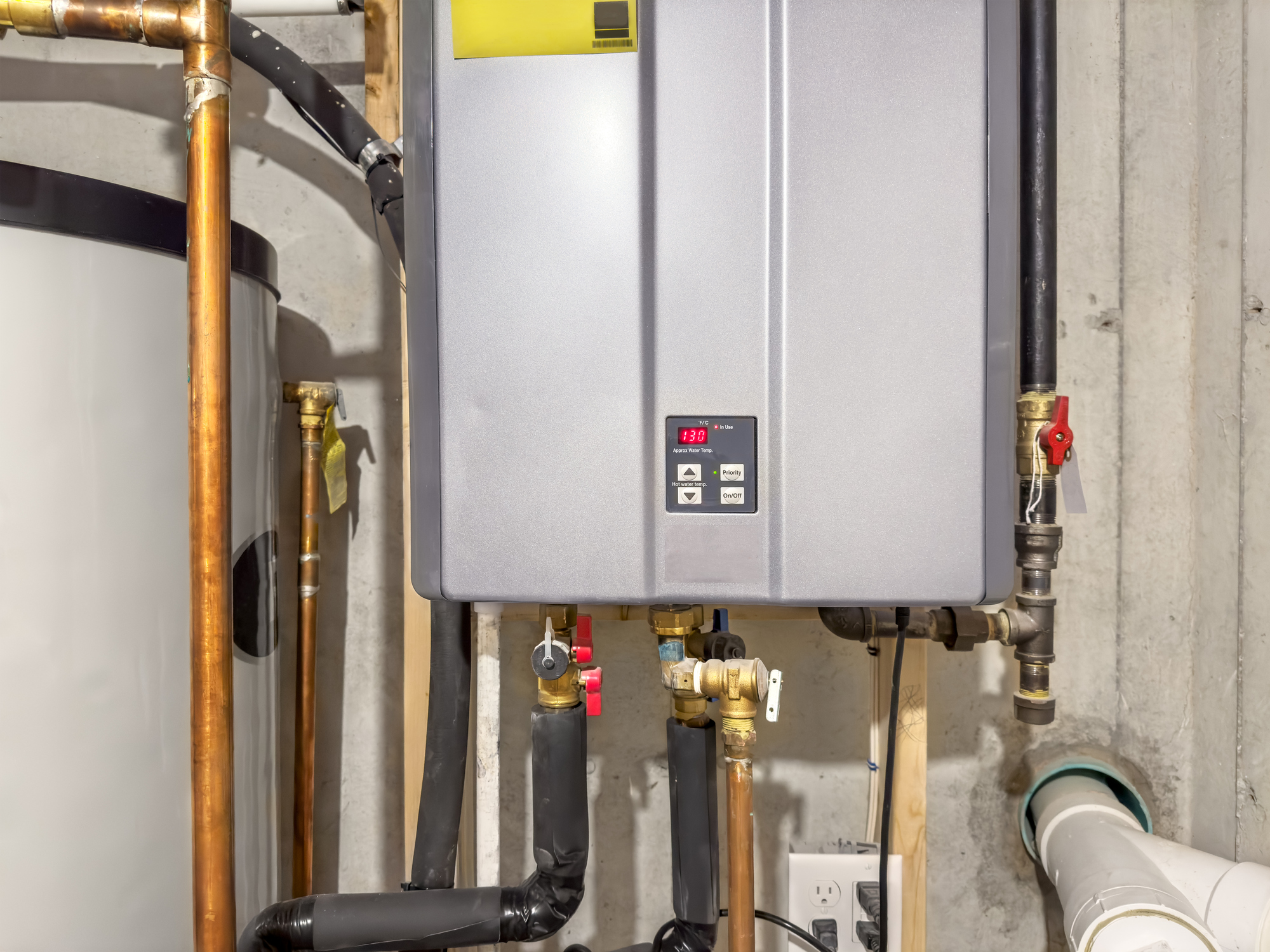
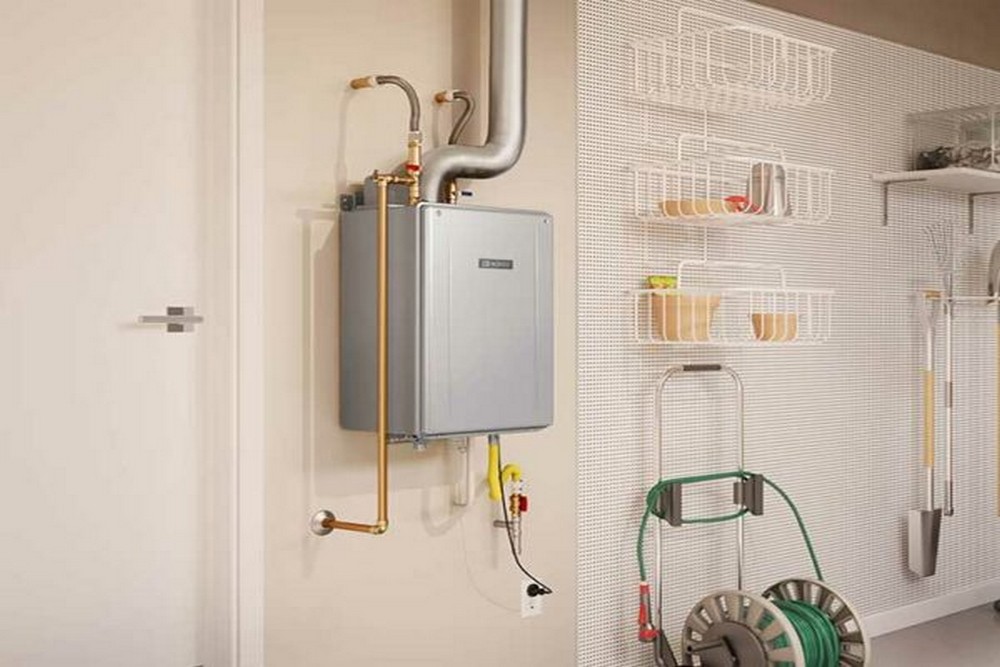
Space-saving! They're usually wall-mounted. No bulky tank hogging precious closet space. Hello, more room for shoes!
BUT...(there's always a but, isn't there?)
They can have a higher upfront cost. Ouch. Think of it as an investment in your future hot water happiness.
They might require electrical upgrades. Double ouch. Some need a dedicated circuit. Time to call the electrician.
Sometimes, you get a slight delay when you first turn on the tap. It's like the heater needs a second to wake up and smell the coffee (ironically).
The Nitty-Gritty (Without Getting Too Nitty)
Energy Factor (EF) is the magic number. It measures efficiency. Look for a higher EF. Tankless heaters often have higher EF ratings than traditional tanks.
But remember, EF is just a number. Your actual savings depend on your usage, climate, and a bunch of other factors that are frankly a bit boring to talk about.
Consider this: A small household might see bigger savings with a tankless heater than a large family that's constantly running the dishwasher and washing machine.
So, Are They Worth It?
It depends! (Isn’t that the most annoying answer ever?)

Ask yourself:
- How much hot water do I really use?
- How long do I plan to stay in my home?
- Am I okay with a potentially higher upfront cost?
If you're all about efficiency, saving space, and never running out of hot water, a tankless heater might be your soulmate. If you're on a tight budget and hot water isn't a major concern, a traditional tank might be the more sensible choice.
The Final Splash
Tankless water heaters can be more efficient. But efficiency isn't the whole story. Consider your lifestyle, budget, and hot water needs before making the plunge (pun intended!).
Do your research. Talk to a plumber. And maybe, just maybe, you'll find your perfect hot water match!
Happy showering!