Are Solar Panels Good Or Bad
You know that one neighbor, right? The one who swore up and down for years that all this "green energy" stuff was a load of eco-mumbo-jumbo, a drain on the wallet, and probably just a conspiracy by the utility companies to make us all buy less electricity from them. Yeah, that guy. Mine was actually my Uncle Bob. For years, he’d scoff at every new electric car or wind turbine he saw on the news, muttering about how nothing beats good ol' fossil fuels and a hefty power bill that felt like a monthly tax on his existence. Then, one sunny afternoon, I drove past his house and nearly swerved off the road. There they were, gleaming like giant futuristic scales on his roof: solar panels.
My jaw probably hit the steering wheel. Uncle Bob, the Luddite-in-chief, had gone solar! It got me thinking, if even he, a man who still used a flip phone and considered Netflix "newfangled," could embrace them, what's the real story? Are solar panels the ultimate eco-hero, or is there a sneaky villain hiding behind that shiny facade? It's a question I hear a lot, and honestly, the answer isn't a simple yes or no. It's more like a really complicated "it depends," with a side of "let's break it down."
The "Good" Stuff: Why They Shine (Literally)
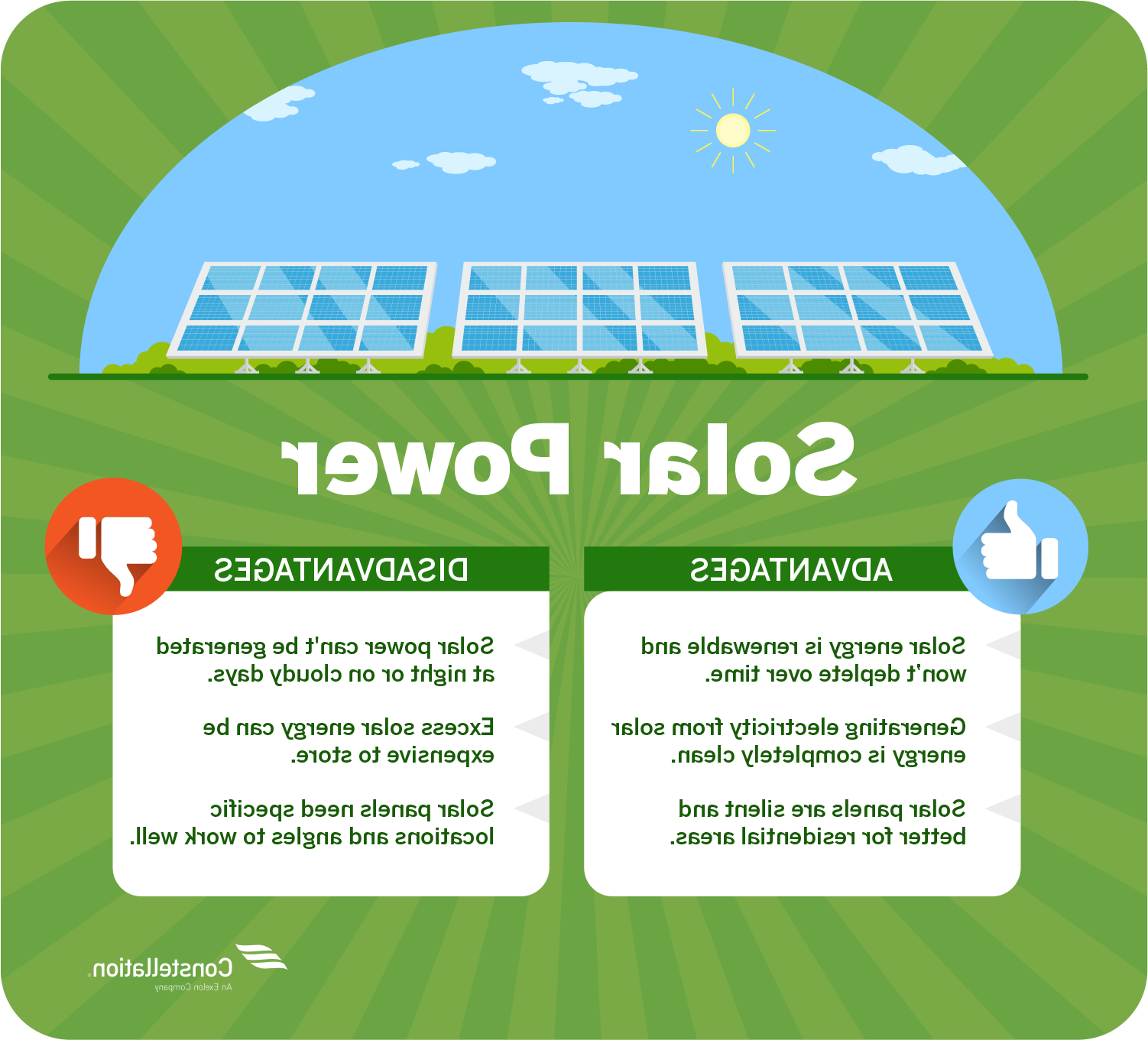
Let's start with the obvious wins, the reasons Uncle Bob probably made the leap – even if he'd never admit it was for the planet. The biggest one? Your wallet. Once installed, solar panels significantly reduce or even eliminate your electricity bill. Imagine that! No more heart-stopping surprises when the utility statement arrives. Think of it as prepaying for decades of electricity at a fixed rate. Pretty neat, right?
Must Read
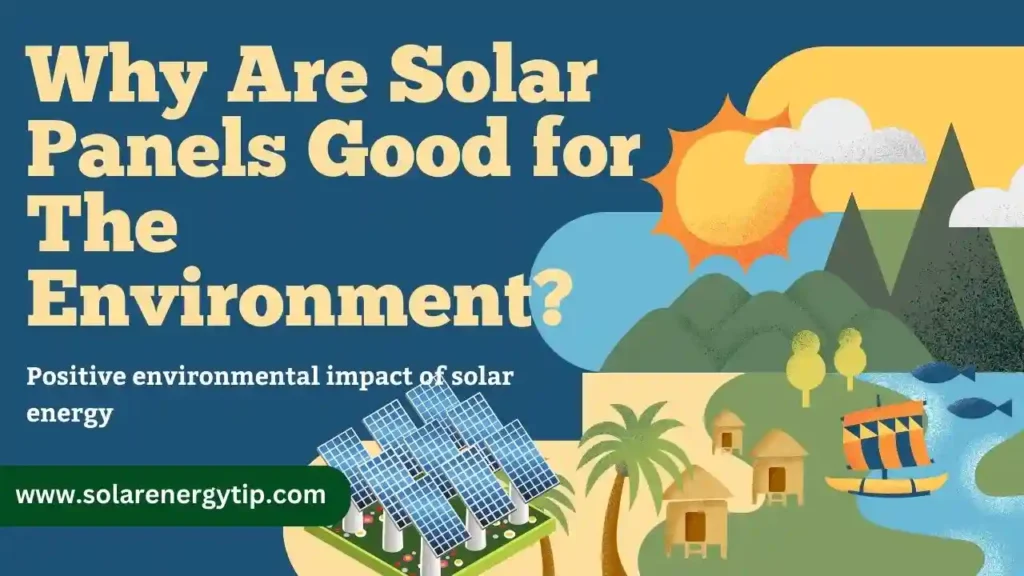
Then there's the environmental angle. This is the part that makes the tree-huggers (and increasingly, everyone else) cheer. Solar energy is clean energy. It means less reliance on burning fossil fuels, which spew all sorts of nasties into our atmosphere. We're talking about a tangible reduction in your carbon footprint, helping combat climate change one sunny day at a time. Your house basically becomes a tiny, personal power plant, running on pure sunshine. How cool is that?
Beyond saving cash and saving the planet, there’s also the perk of energy independence. You're less beholden to fluctuating energy prices or grid outages. Plus, many governments offer incentives – tax credits, rebates, feed-in tariffs – that can make the initial investment much more palatable. It's like they're saying, "Hey, thanks for being awesome, here's some money back!" And let's not forget, solar panels can actually increase your property value. So, when it's time to sell, your house might just fetch a prettier penny.
The "Bad" Stuff: The Cloudy Side of Solar
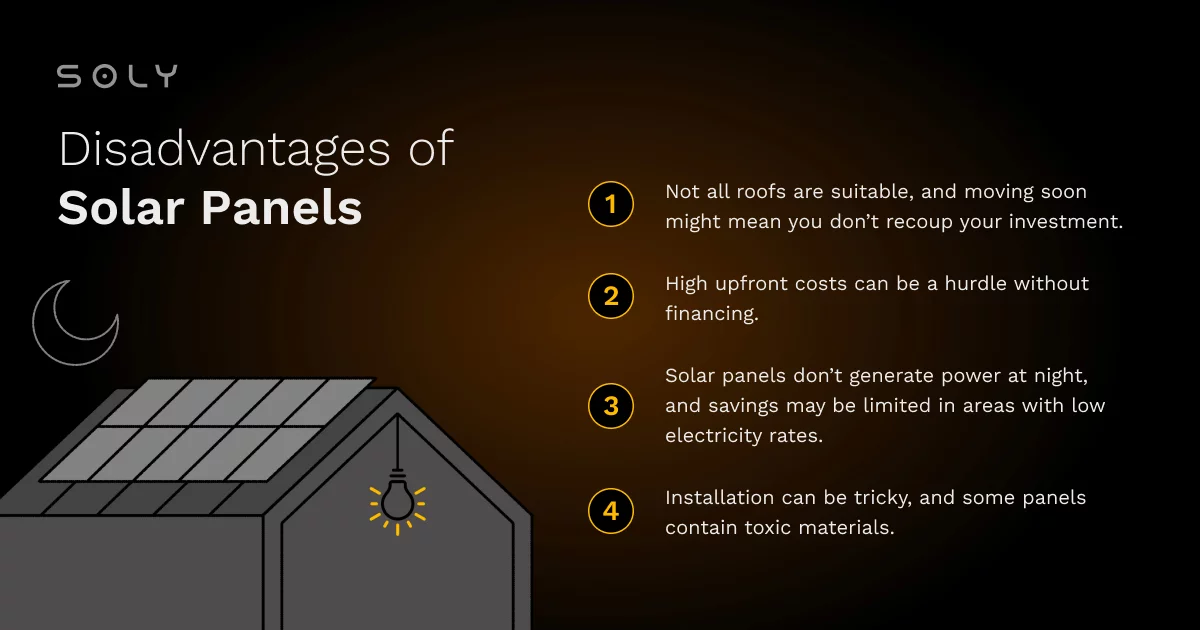
Okay, hold your horses, it's not all sunshine and rainbows. There are legitimate concerns, and it's important to look at them with a clear, critical eye. The biggest hurdle for most people is the upfront cost. Installing a full solar system isn't cheap. We're talking thousands, sometimes tens of thousands of dollars. While it pays for itself over time, that initial investment can be a real blocker for many households. It's like buying a really good espresso machine – amazing coffee forever, but that first hit to the bank account stings.
Then there's the "intermittency" factor. Solar panels need... well, sun. They don't work at night (obviously, unless you've got some serious moon-powered tech I don't know about!), and their efficiency drops significantly on cloudy or rainy days. This means you either need a reliable battery storage system (another significant cost) or you remain connected to the grid, drawing power when your panels aren't producing enough. It's not a set-it-and-forget-it perpetual motion machine, sadly.
And here's where it gets a bit more nuanced: the environmental cost of producing the panels themselves. They require raw materials, energy-intensive manufacturing processes, and eventually, they'll need to be disposed of. While the industry is making strides in recycling, it's not a perfectly circular system yet. So, while they're clean to operate, their lifecycle isn't entirely without impact. Also, some people simply don't like the way they look on their roof. Aesthetics, my friends, are a powerful thing!
So, Good or Bad? The Verdict (Kind Of)
The truth, as with most things in life, lies somewhere in the middle. Solar panels aren't a magical, flawless solution, but they're also far from being an eco-disaster or a financial black hole. For many, especially those in sunny regions with decent incentives, they are an incredibly smart investment for both their finances and the planet.
For others, perhaps those with shady roofs, limited budgets, or simply short-term plans for their home, the downsides might outweigh the benefits. It really boils down to your specific situation: your location, your energy consumption, your budget, and your long-term goals. Do your homework, get a few quotes, understand the payback period, and consider the environmental impact from start to finish. Uncle Bob might have been a late adopter, but even he recognized that sometimes, the future is worth investing in. And who knows, maybe even you will soon be basking in the glow of your own clean energy!