There's a quiet hum in the air these days, a subtle shift in how we think about getting from point A to point B. We're not just driving cars anymore; we're interacting with them. They're more than metal boxes on wheels; they're becoming clever companions, almost like that incredibly organized friend who always knows where you left your keys. These are the "smart cars" we hear so much about, packed with dazzling tech that helps us navigate, park, and even stay safe. But a common question often pops into people's minds, perhaps while they're stuck in traffic or admiring a sleek new model: Are these smart cars sipping on gas, or do they plug into the wall like your phone?
Here’s the delightful little secret: The answer isn’t one or the other. It’s a wonderful, surprising, and rather un-technical "both!" That's right. The term "smart car" isn't about what type of fuel it uses; it's about the brainy tech crammed inside. Think of it like this: your smartphone is smart because of its apps and processors, not because it charges with a particular brand of cable. The same goes for cars. Their "smartness" comes from the computers, sensors, and software that make your drive feel like something out of a futuristic movie, no matter what's under the hood.
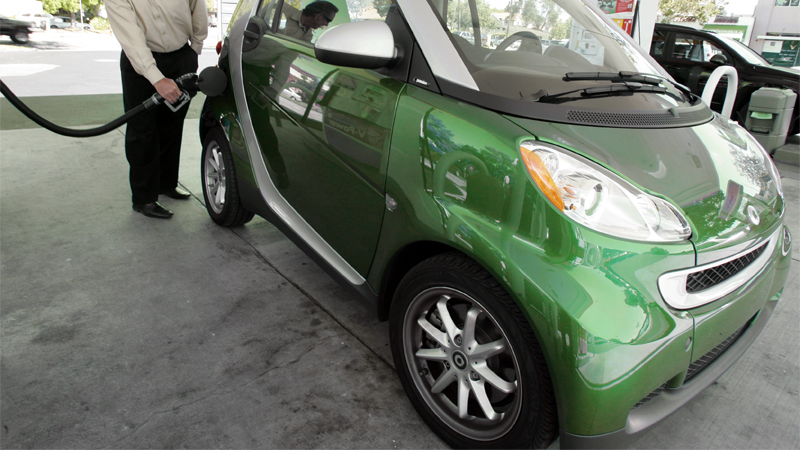
Let's start with the cars that still love a good old fill-up. Plenty of traditional gasoline-powered vehicles are incredibly smart. Picture this: you're cruising along, perhaps a little distracted by your favorite podcast, when a polite voice from your dashboard chimes in, "Hey there, you're running low on fuel. The nearest gas station is just three miles ahead, on your left." That's a smart gas car looking out for its own appetite, guiding you to its next meal. It’s like having a tech-savvy co-pilot who not only reminds you to get gas but also knows exactly where to find it. These cars might still purr or rumble like the cars of yesteryear, but they’ve got a supercomputer for a brain, constantly processing data to make your journey smoother and more efficient.
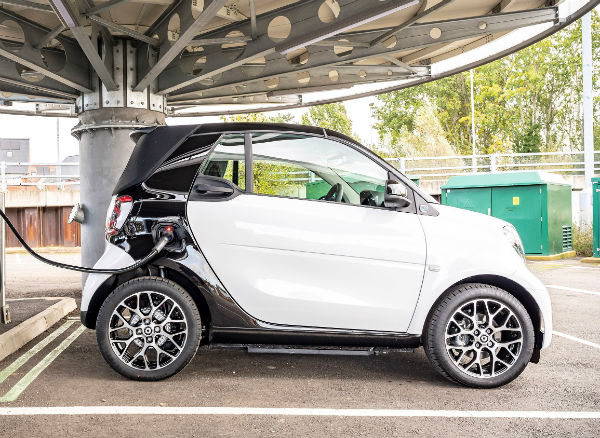
Then we have the hushed, often futuristic-looking electric smart cars. These are the silent guardians of the road, gliding along with nary a whisper, powered solely by batteries. When you combine the inherently advanced nature of an electric vehicle with cutting-edge smart features, you get a truly remarkable experience. Imagine taking a late-night drive to a serene spot overlooking the city, the only sound being the gentle whir of the tires. Your electric smart car handles the navigation, maintains a safe distance from other vehicles, and even suggests the most efficient route to conserve battery. It's a peaceful, almost meditative journey, where the car's intelligence allows you to simply be in the moment, rather than worry about the mechanics of driving. These are the cars that feel truly magical, often leaving you with a sense of wonder at how far automotive technology has come.
And let's not forget the hybrids, those clever shapeshifters that seamlessly switch between gasoline and electric power. Many of these also come loaded with intelligent features, offering the best of both worlds: the range flexibility of gas with the efficiency benefits of electric. So, whether your smart car sips from the pump, plugs into a charger, or does a bit of both, its "smartness" isn't tied to its energy source.
Fuel Economy of Smart Car | MPG of Smart Cars, Facts, & Tips
What Really Makes a Car "Smart"?
It’s the amazing features that turn a simple drive into an effortless adventure. Think about self-parking systems: that moment of pure relief when your car confidently slides into a tight spot, doing all the tricky maneuvering for you. It's like having a tiny, expert valet hiding in your dashboard. Or consider the advanced navigation that not only tells you where to go but also intelligently reroutes you around unexpected traffic jams, saving you from a frustrating crawl. Your car becomes your personal tour guide, always finding the path of least resistance.
“Did you just hear that? My car just told me I need an oil change. It’s like having a tiny, very organized butler on four wheels!”
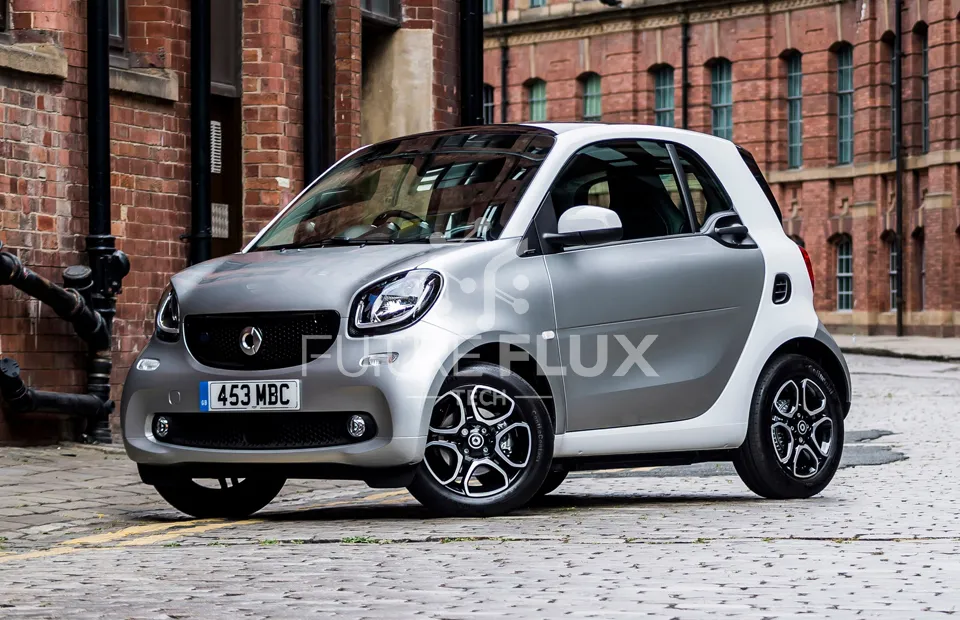
Daimler To Stop Selling Gas-Powered Smart Cars In U.S & Canada | Carscoops
Then there are the safety features: the subtle vibration in the steering wheel if you drift out of your lane, the gentle brake nudge if you get too close to the car in front, or the blind-spot monitor that acts like an extra set of watchful eyes. These are not just gadgets; they're vigilant protectors, working tirelessly to keep you and your loved ones safe. They don’t just react; they anticipate, often before you even realize a potential hazard. The car's ability to "learn" and receive over-the-air updates means it gets smarter over time, evolving like a digital pet gaining new tricks.
The true magic of a smart car, regardless of its fuel type, lies in how it seamlessly integrates into your life. It’s the way it connects to your phone, lets you use voice commands to play music or make calls, or even pre-heats itself on a cold morning before you even step outside. These are the touches that transform a mere machine into our trusty mechanical friend, a silent partner in our daily journeys. Whether it’s powered by dinosaur juice or pure electrons, a smart car’s real power isn’t in its engine; it’s in its ability to surprise, delight, and often, quite literally, save the day. It’s about the experience, making every commute a little less mundane and every road trip a little more extraordinary.