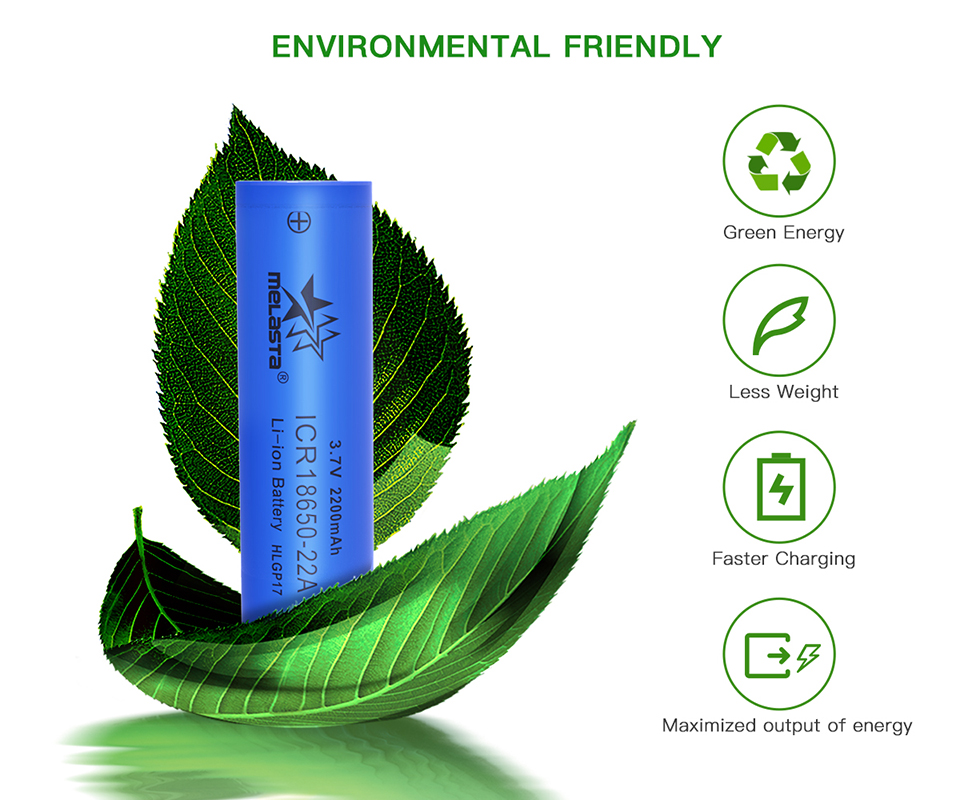
Are Rechargeable Batteries Better For The Environment

Okay, let's talk batteries. We all use 'em. From the TV remote that inexplicably vanishes into the couch cushions every other week, to the kid's toy that suddenly requires "urgent power replenishment" mid-playtime, batteries are the unsung heroes (or villains, depending on how you look at it) of modern life.
But have you ever stopped to think about what happens to all those dead AAs? Probably not, right? You toss 'em in the trash, maybe with a twinge of guilt, and move on. It's kinda like when you "accidentally" eat the last cookie in the jar and blame it on the dog. We all do it! But that pile of discarded batteries? It's an environmental issue, folks.
The Disposable Dilemma: A Landfill Love Story (Not!)
Imagine your local landfill. Now, picture it overflowing with disposable batteries. Not a pretty sight, is it? These batteries contain all sorts of fun (and by fun, I mean potentially harmful) chemicals like mercury, lead, and cadmium. When they decompose in landfills, these substances can leach into the soil and water, causing pollution. Think of it as a slow-motion environmental disaster movie, starring your discarded Duracells.
Must Read
It’s like that questionable Tupperware container you forgot about in the back of the fridge. You know something bad is happening in there, but you’re too scared to open it. Eventually, you have to deal with the consequences (usually involving a lot of bleach and regret). Landfills filled with batteries are kinda the same deal, but on a much grander scale.
Rechargeable to the Rescue? Let's Weigh It Up.
Enter the rechargeable battery, stage left! These little wonders promise to be the eco-friendly solution to our battery woes. But are they really better? Let's break it down:

Less Waste, More Winning: Obviously, the biggest advantage of rechargeable batteries is that you can reuse them. Think about it: one set of rechargeables can replace hundreds of disposables over its lifespan. That's a whole lot less junk ending up in landfills. It’s like switching from disposable razors to a fancy electric shaver. More initial investment, way less waste in the long run.
The Manufacturing Minefield: Now, it's not all sunshine and daisies. The manufacturing process for rechargeable batteries can be more energy-intensive than for disposables. Mining the raw materials, processing them, and assembling the batteries requires energy and resources. It's a bit like saying organic cotton is always better, but forgetting about the water and energy used to grow it.
Disposal Dos and Don'ts: Rechargeable batteries also need to be disposed of properly. Don't just toss them in the trash! They contain heavy metals that can be harmful to the environment if not recycled correctly. Most communities have battery recycling programs, so do a little research and find one near you. It's like bringing your reusable bags to the grocery store. A little extra effort makes a big difference.
The Verdict: It's Complicated (But Mostly Good!)
So, are rechargeable batteries better for the environment? The answer is a resounding "it depends," with a strong lean towards "yes." While the manufacturing process has its environmental impact, the sheer reduction in waste from using rechargeables outweighs the downsides, especially if you recycle them properly.
Think of it this way: it’s like deciding between driving a gas-guzzling SUV and a hybrid car. The hybrid might have a bigger battery that needs to be manufactured, but you'll save a ton of gas and reduce emissions over the long haul. The same principle applies to batteries.
Here's the Bottom Line: If you use a lot of batteries (and let’s be honest, who doesn’t?), switching to rechargeables is a smart move for the planet. Just remember to recycle them responsibly, and pat yourself on the back for being a little bit greener. You’re basically an environmental superhero, armed with a battery charger. Go forth and conquer!