
Are Nuclear Power Plants Bad For The Environment
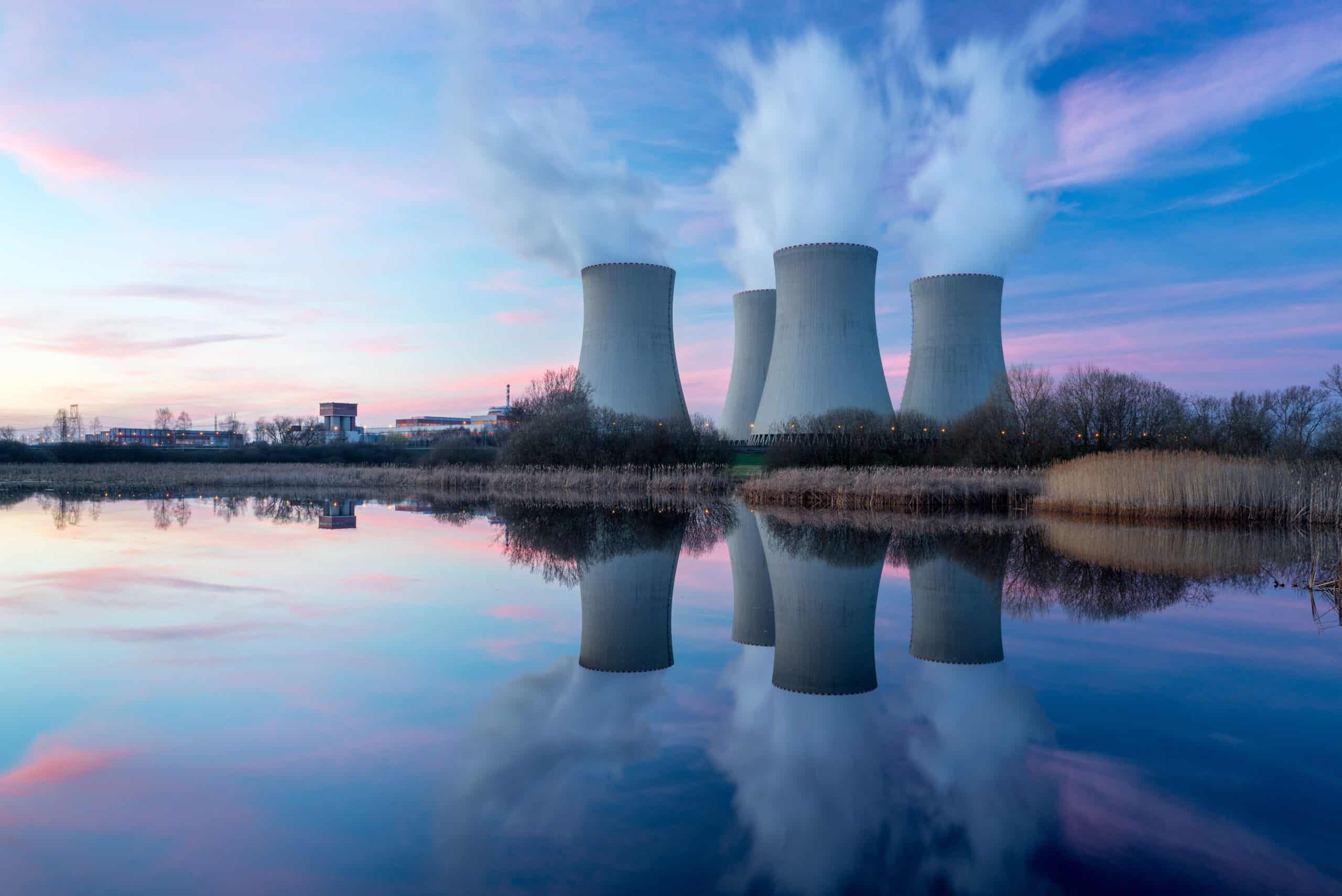
So, nuclear power plants. We've all seen them in movies, sometimes glowing green in a suspiciously villainous way. Are they actually the eco-villains they're often portrayed to be? Let's dive in, shall we?
The Big Question: Good or Bad?
This is where things get interesting. It's not as simple as a "yes" or "no" answer. Imagine asking if your dog is good or bad. Sometimes they chew your favorite shoes, but other times they're the cuddliest, most loyal friend ever. Nuclear power is kind of like that.
The Case for "Good" (Surprisingly So!)
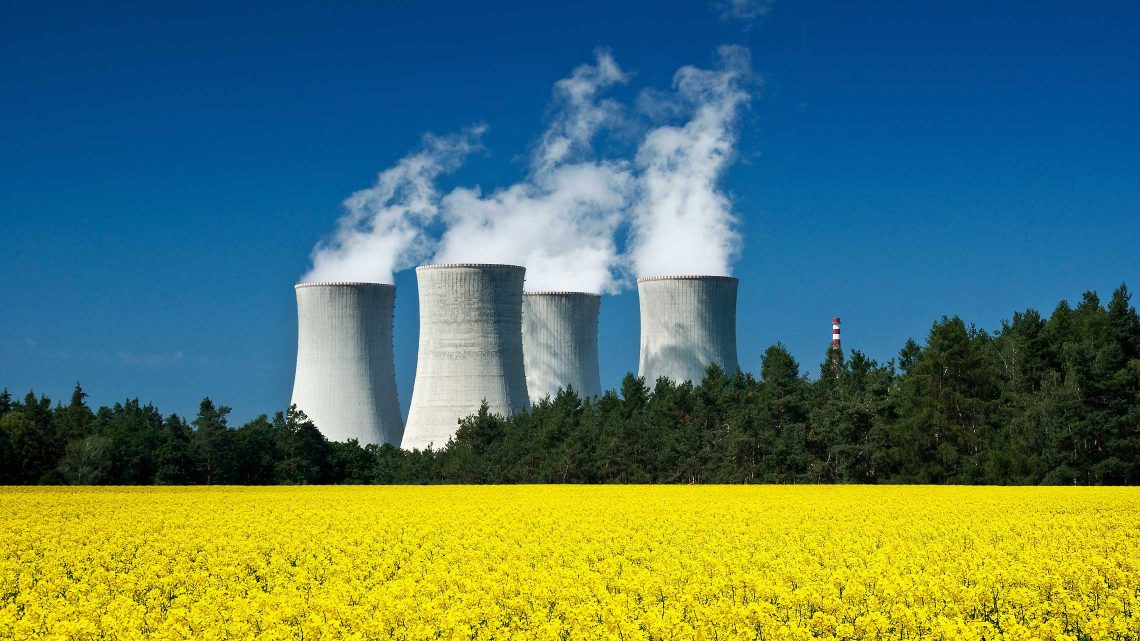
Okay, let's start with the surprisingly good stuff. The biggest argument in nuclear's favor? Clean air. When a nuclear plant is actually making electricity, it doesn't pump out smog, soot, or greenhouse gases like carbon dioxide. Nothing goes into the atmosphere. It's like a silent, emissions-free superhero powering our homes. This is a BIG deal when we're trying to tackle climate change.
Must Read
Think of it this way: it's like swapping your gas-guzzling car for an electric one. But instead of charging your car, the nuclear plant is charging… well, everything!
Plus, nuclear power is reliable. Solar panels only work when the sun shines. Wind turbines need wind. Nuclear plants, however, can run pretty much all the time, day and night, rain or shine. It’s like having a dependable old friend who always shows up when you need them.
The Case for "Bad" (The Elephant in the Room)
Now, let's address the elephant in the reactor room: nuclear waste. This stuff sticks around for a long, long time. We're talking thousands of years. Finding a safe place to store it is a monumental headache.
Currently, most nuclear waste is stored on-site at the power plants themselves, often in specially designed pools of water or dry storage casks. Imagine storing your garbage in the living room! Not ideal, right? Scientists are constantly working on better, long-term solutions, but it's a problem we haven't completely solved yet.
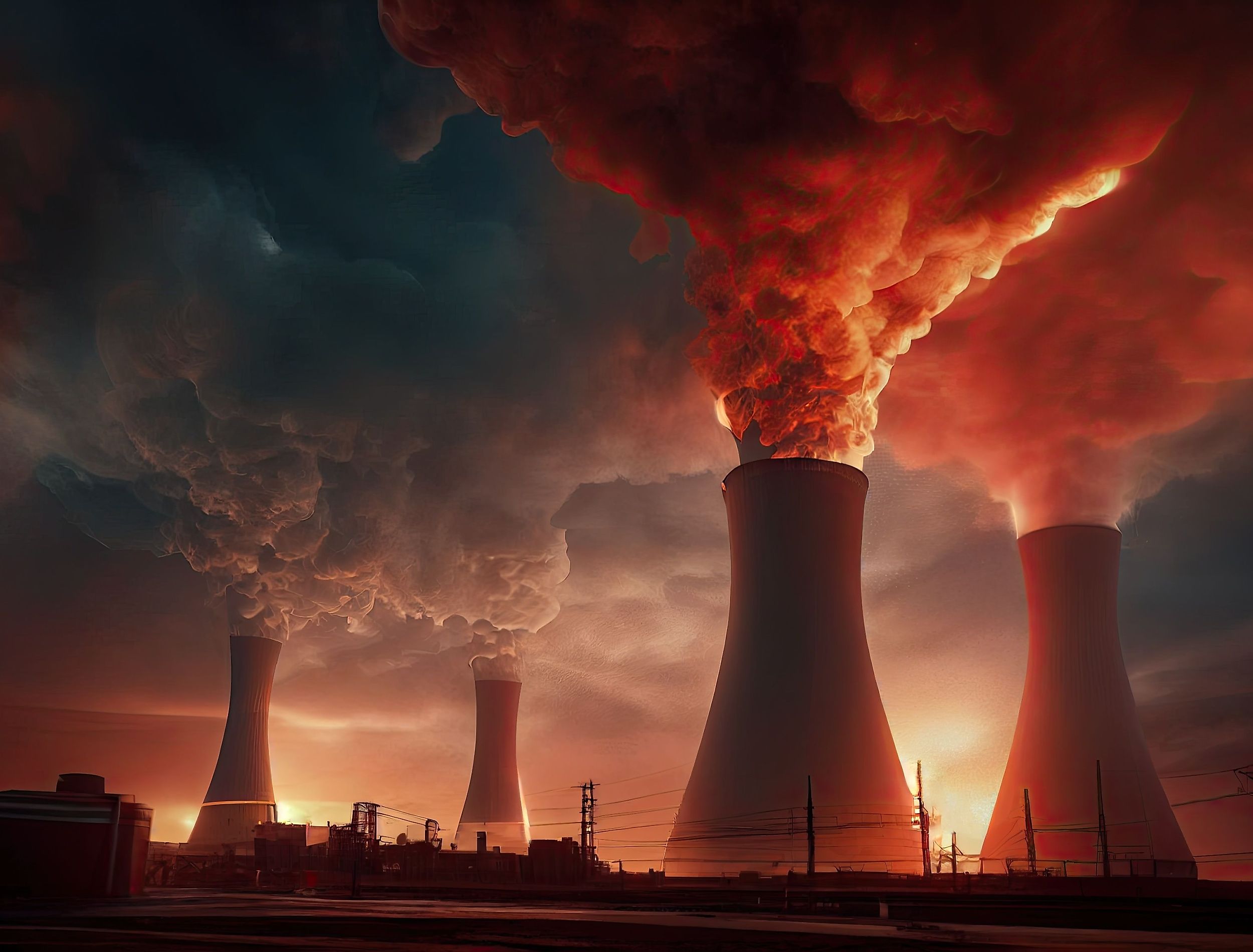
And, of course, there's the risk of accidents. Chernobyl and Fukushima are names that send shivers down spines. These were rare, catastrophic events that released radiation into the environment. The consequences were devastating. It's like that time you tried to bake a cake and accidentally set off the smoke alarm… but on a much, much larger and more serious scale.
The Watery Truth: What About the Fishies?
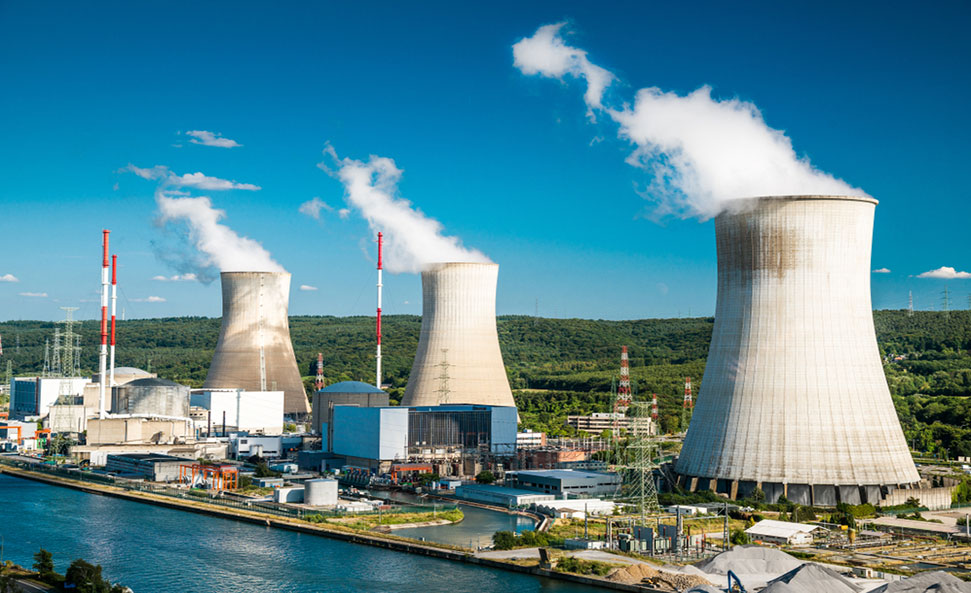
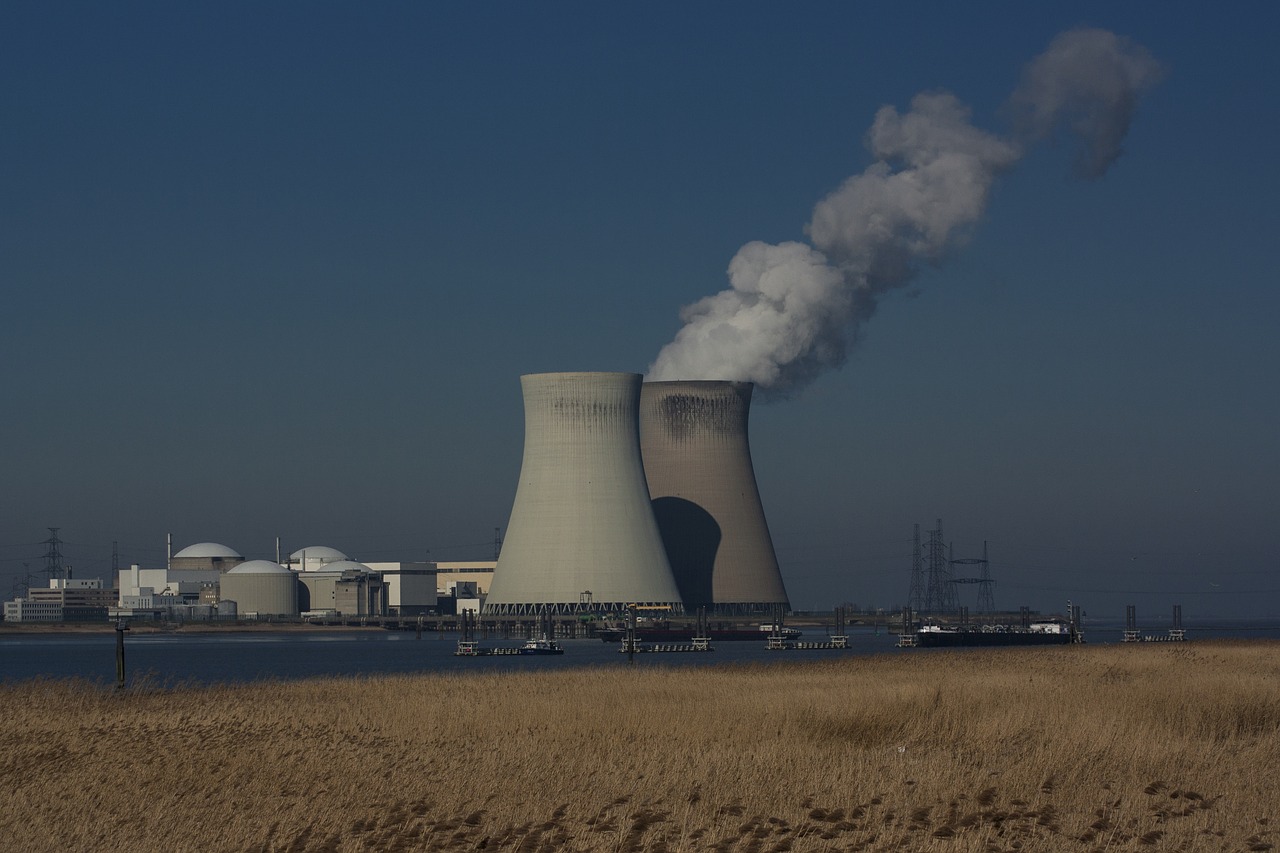
Here's a less talked-about aspect: nuclear power plants use a lot of water for cooling. This water is often drawn from nearby rivers or lakes. After it's used, it's released back, but it can be warmer. This temperature change, called thermal pollution, can harm aquatic life. Imagine jumping into a pool that’s suddenly hotter than a jacuzzi – not fun for the fish!
However, many modern plants have cooling systems to minimize this impact. Some even create artificial wetlands or habitats near the discharge points, turning a potential problem into an opportunity for ecological enhancement. It's like accidentally spilling paint and then turning it into a beautiful mural!
Mining Matters: Uranium's Journey
We can't forget about uranium mining. Getting the fuel for nuclear power involves digging it out of the ground, which can have its own environmental consequences, like habitat destruction and water pollution. However, the amount of land needed for uranium mining is relatively small compared to the land footprint of, say, coal mining. It is more like carefully extracting a precious gem from a small area versus digging up an entire mountain.
So, Are They Good or Bad? (The Grand Finale!)
The truth is, it's complicated! Nuclear power isn't perfect, and it comes with risks. But it also offers a powerful, emissions-free source of energy that could play a crucial role in fighting climate change. We need energy, we need it without polluting the air. This is why we consider nuclear energy.
Here's a way to think about it: imagine you're trying to choose a snack. A candy bar is delicious, but not very good for you. An apple is healthy, but maybe not as satisfying. Nuclear power is like… a really nutritious, slightly weird-looking vegetable. It might not be the most appealing choice at first glance, but it could be exactly what you need to thrive in the long run. It is a tradeoff between benefits and risks.
The future of nuclear power will likely depend on advancements in technology, like new reactor designs that are safer and more efficient, and on finding better ways to manage nuclear waste. It also relies on public perception and political will. Should we invest more in it, or focus on other renewable energy sources? That's a conversation we all need to be part of.
Ultimately, it is important to look at the complete picture and all factors when deciding what is best for the planet and its inhabitants.
So, next time you see a nuclear power plant, don't just think "scary monster." Think of it as a complex and controversial energy source with both serious risks and potential benefits. Maybe it's not an eco-villain after all, but a flawed hero trying to save the world, one electron at a time.