
Are New Constructions Three Phase Or Single Phase

Hey there, sparky! Ever been driving around a new development, all shiny and pristine, and wondered what kind of electricity is powering those perfectly staged living rooms? Are they running on single-phase like your trusty old toaster, or something beefier, like three-phase?
Well, let’s get down to brass tacks (or, should I say, copper wires?). The answer, like most things in life, is: it depends! Dramatic music sting.
Single-Phase: The Homebody of Electricity
For your average single-family home, especially in a residential development, single-phase power is the most common setup. Think of it as the standard, the vanilla ice cream, the… well, you get the picture. It's reliable, relatively inexpensive to install, and perfectly adequate for running your lights, fridge, TV, and even that fancy new air fryer you just bought (don't lie, we all have one!).
Must Read
Single-phase power is like a one-person band. It delivers power in a single alternating current (AC) waveform. Plenty enough for most household needs, right? It's good enough for your washing machine, dryer (gas, of course!), dishwasher, and the multitude of other appliances that have become indispensable in our lives.
Now, don't get me wrong, single-phase isn't weak! It just plays a different game. Imagine trying to power a whole factory with just a single-phase setup; it would be like trying to move a mountain with a wheelbarrow. A very determined wheelbarrow, but still… not ideal.

Three-Phase: The Heavy Hitter
Three-phase power, on the other hand, is the bodybuilder of electrical systems! It's like having three single-phase systems all working together in harmony, delivering a constant and smooth flow of power. No power fluctuation to speak of. This is crucial for larger loads and motors.
Think of it this way: imagine pedaling a bicycle. Single-phase is like pushing one pedal at a time, causing some jerky motion. Three-phase is like having three pedals perfectly timed, resulting in a smooth and powerful ride!
So, where would you find three-phase in a new development? Well, generally, it's reserved for:

- Commercial Buildings: Think strip malls, office buildings, large retail stores. They need to power a lot of equipment!
- Industrial Areas: Factories, warehouses, and any place with heavy machinery will almost certainly use three-phase.
- Larger Apartment Complexes: Sometimes, very large apartment buildings will opt for three-phase to handle the increased power demands of multiple units.
- Community Amenities: The pump house for the community pool? The clubhouse air conditioning system? These may need three-phase.
Basically, anything that needs a serious amount of continuous power is a good candidate for three-phase.
Why the Mix-and-Match?
Why not just give everyone three-phase and be done with it? Cost, mostly! Installing and maintaining a three-phase system is significantly more expensive than single-phase. For a typical house, the extra capacity would be completely wasted. It's like buying a monster truck to drive to the grocery store – totally overkill (though, admittedly, kinda cool). It’s also more complex to wire and maintain, so that could be a consideration.

The developers are strategic. They’ll run three-phase lines where needed to power the larger commercial or community spaces, and then branch off with single-phase to individual homes. It’s the most efficient and cost-effective approach.
So, How Can You Tell?
Unless you’re an electrician or you’re digging around in the utility company's blueprints (please don’t do that!), it can be tricky to tell at a glance. But here are a few clues:
- The size of the electrical panel: Three-phase panels are generally larger and more complex-looking than single-phase panels.
- The meter: Three-phase meters are typically different than single-phase meters. Look for more sophisticated electronic meters.
However, the easiest way to know for sure is to… ask! Talk to the developer, the builder, or your local utility company. They'll be happy to tell you (or at least point you in the right direction).
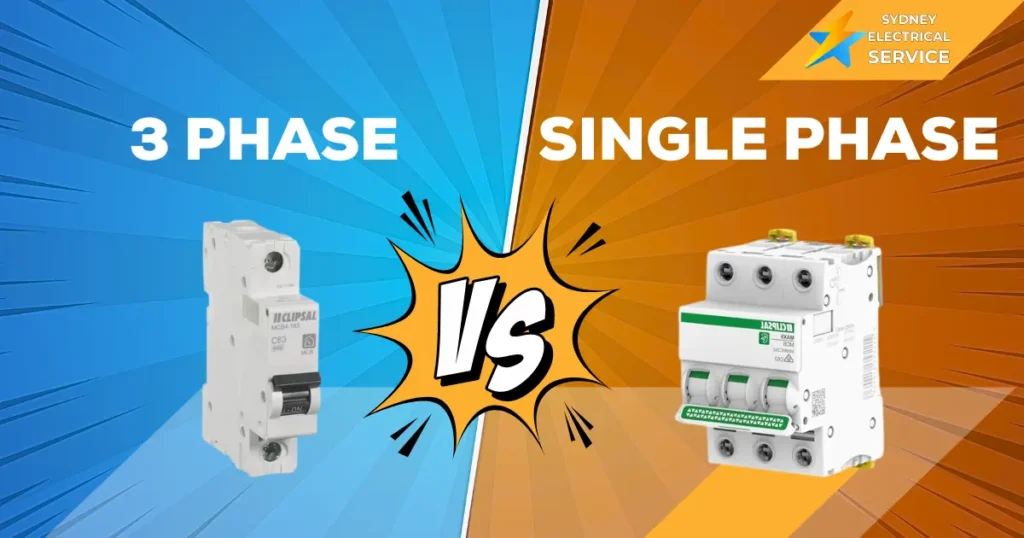
So, there you have it! The electrifying truth about new construction power. While single-phase is usually the name of the game for individual homes, three-phase often lurks in the shadows, powering the bigger, more demanding parts of the development. Think of it as the power couple of the electrical world, working together to keep the lights on and the Netflix streaming.
Isn’t electricity fascinating? Next time you flip a switch, take a moment to appreciate the complex network of wires and transformers that bring power to your fingertips. It’s a modern marvel!
Now go forth and illuminate your world with newfound knowledge (and maybe a slightly higher electricity bill!). Remember, even knowing this tiny bit of information makes you just a little bit brighter! Stay safe, stay powered, and always remember to turn off the lights when you leave the room (unless you have those fancy motion-sensing ones, of course!).