Are Most Dryers Gas Or Electric
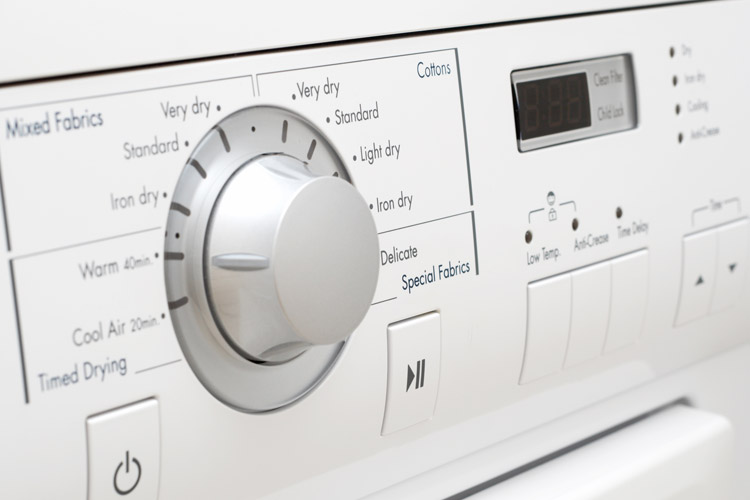
We all have those unsung heroes in our homes, tirelessly working behind the scenes to make our lives a little easier. The humble clothes dryer is certainly one of them. We toss in a wet load, press a button, and minutes later, out come warm, fluffy towels and wrinkle-free shirts. It’s a magic trick we take for granted every week, but have you ever paused to consider the hidden power source making it all happen? It’s a question that sparks a surprising amount of curiosity: Are most dryers gas or electric?
Diving into this everyday mystery isn't just about trivia; it’s an empowering journey for anyone looking to be a more savvy homeowner, a curious hobbyist of practical knowledge, or simply a casual learner eager to understand the mechanics of daily life. For the "home scientist" or the "budget detective," grasping the difference between these two ubiquitous appliances can lead to smarter energy choices, potential savings on utility bills, and a deeper appreciation for how our homes operate. It's about unlocking the secrets of efficiency and making informed decisions that benefit both your wallet and the planet.
So, let's explore the two main contenders. Electric dryers are, by a considerable margin, the more common of the two. Why? Primarily because most homes are already wired with the necessary 240-volt electrical outlet (often a dedicated circuit), making installation relatively straightforward and generally less expensive upfront. They heat clothes using electric coils, much like a giant hairdryer for your laundry. On the other hand, gas dryers, which primarily run on natural gas or propane, heat clothes with a gas burner. While they require a gas line connection in addition to a standard 120-volt electrical outlet (for the drum, lights, and controls), they often boast faster drying times and, depending on local utility rates, can be more economical to operate in the long run due to natural gas typically being cheaper than electricity per therm or kilowatt-hour. The prevalence can also vary geographically, with certain regions leaning towards one over the other based on established infrastructure and energy costs. There's even a newer, more energy-efficient player in town, the ventless heat pump dryer, though they're still carving out their niche!
Must Read
Ready to uncover which type of dryer you have, or simply curious about the dryers around you? Here are a few fun tips for trying your hand at "home appliance detective work":
- Examine your own dryer: Take a peek behind it. An electric dryer will have a thick, heavy-duty 3- or 4-prong plug designed for a 240V outlet. A gas dryer will have a standard 120V plug (like any other appliance) PLUS a flexible gas line connected to the wall.
- Check your utility bills: Do you have a line item for natural gas or propane? If so, you likely have gas appliances, which could include your dryer.
- Ask your landlord or a knowledgeable neighbor: It’s a great conversation starter and an easy way to get quick insight!
- Consult the owner's manual: If you still have it, the specifications section will clearly state the dryer's power source.
There's a quiet joy in understanding the seemingly mundane mechanisms of our world. Becoming more informed about the appliances we use daily isn't just practical; it's a small, empowering step towards being a more engaged and efficient participant in your home environment. So, the next time your laundry is tumbling away, you’ll not only appreciate the dry clothes but also the fascinating "how" behind the magic – whether it's the efficient flame of gas or the powerful hum of electricity!