Are Hybrid Vehicles Better For The Environment

Okay, let's talk about hybrids! Why? Because, well, cars are pretty much everywhere, and they have a big impact on our planet. We're all hearing more and more about climate change, and transportation is a major piece of that puzzle. Figuring out which types of cars are kinder to the environment isn't just some academic exercise – it's about making informed choices that can actually make a difference. Plus, let's be honest, understanding how these things work is just plain interesting!
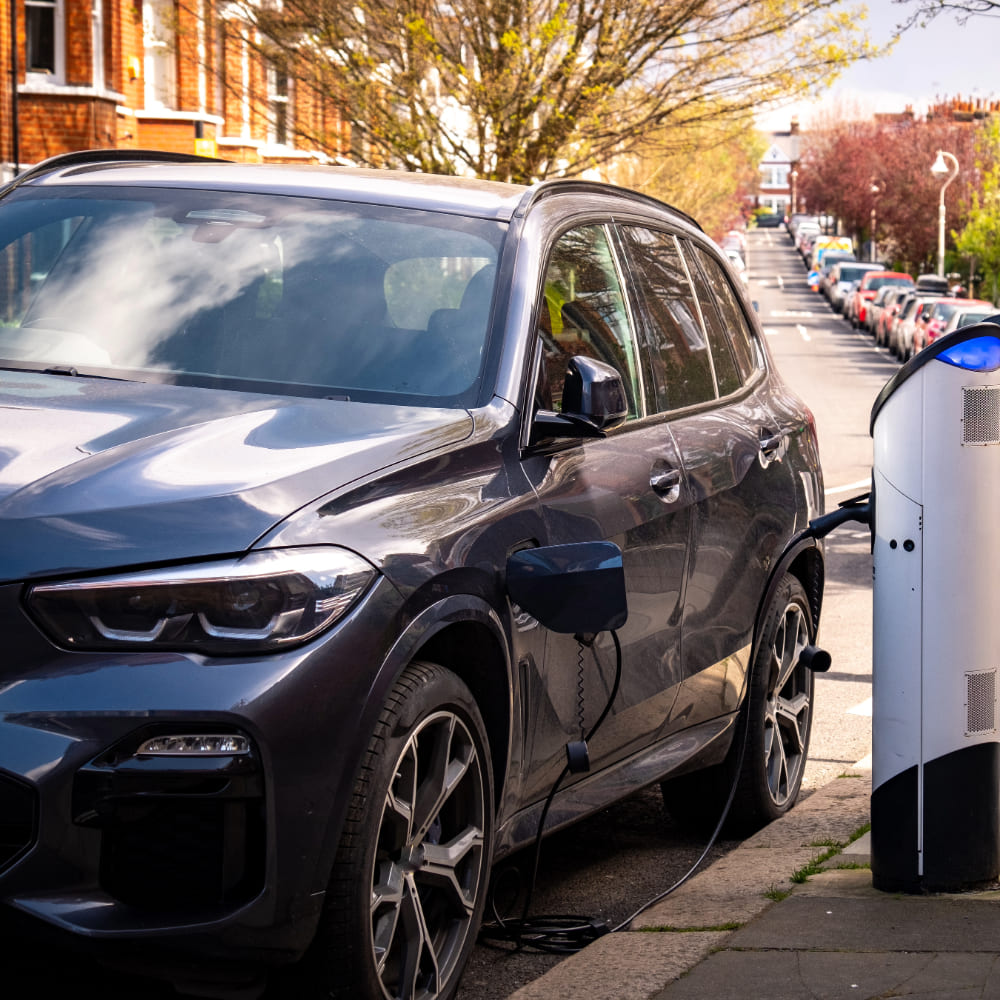
So, are hybrid vehicles actually better for the environment? The short answer is usually, yes, but with a few important caveats. A hybrid vehicle, in its most basic form, combines a traditional internal combustion engine (ICE) with an electric motor and a battery. The purpose is simple: to improve fuel efficiency and reduce emissions compared to a purely gasoline-powered car. Hybrids achieve this by using the electric motor for low-speed driving, assisting the gasoline engine during acceleration, and recovering energy during braking through a process called regenerative braking. This energy is then used to recharge the battery.
The benefits are fairly clear. First, hybrids typically get significantly better gas mileage. Less gasoline burned means fewer greenhouse gas emissions released into the atmosphere. Second, because the electric motor handles some of the workload, the gasoline engine doesn't have to work as hard, potentially extending its lifespan. Third, many hybrids can operate in all-electric mode for short distances, further reducing emissions, especially in urban environments. However, the exact environmental benefits depend on factors like the size of the hybrid, the type of hybrid (mild, full, or plug-in), and how it's driven.
Must Read
You'll see hybrids in action all over the place. In education, some universities are incorporating hybrid vehicles into their automotive technology programs, teaching students about the intricacies of these systems and preparing them for the future of transportation. In daily life, think about ride-sharing services; you'll often spot hybrid cars being used by drivers who want to save money on fuel and reduce their environmental footprint. Many families choose hybrids as their everyday vehicles because of the fuel efficiency and reliability.
Want to explore this topic further? Here are a few practical tips: First, do some online research! Websites like the EPA's FuelEconomy.gov offer detailed information about the fuel efficiency and emissions ratings of various vehicles, including hybrids. Second, if you're considering buying a car, take a hybrid for a test drive. See how it feels to drive and compare its fuel efficiency to a traditional gasoline-powered car. Third, pay attention to the news and read articles about the latest developments in hybrid and electric vehicle technology. The field is constantly evolving, and there's always something new to learn. And finally, consider your own driving habits. If you mostly drive short distances in the city, a plug-in hybrid might be a great option for maximizing electric driving. Understanding your needs is key to making the most environmentally conscious choice. So, go forth and explore the world of hybrids – it's a fascinating and important topic!