Are Hurricanes Getting Stronger And More Frequent
Hurricanes. The very word conjures images of swirling clouds, torrential rain, and the raw power of nature unleashed. They're a staple of disaster movies, a frequent topic on the news, and a source of endless fascination (and, let's be honest, a little anxiety) for those living in coastal regions. But lately, the question on everyone's mind isn't just about preparing for hurricane season, it's about whether these storms are becoming more intense and happening more often. Are we facing a future of super-charged cyclones battering our coastlines?
Understanding the science behind hurricanes, and the potential influence of climate change, isn't just for meteorologists. For artists, knowledge about the atmosphere can inspire breathtaking visuals – think powerful seascapes or abstract representations of storm systems. Hobbyists can benefit by gaining a deeper appreciation for the forces that shape our world, becoming more informed observers of nature. And for casual learners, understanding the nuances of hurricane formation and behavior provides a crucial context for the news we consume and the decisions we make about our communities.
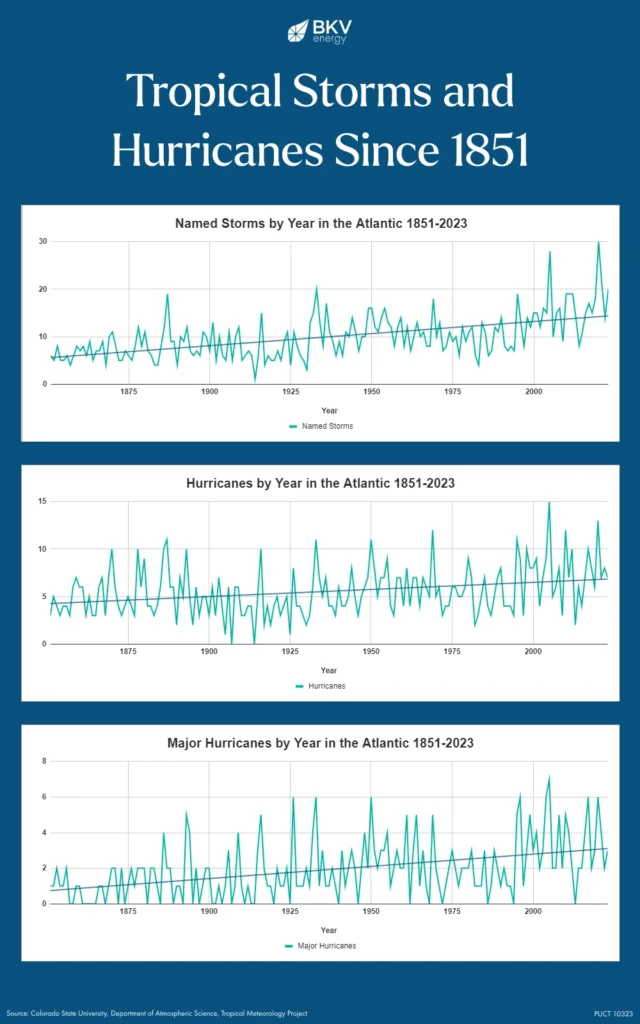
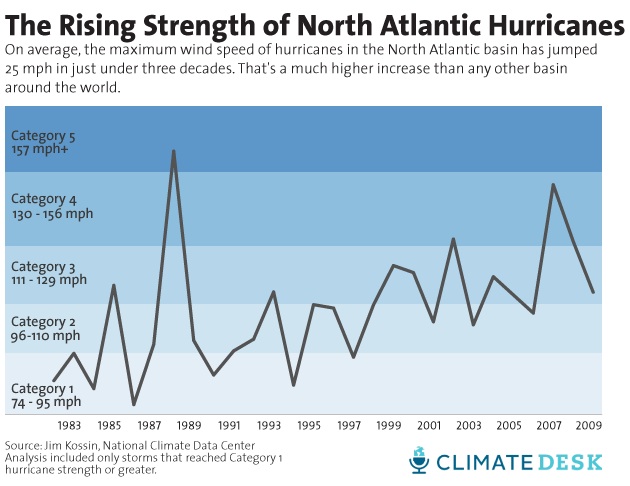
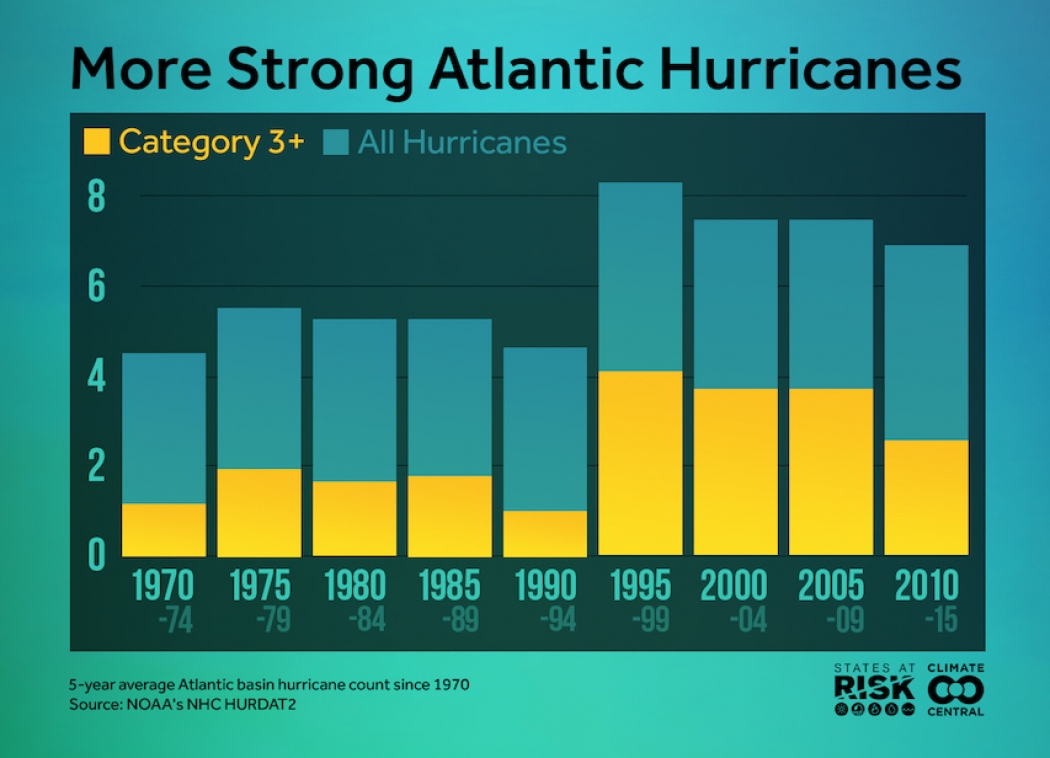
So, are hurricanes getting stronger and more frequent? The answer, like a hurricane's path, is complicated. Scientists have a high degree of confidence that hurricanes are indeed getting stronger on average. A warmer atmosphere can hold more moisture, which fuels these storms. Also, warmer ocean temperatures provide more energy for hurricanes to intensify. This often translates to higher wind speeds and more intense rainfall. Think of Hurricane Harvey in 2017, which stalled over Texas and dropped unprecedented amounts of rain. Or the rapid intensification of Hurricane Ian in 2022, which caught many off guard. These events highlight the increasing potential for extreme weather impacts.
Must Read
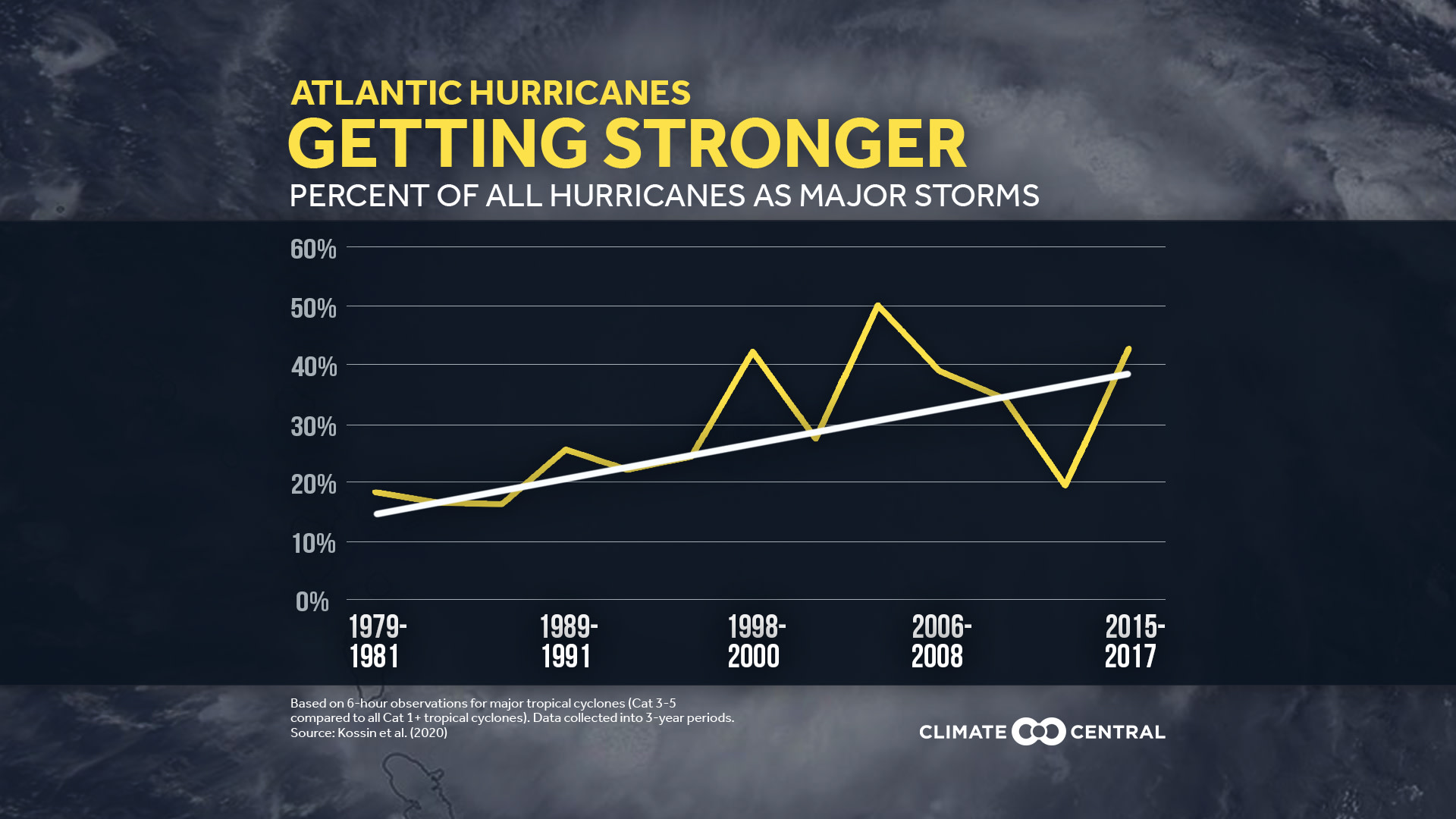
However, the question of frequency is more debated. Some studies suggest that while the total number of hurricanes might not be increasing significantly, the proportion of intense hurricanes (Category 4 and 5) is rising. This means we might not see more storms overall, but the ones that do form could be significantly more devastating. There are also regional variations. Some areas may experience increased hurricane activity, while others might see a decrease. The influence of natural climate cycles, like El Niño and La Niña, also plays a role in modulating hurricane activity.
Want to learn more about hurricanes from the comfort of your home? Start with reputable sources like the National Hurricane Center (NHC) or NOAA (National Oceanic and Atmospheric Administration). Many universities and research institutions offer online courses or webinars on atmospheric science and climate change. You can also find engaging documentaries and videos that explain the science behind these storms. Don't be afraid to dive into the data! Explore historical hurricane tracks, rainfall amounts, and wind speeds to gain a better understanding of their behavior. Remember to always consult multiple sources and be critical of information you find online.
Ultimately, learning about hurricanes is enjoyable because it connects us to the natural world in a profound way. It allows us to appreciate the immense power of nature while also understanding the factors that contribute to these events. By becoming more informed about hurricanes, we can be better prepared for their impacts and contribute to a more resilient future. Moreover, understanding the complexities of climate change and its potential effects on extreme weather events empowers us to engage in meaningful conversations and advocate for responsible environmental policies. So, embrace the challenge, delve into the science, and discover the fascinating world of hurricanes!