
Are Gas Stoves More Dangerous Than Electric
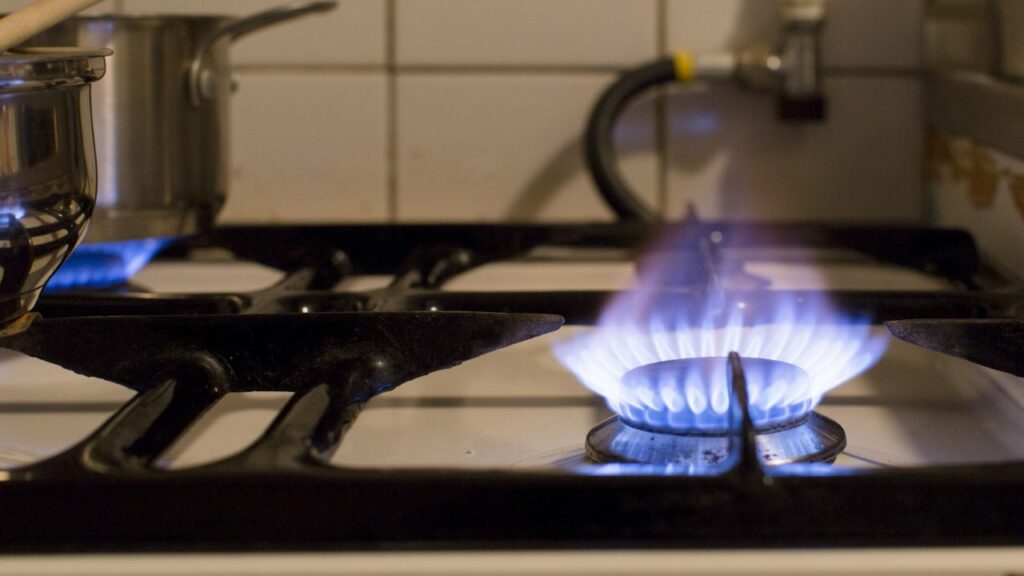
Okay, so picture this: I'm whipping up my famous (well, famous in my apartment) late-night grilled cheese. Suddenly, I get this whiff... not of delicious melting cheddar, but something kinda... off. Like a faint chemical smell. I check the burner. It's on, but the flame is all wonky, dancing around with a weird orange glow. Cue mild panic and a frantic Google search: "weird smell gas stove." Turns out, funky flames aren't a good sign. But it got me thinking… is this gas stove actually trying to off me slowly? Hence, today’s burning question (pun intended): Are gas stoves really more dangerous than electric?
Let's be real, for years we’ve just accepted gas stoves as the culinary norm. That lovely blue flame, the instant heat, the "chef-y" vibe. But recently, there's been a lot of buzz (and by buzz, I mean scary news reports) about the potential health risks of cooking with gas. So, let's dive in. Prepare for some potentially unsettling truths...or maybe not? We'll see!
The Case Against Gas: It's Not Just About the Flame
The main concern with gas stoves revolves around the fact that they release pollutants like nitrogen dioxide (NO2), carbon monoxide (CO), and formaldehyde (HCHO) into your kitchen air. Now, these aren't great for you. NO2, for example, can irritate your lungs and worsen respiratory conditions like asthma. Especially in kids.
Must Read
Think about it: You're in a (probably) relatively small kitchen, burner blazing, and these gases are just… hanging out. Over time, these pollutants can build up, potentially leading to all sorts of health problems. It’s kind of like passively smoking… but with your dinner.
And here's a kicker: studies have linked gas stove use to a higher risk of childhood asthma. That’s pretty alarming, right? Some reports even suggest that gas stoves are contributing to indoor air pollution levels comparable to those found near busy highways. Yikes.
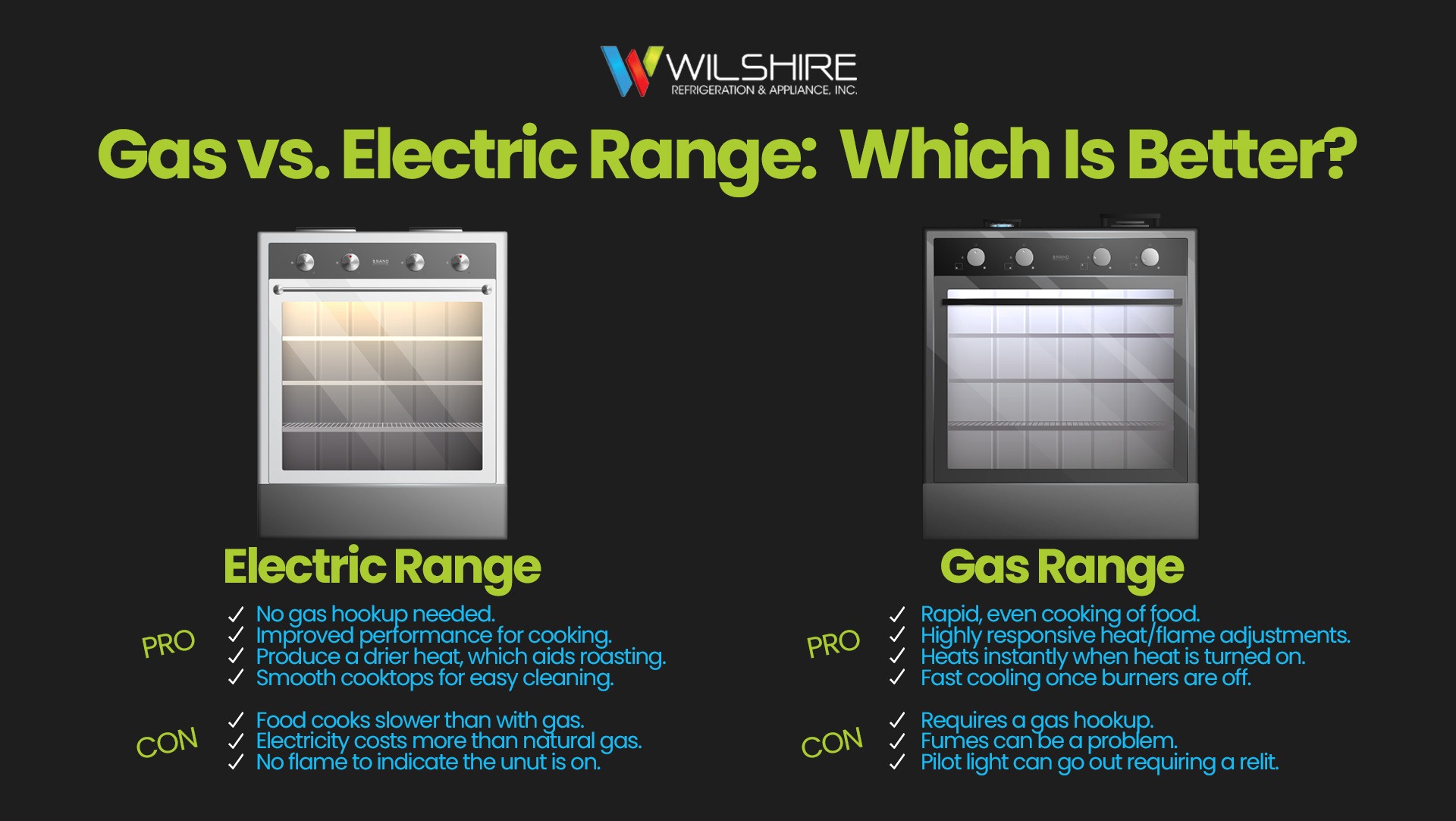
But wait! Before you rip out your gas stove and start grilling over an open fire (please don’t), let's look at the other side.
Electric Avenues: Not Always a Clear Winner
Electric stoves, on the other hand, don't directly emit those same pollutants into your kitchen. Score one for the electric team, right? Well, not so fast. Electric stoves have their own set of potential downsides.
For starters, older electric coil stoves can be… inefficient. They take longer to heat up, and the temperature control can be less precise. Ever try to simmer something on a coil stove? Good luck not burning it to a crisp.
Induction stoves are the fancy electric option, and they offer much better temperature control and faster heating. But they require special cookware (boo!), and they're often pricier than their gas counterparts. (Double boo!). Plus, they still rely on electricity, which, depending on your region, could be generated from… you guessed it, fossil fuels. So, in a way, even electric stoves can indirectly contribute to pollution.

And let's not forget about potential exposure to electromagnetic fields (EMFs) from electric appliances. Some people are more sensitive to these than others. While the science on the long-term health effects of EMFs is still evolving, it's something to consider.
So, Who Wins the Battle of the Stoves?
Honestly, there's no simple answer. It really depends on a bunch of factors, including:

- How well ventilated your kitchen is: A good range hood can make a HUGE difference in removing pollutants from a gas stove.
- How often you cook: Occasional grilled cheese enthusiasts (like yours truly) are probably at less risk than professional chefs.
- Your existing health conditions: People with asthma or other respiratory issues might be more susceptible to the negative effects of gas stoves.
- The type of electric stove you're considering: Induction is generally considered the more energy-efficient and safer option compared to older coil models.
Bottom line? Both gas and electric stoves have their pros and cons. The best option for you depends on your individual circumstances and priorities.
My take? Invest in a good range hood, regardless of what kind of stove you have. Proper ventilation is key to minimizing indoor air pollution. And maybe… just maybe… I’ll start making my grilled cheese outside on a portable electric grill. Just kidding... mostly.
Do your research, weigh the risks and benefits, and choose the stove that best suits your needs. And hey, whatever you cook, remember to enjoy it!