
Are Bronze And Brass The Same
Okay, so picture this: I'm rummaging through my grandpa's dusty old workshop the other day, you know, the kind of place where time itself seems to have taken a nap. I stumble upon this forgotten trinket – some oddly shaped, slightly tarnished but still kind of shiny, metallic thing. I grab a rag, give it a good polish, and it gleams back at me with a warm, yellowish glow. Immediately, my brain goes, "Is this gold? Probably not, I'm not that lucky."
But then, the real head-scratcher hits: "Is it bronze? Or maybe brass? Wait, are they even different?!"
Sound familiar? My guess is you’ve probably had a similar moment of metallic confusion, maybe with an antique lamp, a piece of jewelry, or even just trying to sound smart at a museum. We often toss around "bronze" and "brass" like they're interchangeable twins in the metal family, right?
Must Read
Well, dear reader, get ready for a little mind-unraveling, because today we're diving deep into this shiny enigma. And spoiler alert for those of you already on the edge of your seats: they are absolutely, unequivocally, not the same!
Brass: The Bright & Zippy One
Let's start with brass. Think of brass as the life of the party, the one that’s bright, cheerful, and loves to make music. Brass is primarily an alloy of copper and zinc. Yep, those two are the main ingredients in its metallic cocktail.
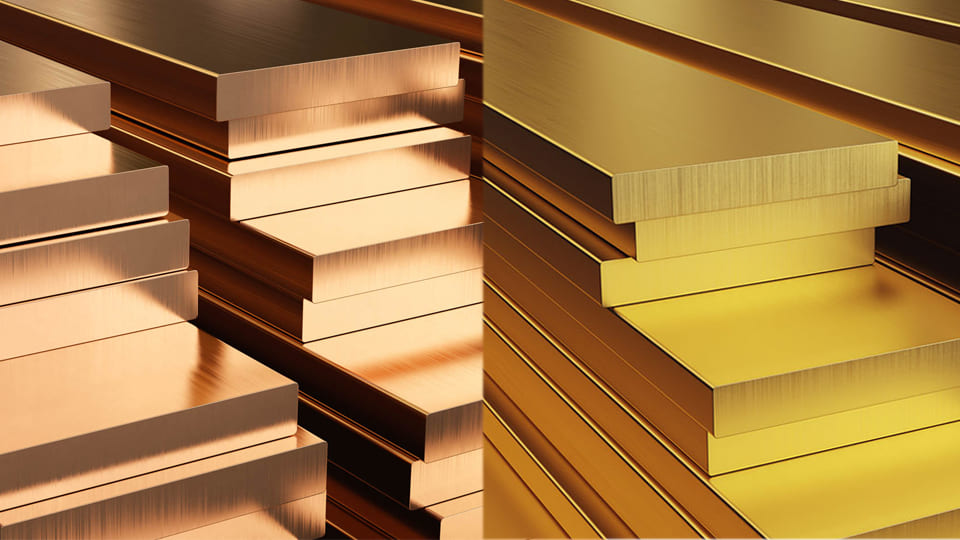
Because of this specific blend, brass tends to be a bit yellower, often quite bright and gleaming when polished. It’s also super malleable, meaning it’s pretty easy to shape and work with without breaking. This makes it fantastic for things like:
- Musical instruments (hello, trumpets, trombones, and French horns!).
- Decorative items (think fancy door handles, ornate railings, or antique bed frames).
- Plumbing fixtures (because it's fairly resistant to corrosion).
So, next time you see a gleaming saxophone or a beautifully polished doorknob with a definite yellowish hue, you're likely looking at brass. It’s got that vibrant, almost gold-like appeal without being, you know, actual gold. A bit of a metallic chameleon, you could say!
Bronze: The Strong & Stoic One
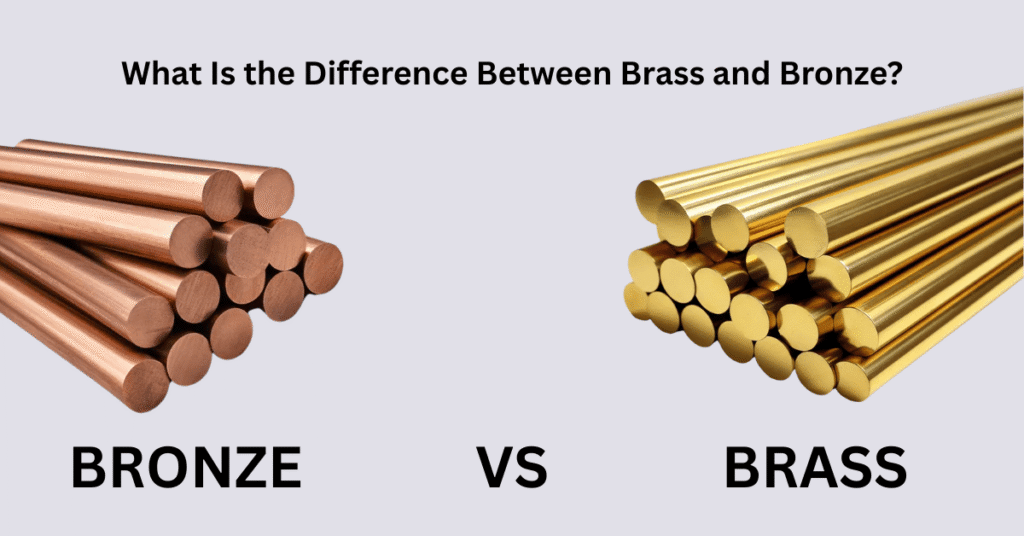
Now, let's talk about bronze. If brass is the jazz musician, bronze is the stoic, ancient warrior. Bronze is also an alloy, but its primary components are copper and tin. See the difference already? Zinc for brass, tin for bronze. This is the crucial distinction.

This different composition gives bronze entirely different characteristics. It's generally much harder, stronger, and more durable than brass. In terms of appearance, bronze usually has a deeper, more reddish-brown hue. And over time, it often develops that characteristic green patina that you see on old statues (think the Statue of Liberty!).
Bronze has a seriously impressive resume, historically speaking:
- It literally kickstarted an entire era: the Bronze Age!
- It's been used for tools, weapons, and armor for millennia.
- Today, you'll find it in grand statues, church bells (known for their resonant sound!), ship propellers, and even some very durable industrial parts.
When you're admiring a powerful, aged statue that's stood the test of time, chances are you're gazing upon the enduring beauty of bronze.
The Nitty-Gritty: Composition is King!
So, to recap the absolute core difference, because this is the takeaway you need to remember:
- Brass = Copper + Zinc
- Bronze = Copper + Tin
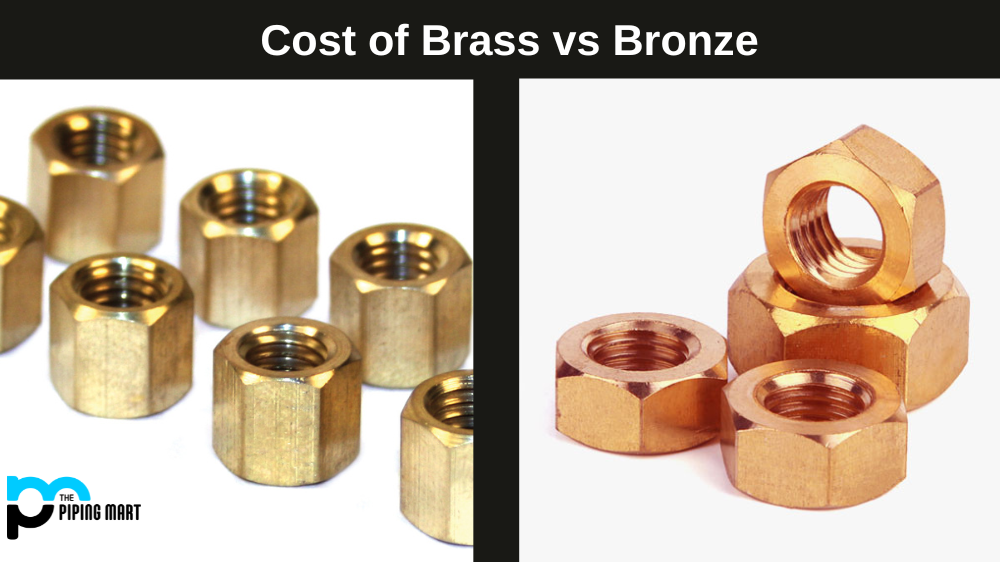
It's that simple, but also that significant! This isn't just a slight color variation; we're talking fundamentally different chemical recipes that give them distinct properties and uses. Brass is generally more malleable and has a brighter, yellower sheen, while bronze is harder, more durable, and has a deeper, reddish-brown color that patinas beautifully.
So, Why Does Everyone Get It Wrong?
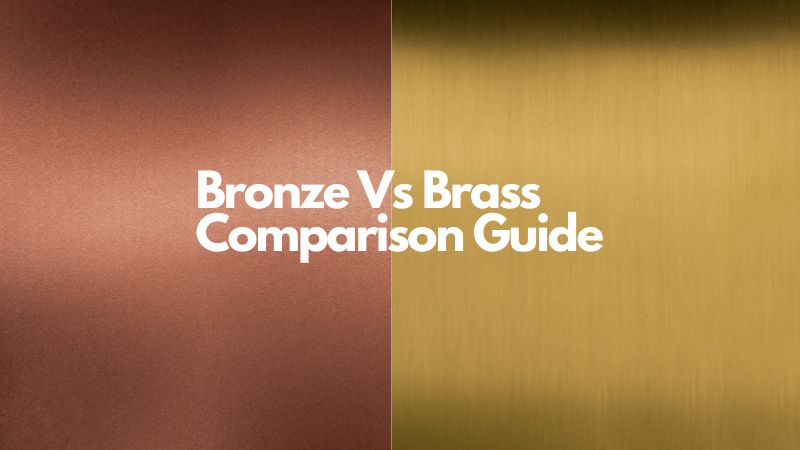
Honestly, it’s understandable why the confusion reigns. Both are copper alloys, so they share some visual similarities, especially when unpolished or tarnished. Plus, some modern alloys blur the lines, with terms like "architectural bronze" sometimes actually referring to a type of brass.
It's like mistaking a lemon for an orange because they're both citrus and, well, round-ish. Close, but fundamentally different once you peel back the layers (or, in this case, look at the molecular structure!).
But now, you know the secret! You're officially armed with the knowledge to impress (or mildly annoy, depending on your audience) your friends and family with your superior metal wisdom. No more guessing games in grandpa's workshop!
So, next time you're admiring a gleaming statue or tapping a resonant bell, you'll know exactly which metallic marvel you're looking at. Pretty cool, right? Go forth and identify metals with confidence, my friend!