
Are 3d Printers Hard To Use

Picture this: you're scrolling through a feed, and suddenly, a perfectly crafted little gadget or a stunning piece of custom decor pops up. The creator mentions, almost casually, "Oh, I just 3D printed it!" Immediately, your mind might conjure images of complex machinery, blinking lights, and a steep learning curve that only engineering wizards could master. But here's the juicy question we're tackling today: are 3D printers actually hard to use?
Let's be real, the futuristic vibe of 3D printing has always made it seem like something straight out of a sci-fi movie – remember the replicator from Star Trek? While the concept still feels a little bit like magic, the reality on your desktop is far less intimidating than you might think. In fact, if you can assemble flat-pack furniture or follow a YouTube cooking tutorial, you're probably already equipped with the patience and curiosity needed.
The Evolution of Easy-Peasy Printing
Think back to early computers. Clunky, code-heavy, and definitely not for the faint of heart. Now, glance at your sleek smartphone. That's the kind of evolution 3D printers have undergone, albeit in a shorter span. Early machines were indeed a project in themselves, requiring extensive calibration and technical know-how. But today? Many entry-level printers are practically plug-and-play.
Must Read
A huge part of this simplification comes from manufacturers focusing on the user experience. You'll find printers that come pre-assembled, with features like auto-bed leveling (no more fiddling with screws to get your print surface just right!) and intuitive touchscreens. It’s less like building a rocket and more like setting up a new coffee maker – a few steps, and you’re brewing… or rather, printing.
Demystifying the "Hard" Bits
Okay, so what about the supposed hurdles? Let's tackle them head-on:
1. Setup and Calibration: Less Dread, More "Done!"
Gone are the days of spending hours adjusting every single setting. Modern printers often guide you through the process with on-screen prompts, much like setting up a new game console. Many beginners are pleasantly surprised by how quickly they can get their first print going. "My first print was a tiny calibration cube," my friend told me, "and it worked perfectly. I felt like a genius!"
2. Software: Your Digital Crafting Table
Before your printer can do its thing, you need to "slice" a 3D model. This means using software (called a slicer) to convert your digital design into instructions the printer understands. This might sound complex, but programs like Cura or PrusaSlicer are incredibly user-friendly. They come with pre-set profiles for popular printers and materials, so you often just load your model, choose a quality setting, and hit "slice." It’s a lot like adjusting settings in a photo editor – intuitive once you know what a few buttons do.
3. Troubleshooting: It's Part of the Journey
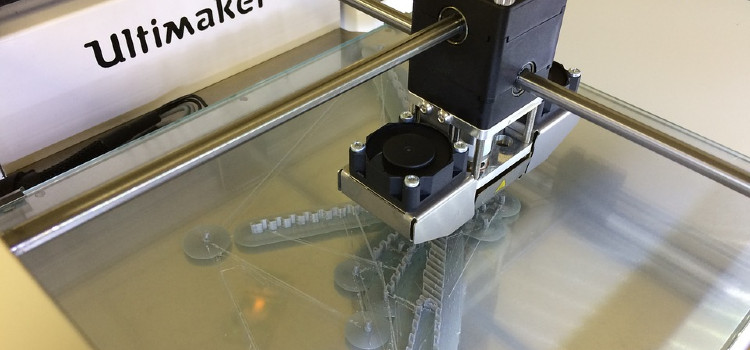
Will every print be perfect the first time? Probably not, and that's okay! Think of it like baking a new cake recipe. Sometimes it's a masterpiece, sometimes it sinks in the middle. The beauty of the 3D printing community is its vibrancy. Online forums, Reddit communities (r/3Dprinting is a treasure trove!), YouTube tutorials, and even manufacturer support pages are brimming with solutions to almost any problem you could encounter. Learning to diagnose a clogged nozzle or adjust your print speed feels less like a chore and more like solving a fun puzzle.
The Joy of Making: Where It Gets Really Easy (and Fun!)
So, where does the ease truly shine? In the creation itself!
- Ready-to-Print Models: Don't want to design your own? Websites like Thingiverse, Printables, and MyMiniFactory offer millions of free, user-submitted 3D models. From practical cable organizers to quirky desk toys, intricate cosplay props, and even replacement parts for household items – you just download, slice, and print! It's like an endless Etsy for digital files.
- Practical Problem Solving: Ever needed a specific hook for your headphones or a custom adapter for a weird cable? Print it! The satisfaction of creating something tailor-made for your exact need is incredibly rewarding. It's empowering to be able to fix small annoyances around the house without waiting for a package to arrive.
- Personalized Gifts & Decor: Imagine printing a custom cookie cutter with a friend's initial, or a unique vase that perfectly matches your home aesthetic. 3D printing opens up a world of personalization that mass-produced items just can't touch.
In essence, 3D printers today are less like arcane relics and more like sophisticated, yet approachable, tools for creativity. While there's always a learning curve with any new hobby, the current generation of printers has flattened that curve significantly, making it accessible to pretty much anyone with a bit of curiosity and a desire to make something tangible.
So, are 3D printers hard to use? The short answer is: much less than you think. They’re no longer just for the tech elite. They’re for the crafters, the problem-solvers, the curious minds, and anyone who gets a kick out of bringing an idea from their imagination into the real world. It's a journey of discovery, a touch of modern magic, and a wonderfully empowering way to add a bit more "you" to your daily life.
