
Anodisation Type Ii Vs Type Iii
Alright, settle in, grab another imaginary espresso, because today we’re diving headfirst into a topic that sounds drier than a desert bone but is, I promise you, secretly fascinating and frankly, pretty hilarious. We're talking about anodizing, specifically Type II versus Type III. If you've ever wondered why your fancy phone feels so premium, or why that tactical flashlight could probably survive a zombie apocalypse, you're about to find out.
What on Earth is Anodizing Anyway?
First things first, let's demystify. Anodizing isn't some ancient alchemical process, though it feels a bit like magic. It’s an electrochemical treatment that basically gives aluminum a super-tough, corrosion-resistant, and often colorful skin. Think of it like giving your aluminum gadget a tiny, microscopic suit of armor, but instead of spandex, it’s a ceramic-like layer that’s literally grown out of the metal itself. Mind blown yet? It’s not a coating that sits on top; it’s the aluminum saying, "I choose to be stronger!"
And here's a fun fact to impress your friends at your next soirée: Anodizing is called "anodizing" because the part being treated forms the anode in an electrolytic cell. See? Science! But don't worry, we won't be needing lab coats for this discussion, just a healthy dose of curiosity and perhaps a strong desire to differentiate your durable hiking pole from your stylish pen.
Must Read
Meet Type II: The Stylish Socialite
Let's kick things off with Type II, also known as "Sulfuric Acid Anodize." If anodizing were a party, Type II would be the chic, brightly dressed socialite gliding around with effortless charm. This is your go-to for most everyday items where you want a beautiful finish and decent protection.
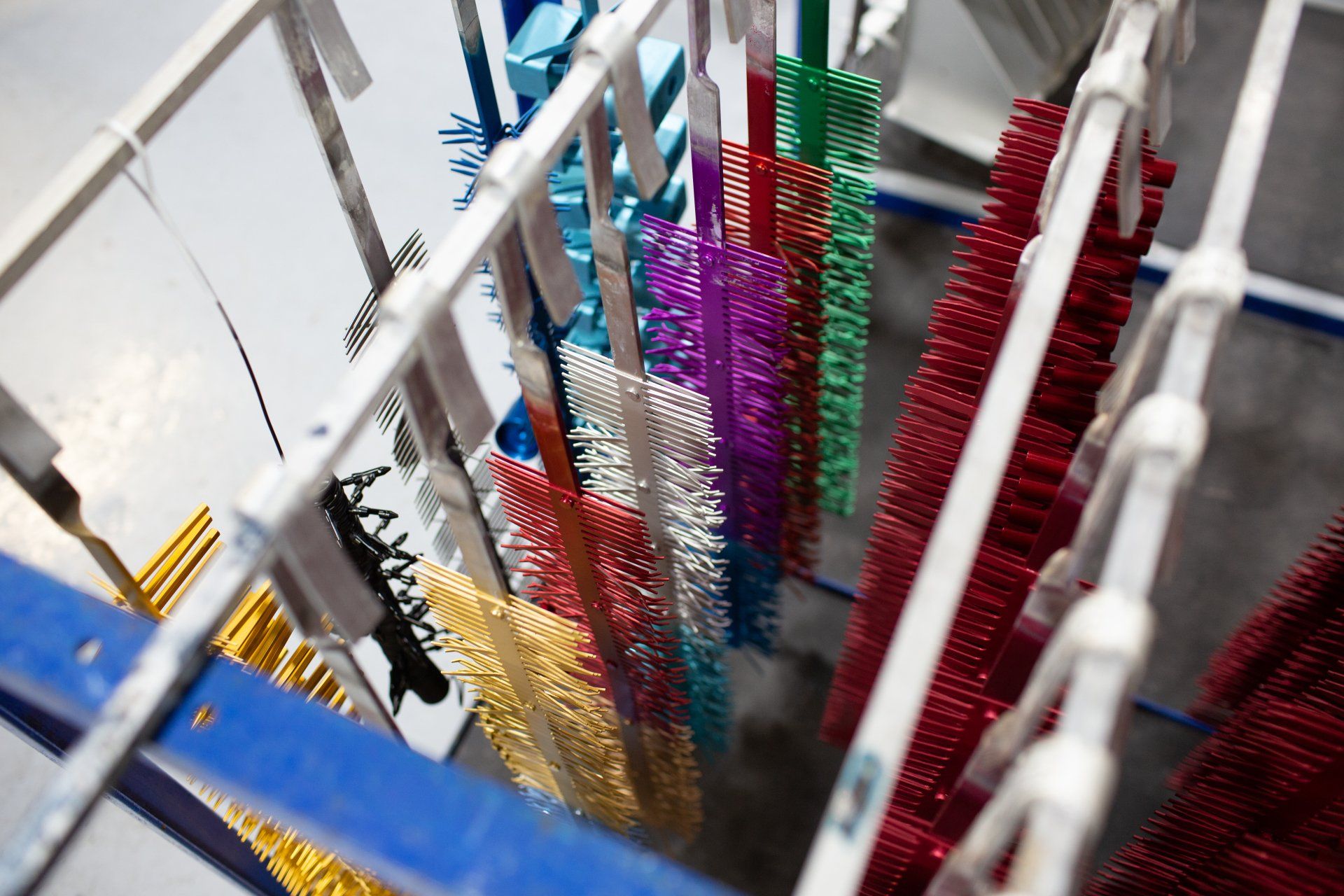
Type II produces a relatively thinner, smoother anodic layer. This thinness allows for a stunning array of colors. We're talking vibrant blues, fiery reds, deep purples, and glossy blacks – basically, if you can imagine a color, Type II can probably pull it off. That snazzy anodized phone case, your colorful camping mug, or even that cool yo-yo from your childhood? Type II, baby! It offers good abrasion and corrosion resistance, making it perfect for products that need to look great and withstand the occasional bump and scrape without dissolving into dust.
Now, Introducing Type III: The Armored Adventurer
Alright, buckle up, buttercup, because Type III is where things get serious. This one's officially called "Hardcoat Anodize" or "Hard Anodize," and it's the gruff, grizzled veteran of the anodizing world. If Type II is a sleek sports car, Type III is a military-grade tank.
Type III processes create a significantly thicker and much harder anodic layer. We're talking layers that can be two to three times thicker than Type II, grown under different conditions (usually colder temperatures and higher voltage, because even aluminum needs to chill out to get tough). This extra girth and density translates directly into phenomenal wear resistance and extreme durability. Forget scratches; Type III probably laughs at sandpaper and uses diamond dust as moisturizer.
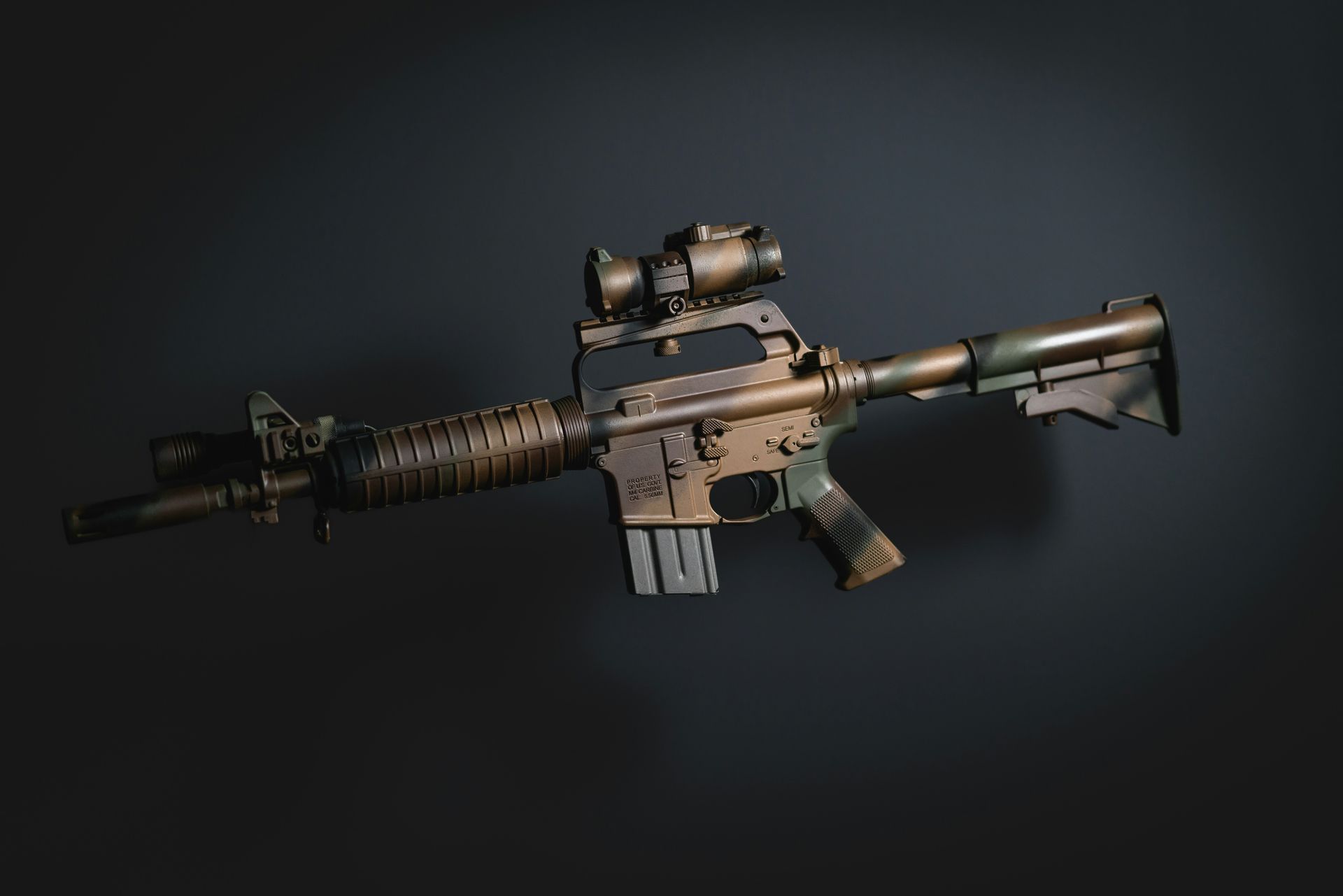
The trade-off for this superhero strength? Color. While Type III can be dyed, its natural color tends to be earthier – think olive drab, bronze, or charcoal grey. The thicker oxide layer makes it harder for dyes to penetrate evenly and brightly. So, if you see a piece of gear that's super tough and has a slightly muted, earthy tone, chances are it's rocking Type III. Think tactical gear, aerospace components, industrial parts, and high-performance outdoor equipment. This stuff is built to survive the apocalypse and probably still look good doing it (in a rugged, "I've seen things" kind of way).
The Great Showdown: II vs. III – Who Wins? (It Depends!)
So, which one is better? It's like asking if a spoon is better than a fork. They both serve a purpose! Here’s the quick-and-dirty comparison:
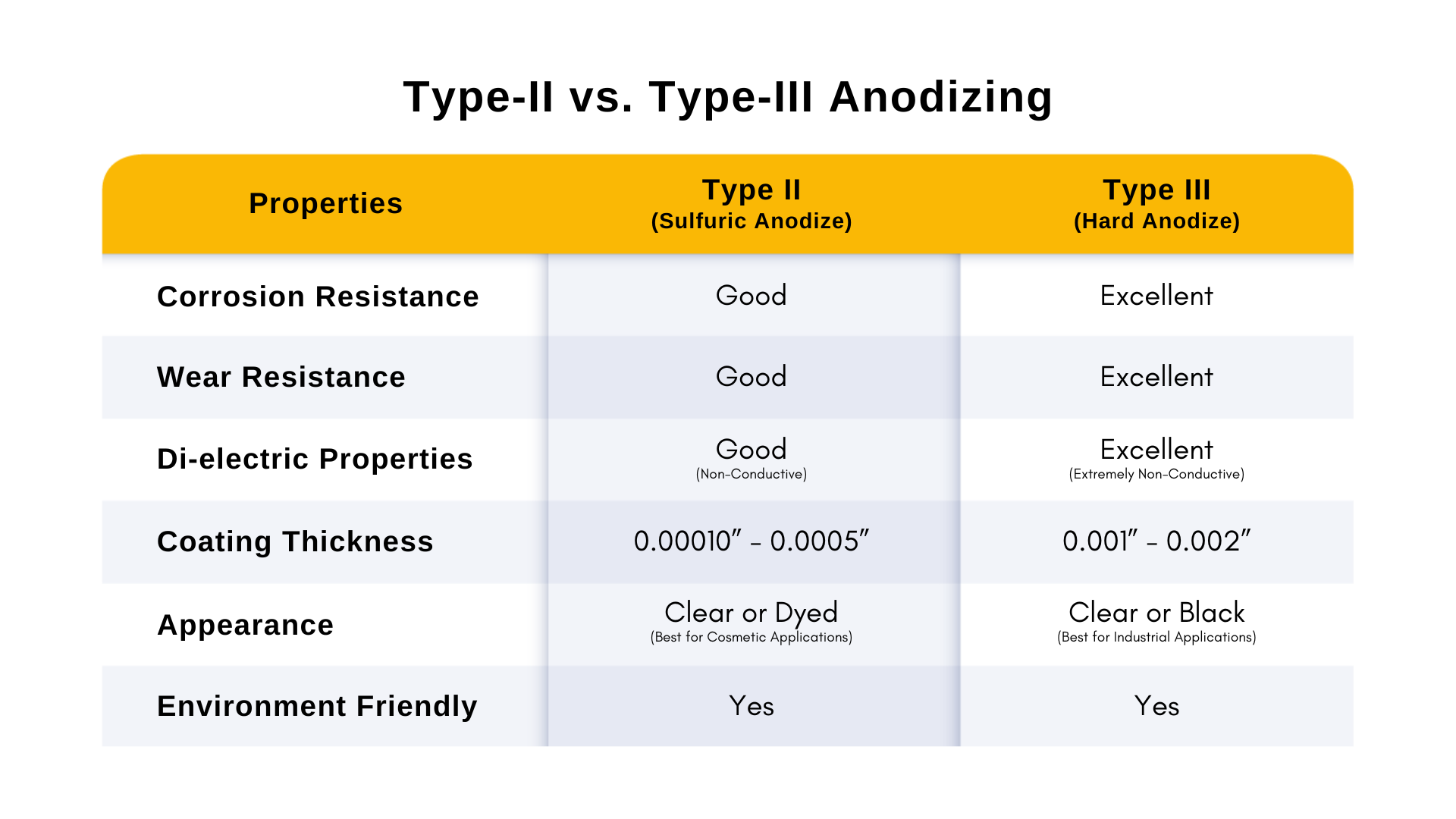
Thickness: Type II is thinner (typically 0.0002-0.001 inches), Type III is much thicker (0.001-0.006 inches). More bulk, more muscle.
Hardness: Type II is hard (around 250-350 Vickers), but Type III is exceptionally hard (400-500+ Vickers). It's like comparing a regular rock to a diamond, almost.
Aesthetics: Type II is the undisputed champion of vibrant, decorative colors. Type III excels at toughness, often sporting more muted, utilitarian hues.
Type II vs. Type III Anodize | Mil-A-8625 Anodizing Differences Wear Resistance: Type II offers good protection against everyday wear. Type III offers superior protection against extreme abrasion, impact, and just generally being abused by life.
Cost: Generally, Type III is more expensive due to the more demanding process and longer treatment times. You pay for that bulletproof durability!
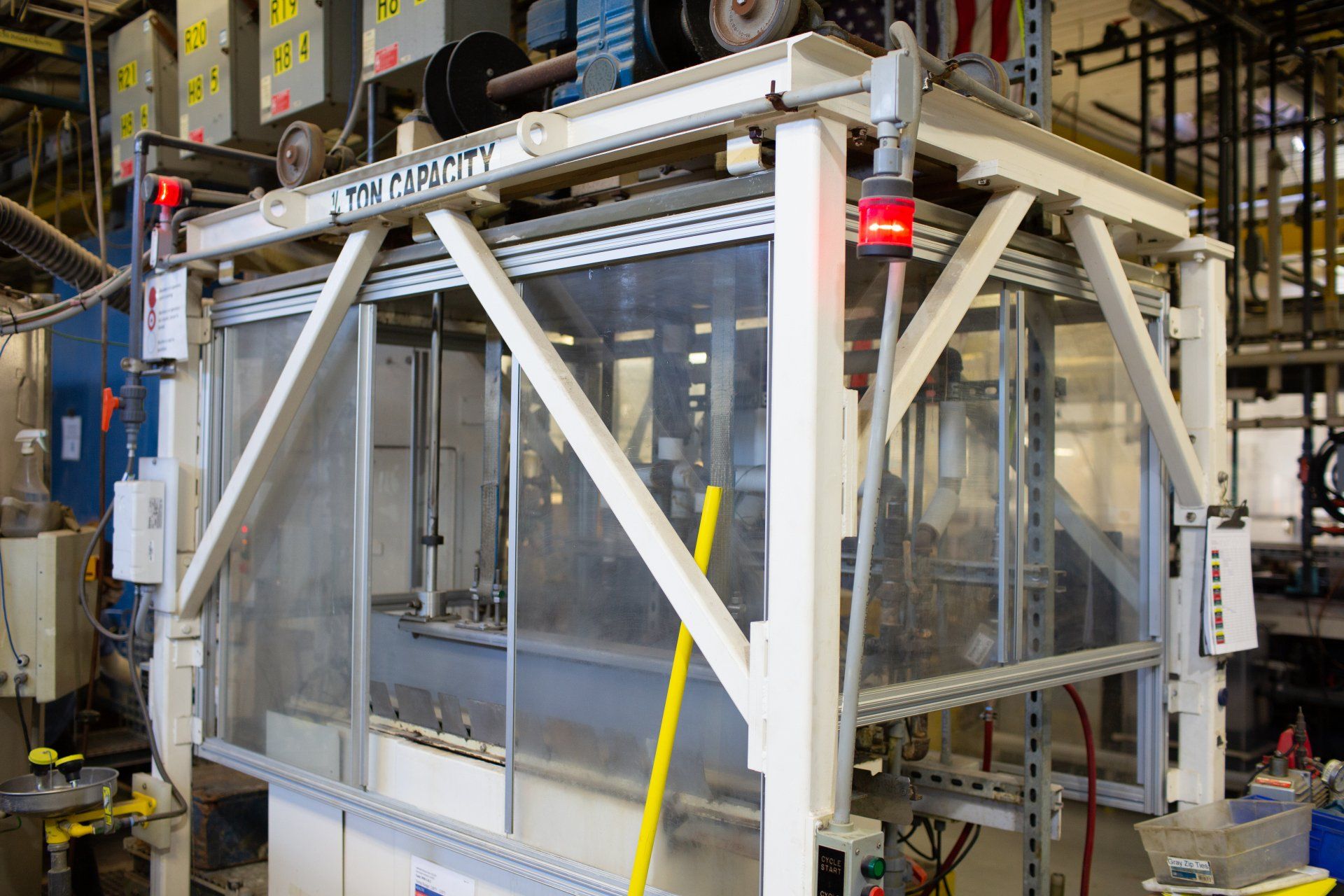
Here’s another cool tidbit: Before either Type II or Type III anodized layers are sealed, they’re actually porous – like a tiny, microscopic sponge! This porosity is what allows them to absorb dyes for coloring. After dyeing (or if no color is desired), the pores are sealed, usually in hot water, transforming the aluminum oxide into a non-porous, highly resistant barrier. It's like giving it a final, protective topcoat without actually adding a topcoat!
So, Which One Should You Choose for Your… Life?
It all boils down to your priorities. Do you want something that looks fantastic, feels great, and can handle a few bumps and scrapes while looking stylish? Type II is your friend.
But if you’re building something that needs to survive a meteor shower, a zombie uprising, or just a particularly clumsy Tuesday, and you value uncompromising durability above all else, then you’re reaching for Type III. It’s the difference between a sleek, colorful road bike and a virtually indestructible mountain bike designed for scaling Everest. Both are great, but for vastly different adventures.
And there you have it! The fascinating, surprisingly colorful (or un-colorful, depending on your Type!) world of anodizing, explained with more enthusiasm than you ever thought possible for an electrochemical process. Now go forth and impress everyone with your newfound knowledge of aluminum's amazing skin!