An Electric Current Flowing In One Direction Only
Think about your favorite gadgets – your phone, your laptop, even that snazzy new electric toothbrush. What do they all have in common? They rely on electricity, and specifically, a very particular kind of electricity: electricity that flows in one direction only. We often take this for granted, but this unidirectional current is the unsung hero powering much of our modern lives.
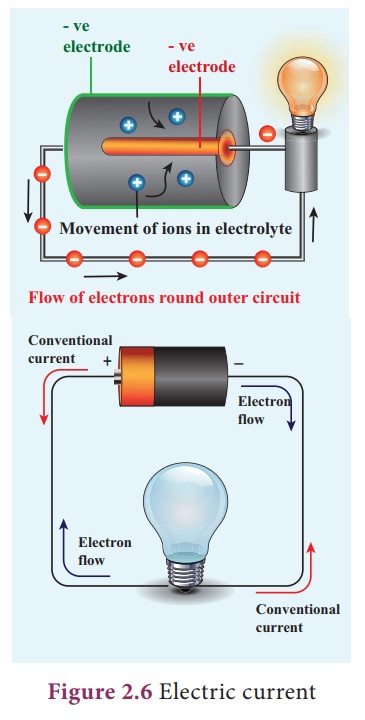
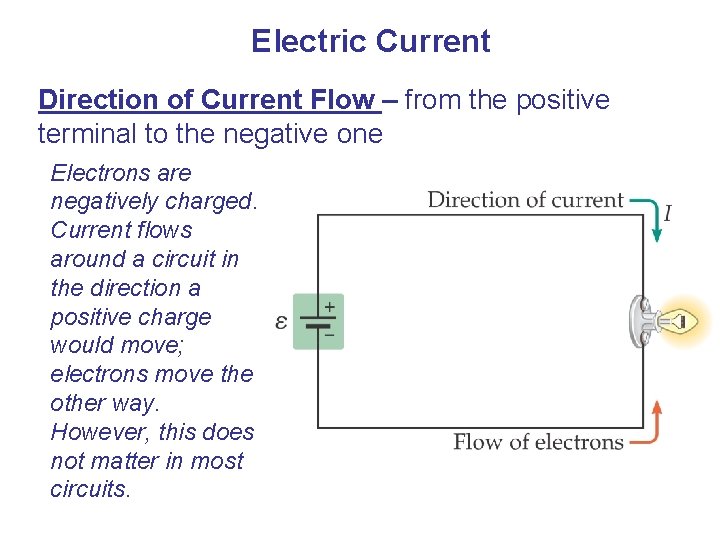
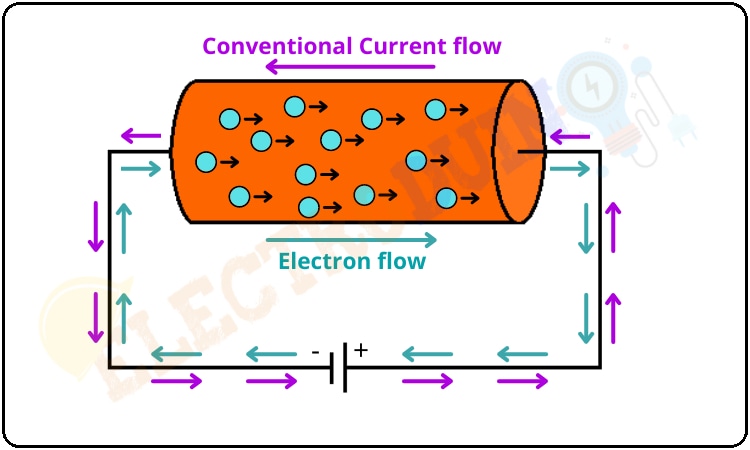
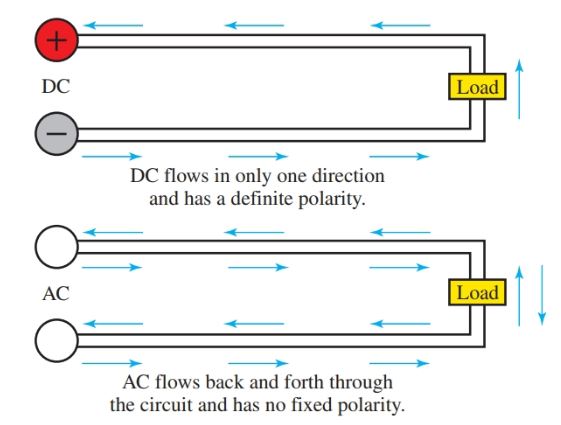
So, why is this "one-way street" for electrons so important? Well, imagine trying to fill a glass with water while simultaneously trying to empty it. You'd just end up with a mess! Similarly, many electronic devices need a stable, consistent flow of power to operate properly. Electricity flowing in one direction, technically called direct current (DC), provides that stability. It's like having a reliable stream of energy feeding your devices, ensuring they work as intended.
The benefits are numerous. First and foremost, DC power is incredibly efficient for powering electronic circuits. It allows for precise control over the voltage and current, optimizing performance and preventing damage to sensitive components. Think about your phone's battery. It provides a constant, steady stream of DC power, allowing the processor to run smoothly, the screen to display vibrant images, and the speakers to play your favorite tunes without flickering or distortion. Without this consistent flow, your phone would be about as useful as a paperweight.
Must Read
You encounter DC power everywhere. Batteries are a prime example – from the tiny button cell in your watch to the massive battery powering an electric car. Solar panels also generate DC electricity. Then there are power adapters or "wall warts." These little devices cleverly convert the alternating current (AC) from your wall outlet into the direct current your electronics need. Your computer, your TV, your game console – all internally rely on DC power, converted from the AC provided by the electrical grid.
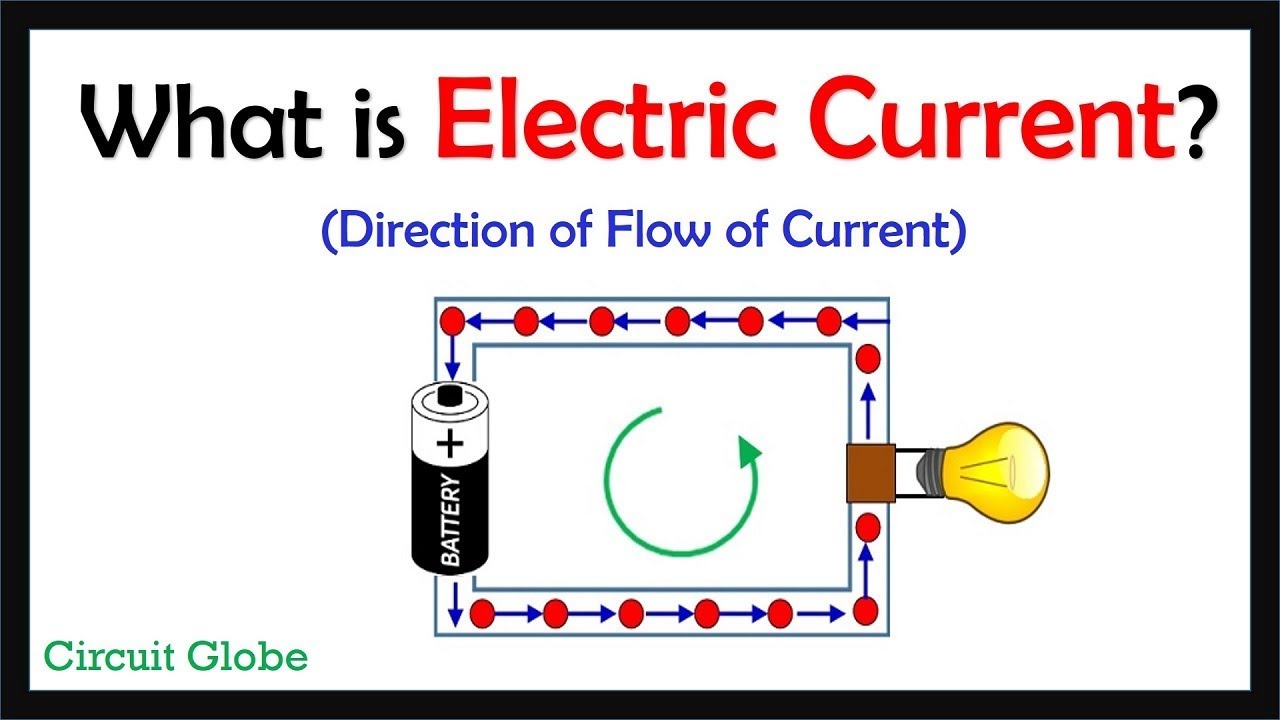
Want to appreciate the benefits of unidirectional current even more? Here are a few practical tips:
- Use high-quality power adapters: Cheap adapters can be inefficient or even provide unstable DC output, potentially damaging your devices. Invest in reliable brands.
- Understand battery care: Different batteries have different charging characteristics. Follow the manufacturer's recommendations to maximize battery life and ensure a consistent DC power supply.
- Consider a UPS: A Uninterruptible Power Supply (UPS) provides backup DC power during power outages. This is especially useful for computers and other sensitive equipment that can be damaged by sudden power loss.
In conclusion, while the technical aspects of direct current might seem a bit dry, its impact on our daily lives is undeniable. From the smallest gadgets to the most sophisticated technologies, DC power provides the stable, reliable energy that keeps our world running smoothly. Next time you're enjoying your favorite electronic device, take a moment to appreciate the silent, unidirectional flow of electrons working tirelessly behind the scenes!