
Amperage For 6010 Welding Rod
Ah, the mighty 6010 welding rod. It's like the trusty old pickup truck of the welding world. You know it, you love it, and it just gets the job done.
It's the rod that practically built America, or at least a good chunk of its infrastructure. Everyone has an opinion on it, especially when it comes to that magical number: amperage.
The Great Amperage Debate: Textbooks vs. Reality
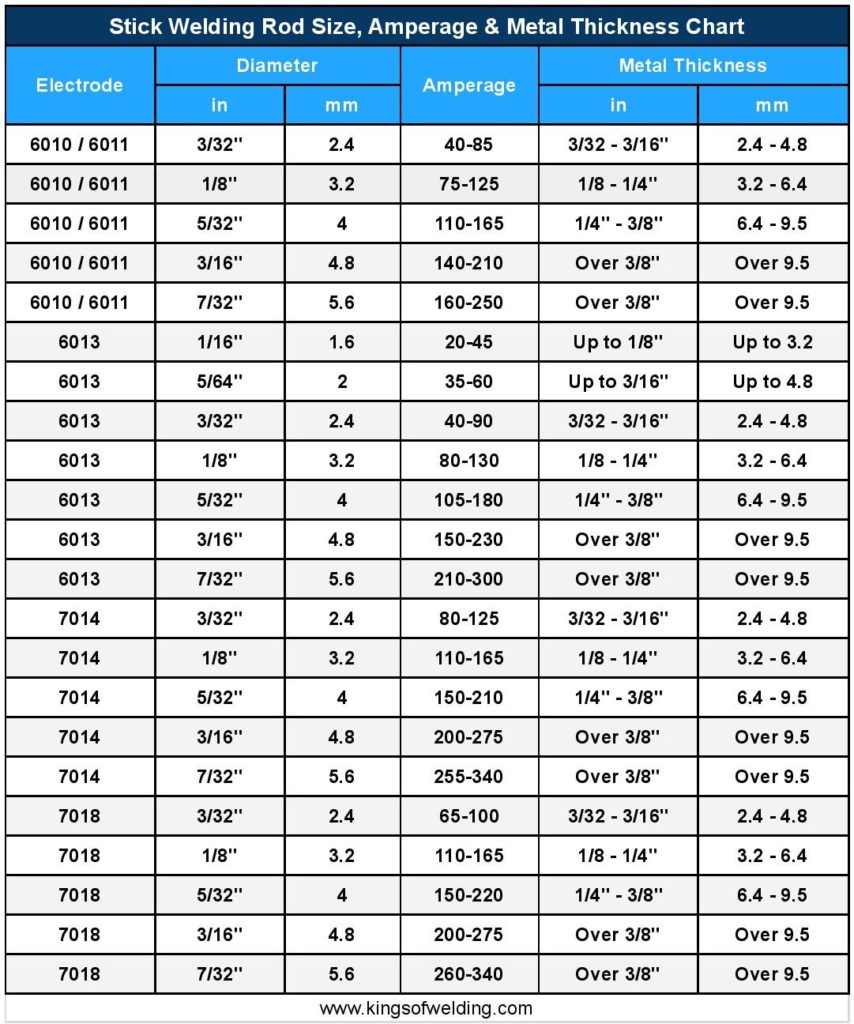
Now, if you open any welding textbook, it will give you a neat little range for your 6010. Maybe 75 to 125 amps for a 1/8-inch rod. Sounds reasonable, right?
Must Read
But let's be honest, those numbers often feel a bit... conservative. Like a speed limit sign on an open highway. You know the car can do more, and sometimes, it just feels right to push it a little.
The "Official" Numbers: A Gentle Scoff
The textbooks are trying to keep us safe, bless their cotton socks. They want a nice, pretty bead, minimal spatter, and perfect penetration, every time. And that's noble, truly.
But they don't always account for the sheer joy of seeing that puddle boil with enthusiasm. They don't talk about the little grin that spreads across a welder's face when the arc just sings.
Sometimes, those recommended ranges feel like they're written by someone who never had to burn through some rusty angle iron on a cold morning. The kind of rust that practically laughs at a timid arc.
Finding Your Mojo: When the Rod Sings
Every welder knows that moment. You strike the arc, and it just feels right. The puddle forms beautifully, the slag peels away easily, and the weld just flows like liquid sunshine.
More often than not, that "just right" feeling comes when you've nudged the dial a little higher. Maybe a touch past what the book suggests, into what we playfully call the "happy zone."
The Unspoken Rule: Pushing the Boundaries (Just a Little)
It's an unofficial secret, whispered around the fabrication shop and under the hood. For a 6010 rod, especially that ubiquitous 1/8-inch size, many of us find our comfort zone a bit north of 100 amps.
Some brave souls will confess to flirting with 120, even 130 amps, especially when welding downhill. They aren't trying to break rules; they're just chasing that perfect arc.
"A 6010 at 90 amps is like a kitten. Nice, but it won't scare anything. At 115, it's a tiger ready to pounce!"
The 1/8-inch 6010 Sweet Spot: A Sacred Number?
Let's talk specifically about the 1/8-inch 6010. This is where the magic happens. This rod size is arguably the most common, the workhorse of the workhorses.
While the book might say 75-125, many experienced hands will tell you that the true sweet spot often lives in the 105-115 amp range. Sometimes even pushing 120, depending on the machine and the mood.
It’s where you get that glorious digging action, that wonderful penetration, and a puddle that practically begs you to keep moving. The arc sounds crisp, almost like popcorn popping.
Why We Do It: Speed, Penetration, and Good Old Oomph
Why do welders gravitate towards a slightly hotter setting? Simple: speed and penetration. A hotter arc means you can move faster, which is critical for productivity.
It also means the arc really digs into the base metal, ensuring excellent fusion and a strong weld. No one wants a weld that just sits on top like a lazy caterpillar.
That extra oomph also helps burn through any surface contaminants. Rust, paint, grease – the 6010 loves to eat through it, and a little extra heat makes it even hungrier.
Trusting Your Gut (and Your Ears): The Welder's Sixth Sense
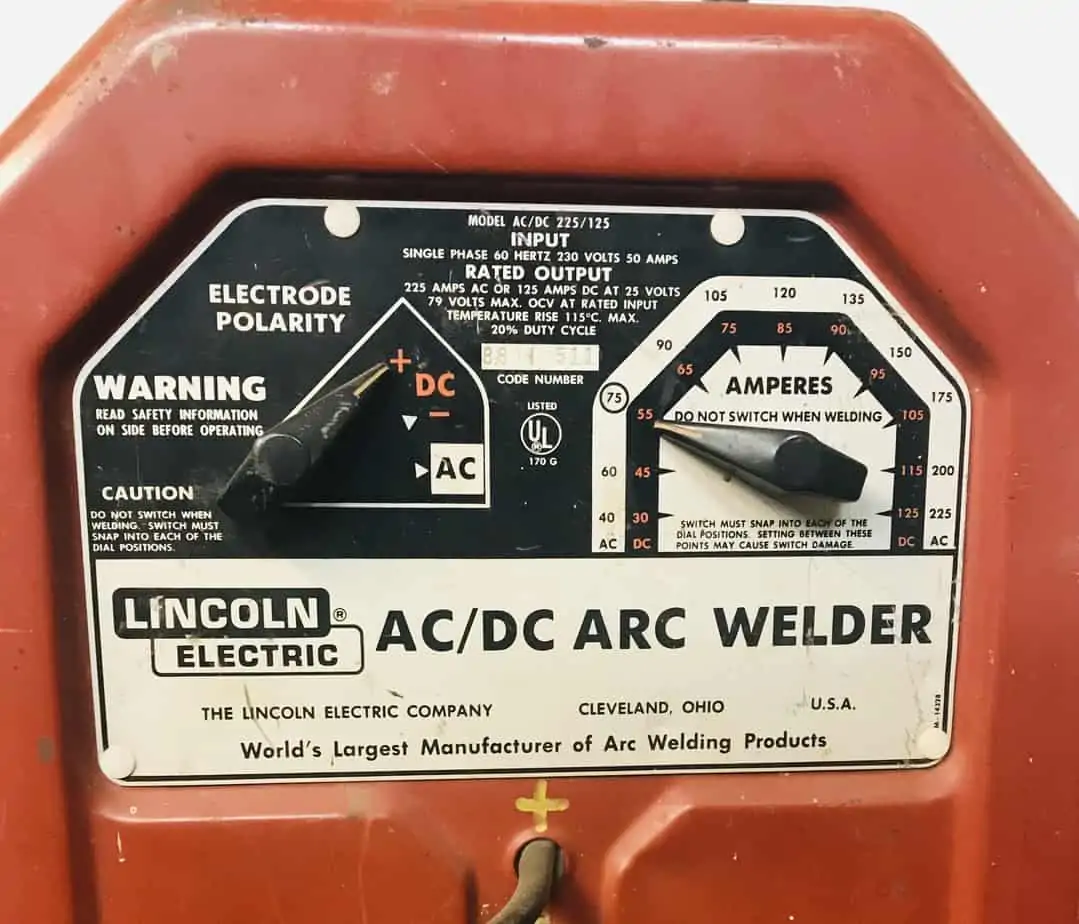
Welding isn't just about numbers on a dial; it's a sensory experience. You listen, you watch, you feel. And your senses are often the best indicators of whether your amperage is spot on.
The machine hums, the rod crackles, the metal glows. It's a symphony, and you're the conductor. Trust that inner feeling, that intuition that develops with every arc struck.
Listening to the Crackle: It Tells a Story
A good 6010 arc at the right amperage has a distinct sound. It's a sharp, consistent crackle, almost like bacon frying on a griddle. It's energetic, alive.
If it's too quiet, too soft, or sputters awkwardly, your amps are likely too low. If it's a violent, noisy hiss with excessive spatter, you might be a little hot.
That perfect crackle is your machine telling you, "Yes! This is it! We're making magic!" It’s the sound of productivity and perfect fusion.
The "Too Low" Blues: When the Rod Just Drags
Ever tried to weld a 6010 with too few amps? It's like trying to push a wet noodle uphill. The rod sticks, the arc struggles, and the puddle barely forms.
The slag becomes stubborn, the weld looks ropey, and your temper starts to fray. It's frustrating, inefficient, and just plain disheartening. Nobody enjoys the "too low" blues.
You find yourself fighting the rod, chipping away at stubborn slag, and wondering why your weld looks more like a pigeon dropping than a proud bead. Don't be afraid to turn it up a notch!
The "Too High" Woes: When Things Get Splattery
On the flip side, too much amperage for your 6010 can also be a headache. You'll get a very fluid puddle that's hard to control, a lot of spatter, and potentially undercut.
The arc becomes wild and unruly, spitting molten metal everywhere. It's like trying to drink soup with a fork – messy and ineffective. Nobody wants a welding Picasso on their hands.
Finding that sweet spot means minimizing mess and maximizing control. It’s a delicate dance, but the 6010 is quite forgiving if you give it what it wants.
Embrace the "Unconventional Wisdom": It's Okay to Experiment
So, the next time you strike an arc with your beloved 6010 rod, don't be afraid to challenge the textbook a little. Push that dial a few extra notches.
Listen to your machine, watch your puddle, and trust your gut. Find the amperage that makes your rod sing, your puddle boil, and your welds look glorious.
Every welding machine is a little different, every piece of metal has its quirks, and every welder has their own rhythm. What works perfectly for one might not be ideal for another.
Your Machine, Your Rod, Your Rhythm: Find Your Zone
It's a personal journey, this amperage discovery. Your specific welding machine, whether it's an old transformer or a modern inverter, will have its own personality. Get to know it.
The condition of your rod, the type of joint, the position you're welding in—all these factors subtly influence the ideal amperage. Be a detective, an explorer.
Ultimately, the best amperage is the one that allows you to produce the best weld. It’s about personal comfort and confidence, not just following a rigid number.
The Joys of a Hot 6010: It Just Flows
There's a special kind of satisfaction that comes from running a hot 6010 bead. It's smooth, it's fast, and the puddle looks incredible. The slag peels back almost by itself, revealing a perfect, rippled bead.
It’s a testament to experience, to understanding your tools, and to trusting your own two hands. It's a beautiful dance between man and machine, molten metal and solid strength.
So go ahead, let your 6010 get a little feisty. It might just surprise you with the gorgeous welds it can lay down. Embrace the heat!
In the end, while textbooks provide a great starting point, the true art of welding the 6010 rod comes from intuition and experience. It's about finding that sweet spot where the arc crackles just right, and the metal practically begs to be welded.
So, the next time someone quotes textbook numbers for your 1/8-inch 6010, just smile. You know the secret. You know where the real magic happens.
Happy welding, and don't be afraid to turn up the heat!