
Amperage Can Be Described As
Ever plug in a new gadget or wonder why some appliances feel more "powerful" than others? We all interact with electricity every single day, from charging our phones to making toast. But have you ever really stopped to think about how it all works? It's not just "on" or "off," right?
Today, let's pull back the curtain on one of the coolest and most fundamental aspects of electricity: something called amperage. Don't worry, we're not diving into a dry physics textbook. Think of this as a friendly chat over coffee about the invisible magic that powers our world.
So, What Exactly Is Amperage?
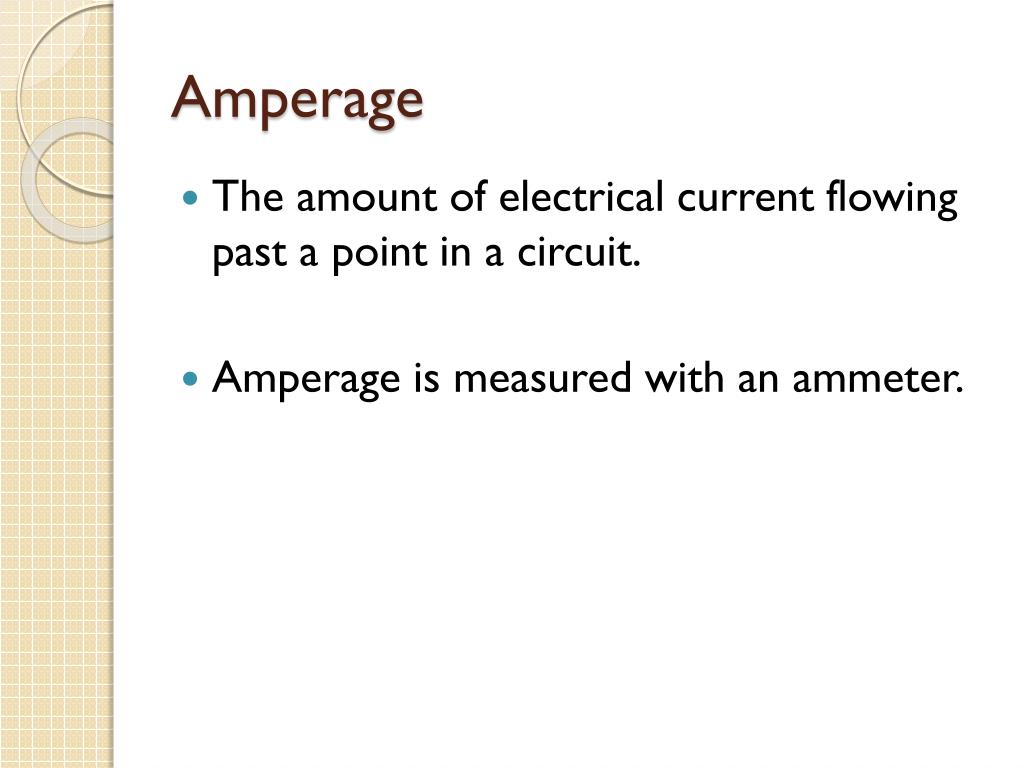
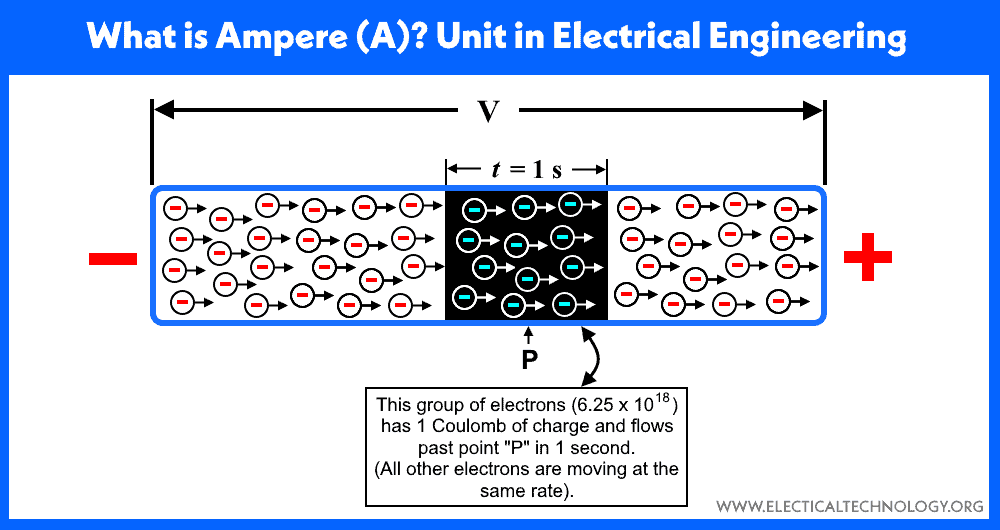
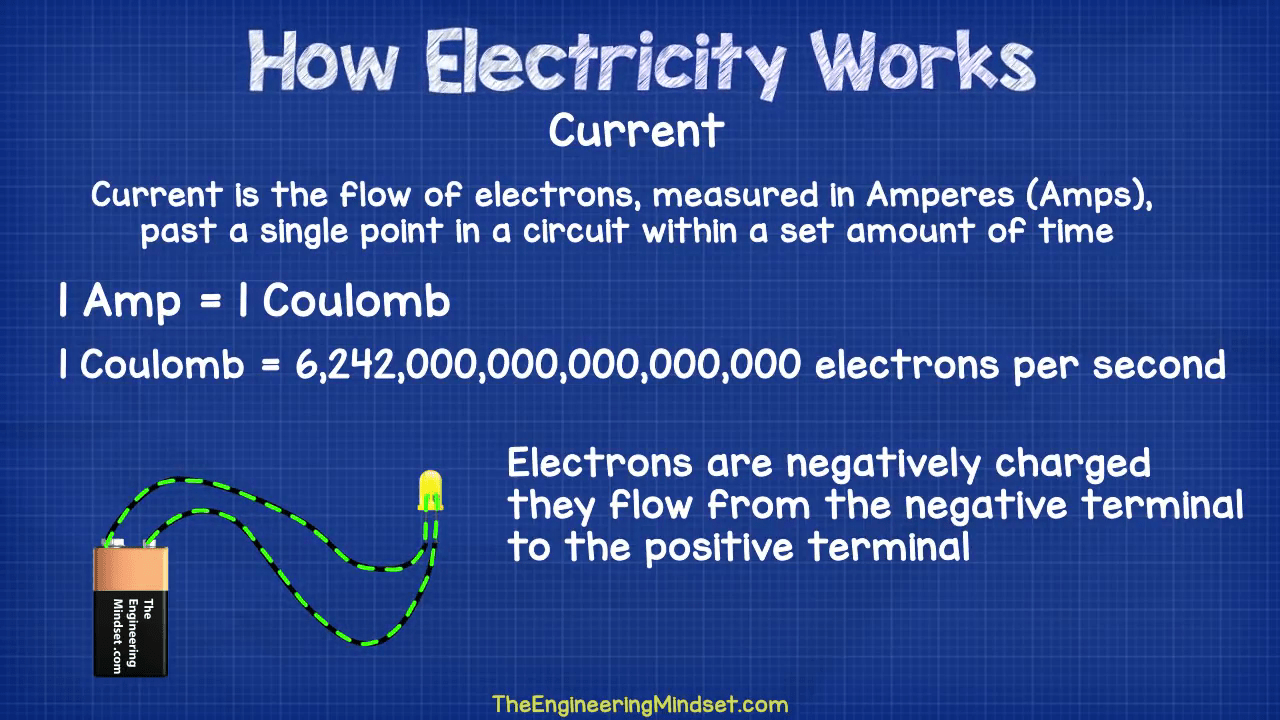
Okay, let's get straight to it. If you've ever heard someone talk about "amps" or "current," they're probably referring to amperage. In its simplest, most chill form, amperage describes the amount of electric current flowing past a certain point in a circuit per second. Imagine it like a river.
Must Read
Think about a river flowing through a channel. The amperage would be like measuring the volume of water passing a specific spot every second. Is it a gentle trickle, a steady stream, or a rushing torrent? That "how much" factor is what amperage is all about when we talk about electrons moving through wires.
The Cool Water Analogy: Pipes and Flow
This water analogy is super helpful for understanding electrical concepts, especially amperage. Let's really lean into it!
Picture a garden hose. When you turn on the faucet, water flows out, right? The amperage is the actual volume of water that's gushing out of that hose at any given moment. Is it a thin spray from a tiny nozzle, or a big, powerful stream from a wide-open tap?
Now, compare that garden hose to a fire hose. A fire hose, obviously, delivers a much, much larger volume of water per second. In electrical terms, you could say the fire hose has a significantly higher amperage capacity and delivery than the garden hose. It’s a huge difference in the sheer amount of liquid moving.
It's not about how hard the water is being pushed (that's more like voltage, which we'll briefly touch on), but simply how much stuff (electrons, in electricity's case) is actually moving. It's the sheer quantity of electrical charge doing its dance through the wire.
Why Should You Care About Amperage?
Beyond just sounding smart at parties, understanding amperage actually helps you grasp why things work the way they do – and why some things don't.
Have you ever noticed that a phone charger brick feels small and light, while a microwave oven needs a much thicker cord and a dedicated outlet? That's because they demand vastly different amounts of amperage!

A phone charger only needs a tiny trickle of electrons to juice up your battery. It's like a small stream. But a microwave? That thing is cooking your food with intense energy, which means it needs a huge river of electrons flowing continuously to do its job. It's high amperage all the way!
If you tried to power a microwave with a phone charger's puny amperage, nothing much would happen. It's like trying to put out a house fire with a garden hose – simply not enough flow to get the job done efficiently. Different tasks require different "amounts" of power, and that "amount" is exactly what amperage describes.
Amperage's Buddies: Voltage and Resistance (Super Briefly!)
While amperage is the "how much," it's often hanging out with two other important friends: voltage and resistance. Don't worry, we'll keep it super simple, no need for complex equations here!

If amperage is the volume of water, then voltage is like the water pressure pushing that water. High pressure pushes a lot of water. Low pressure pushes less. And resistance? That's like the size of the pipe or any narrow spots in it – a small pipe (high resistance) will restrict the flow, even with high pressure, much like a tiny straw resists a lot of liquid.
So, a device needs a certain "push" (voltage) to get the electrons moving, and once they're moving, the "amount" of them moving is the amperage. How easily they move is affected by the resistance of the wire or component. They all work together to make electricity happen!
Safety First: The Importance of "Just Right" Amperage
Here's where amperage gets really practical and super important. Every electrical device, every outlet, every wire in your home is designed to safely handle a specific amount of amperage. It's a delicate balance!
If you try to draw too much amperage through a wire or circuit that isn't built for it, what happens? Just like trying to force a fire hose's volume of water through a garden hose, things can go wrong. The wire gets hot, potentially melts its insulation, and can even cause a fire. This is why circuit breakers exist – they're like safety valves that automatically shut off the flow (the amperage!) if it gets too high, protecting your home and your precious electronics.
So, when an electrician talks about a 15-amp circuit or a 20-amp circuit, they're talking about the maximum safe flow of electrons that particular circuit can handle. Overdo it, and the breaker trips. Pretty neat how this simple concept keeps us safe, huh?
Demystifying the Invisible: What's So Cool About It?
The really cool thing about understanding amperage is that it makes the invisible world of electricity a little less mysterious. It gives you a mental picture of what's happening inside those wires and devices, connecting the abstract to the tangible.
Next time you plug something in, think about the tiny electrons flowing. Is it a gentle stream for your phone, a steady current for your lamp, or a roaring river for your oven? That "how much" is the heartbeat of modern life, constantly flowing, powering everything from our morning coffee to the internet we're using right now.
So, there you have it! Amperage, in its most friendly and relatable terms. It's not just a technical term; it's a fundamental concept that helps us appreciate the incredible invisible energy that surrounds us. Pretty cool, right?