
Amount Of Co2 Emitted When Natural Gas Is Burned
Hey there! Ever wondered about that cozy warmth radiating from your gas furnace on a chilly evening? Or maybe the satisfying whoosh of your gas stove as you whip up a delicious dinner? Well, behind all that comfort lies a tiny, invisible byproduct: carbon dioxide, or CO2 for short. Let's talk about how much CO2 we're actually talking about when we burn natural gas, and why you might want to know. Don't worry, it's easier than you think!
The CO2 Lowdown: It's all about the Burn
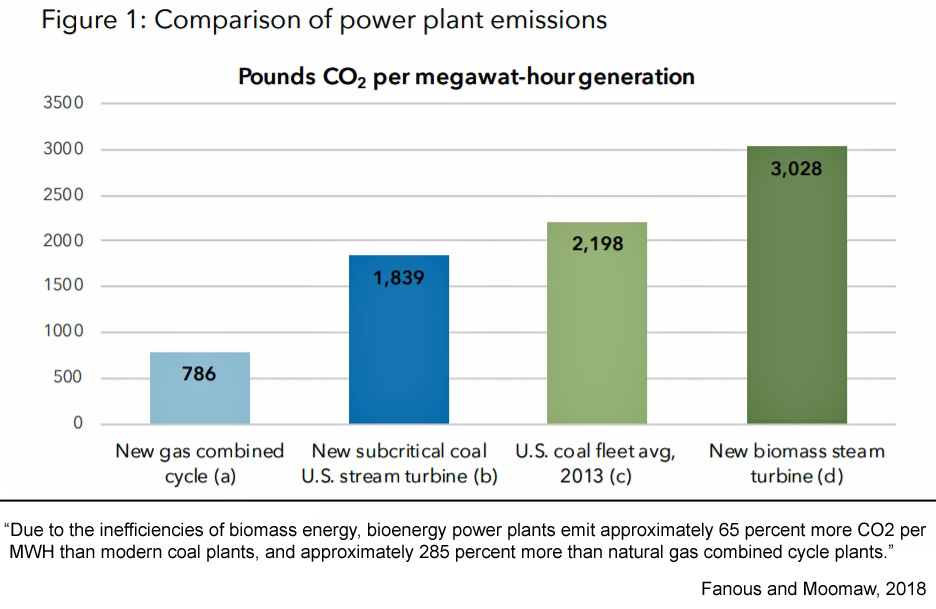
Think of natural gas like a delicious, but somewhat messy, campfire log. When you burn wood, you release all sorts of stuff, including smoke, ash, and – you guessed it – CO2. Natural gas is much cleaner, mostly just turning into water vapor (H2O) and carbon dioxide when it burns. But, the CO2 is still there.
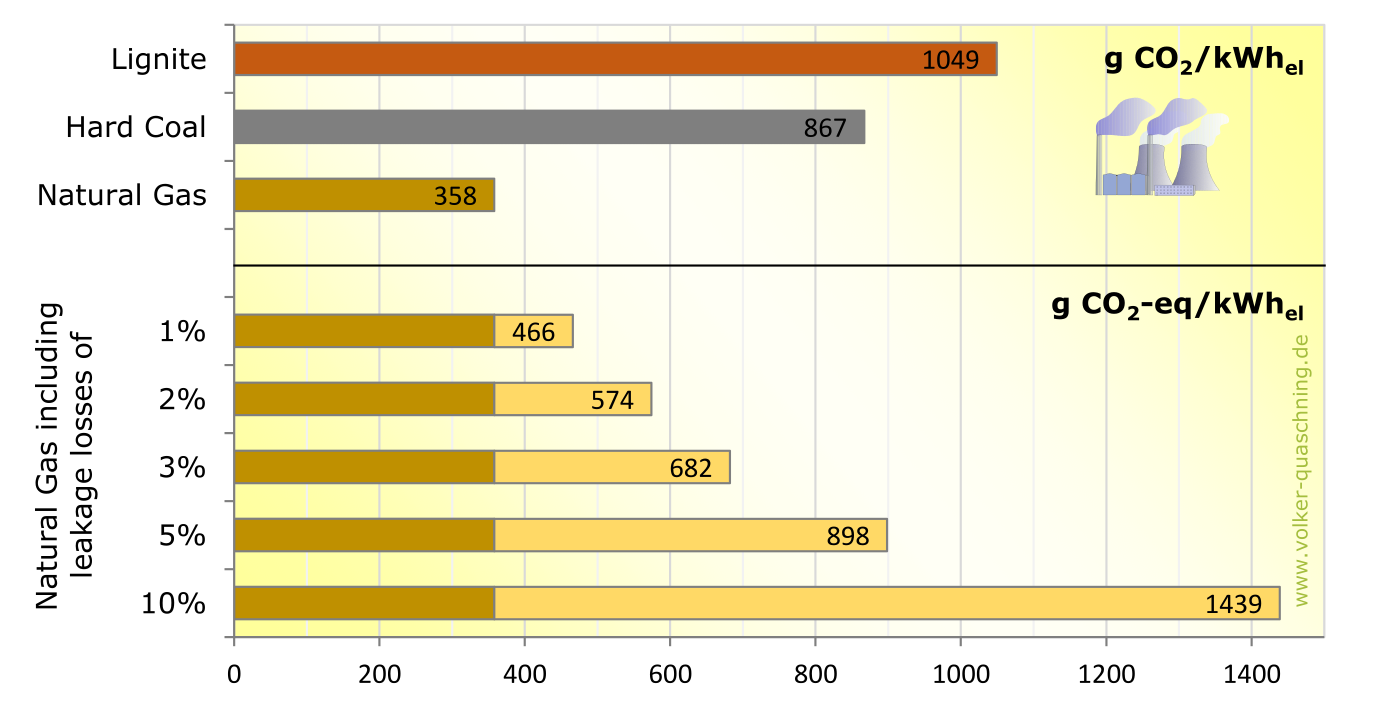
So, how much CO2 are we talking? A helpful way to think about it is in terms of the units we use to buy natural gas: typically, cubic feet. When you burn 1,000 cubic feet (1 MCF) of natural gas, you release roughly 117 pounds of CO2 into the atmosphere. That might sound like a lot, but let’s put it into perspective.
Must Read
That's roughly equivalent to driving a regular gasoline-powered car about 130 miles!
Your Home's Gas Footprint: A Quick Peek
Curious about how much CO2 your home is putting out? Take a look at your natural gas bill. See the amount you used last month? Multiply that by 0.117 (since we’re measuring in thousands of cubic feet, remember?) to get a rough estimate of the pounds of CO2 you released. For example, If you used 5 MCF last month, that is about 585 pounds of CO2.

Now, that's just for one month. Imagine that multiplied by twelve, plus all the other sources of CO2 emissions, it adds up! Of course, this is a simplified calculation. The actual amount can vary slightly depending on the exact composition of the natural gas, but it's a good ballpark figure.
Why Should You Care? The Cozy Planet Connection
Okay, so we’ve got some numbers. Why should you, sitting comfortably in your home, actually care about the amount of CO2 released when burning natural gas? Here's the thing: CO2 is a greenhouse gas. Think of the Earth like a giant greenhouse – the glass roof traps some of the sun's heat, keeping things nice and toasty inside. CO2 acts like extra panes of glass, trapping too much heat. This is where the whole climate change thing comes in.
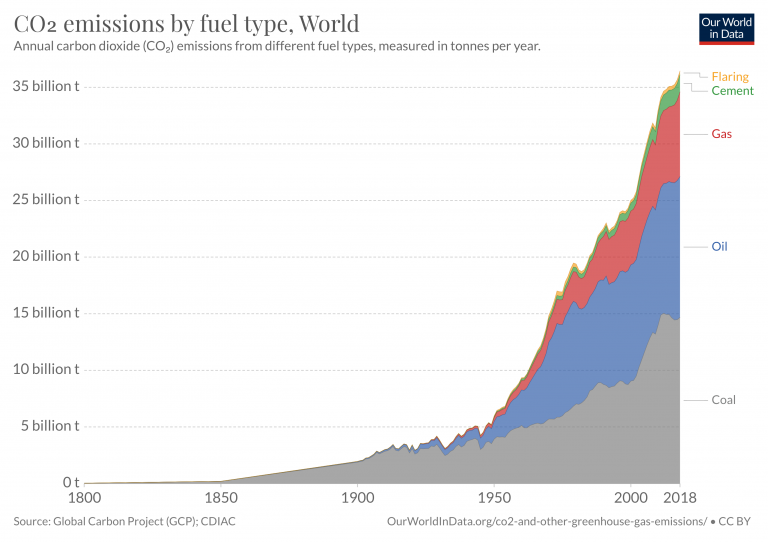
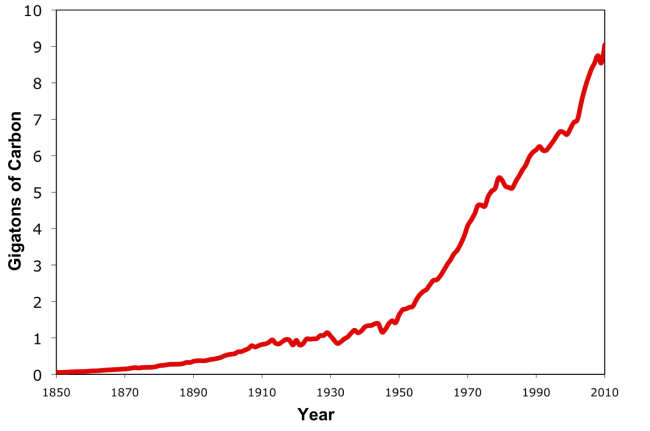
Too much CO2 in the atmosphere leads to a gradual warming of the planet, which can have some pretty significant consequences, from rising sea levels and more extreme weather events to disruptions in agriculture and ecosystems.
It's like when you accidentally leave the oven on too long, and the cake comes out burnt. A little warmth is good, but too much ruins the whole recipe for a happy planet!
Little Changes, Big Impact: Being a CO2 Detective
Now, before you start feeling guilty about your gas stove or furnace, remember that knowledge is power! Understanding your CO2 footprint is the first step towards making informed choices.
Here are a few simple things you can do to reduce your natural gas consumption and, consequently, your CO2 emissions:
- Lower your thermostat a few degrees in the winter. You’ll barely notice the difference, but your wallet and the planet will! Think of it as a cozy sweater-wearing challenge!
- Seal drafts around windows and doors. It's like putting a little blanket around your house!
- Insulate your home. Good insulation keeps the heat in during the winter and out during the summer, reducing your need for heating and cooling.
- Consider energy-efficient appliances. When it's time to replace your furnace or water heater, look for models with high energy efficiency ratings.
- Shorten your showers. Heating water uses a lot of energy!
These aren't huge sacrifices; they're just small tweaks to your lifestyle that can make a real difference over time. It’s like choosing to walk instead of drive when you can – every little bit helps!
The Bottom Line: Be Informed, Be Empowered
Burning natural gas does release CO2, and that CO2 contributes to climate change. But understanding the amount and taking small steps to reduce your consumption can have a positive impact. You don't have to become a radical environmentalist overnight. Just being a little more aware of your energy use and making conscious choices can make a big difference in the long run.
So, the next time you turn on your gas stove or adjust your thermostat, take a moment to think about the CO2 connection. It's a small thing, but it's a step towards a healthier planet, one cozy gas-powered moment at a time!