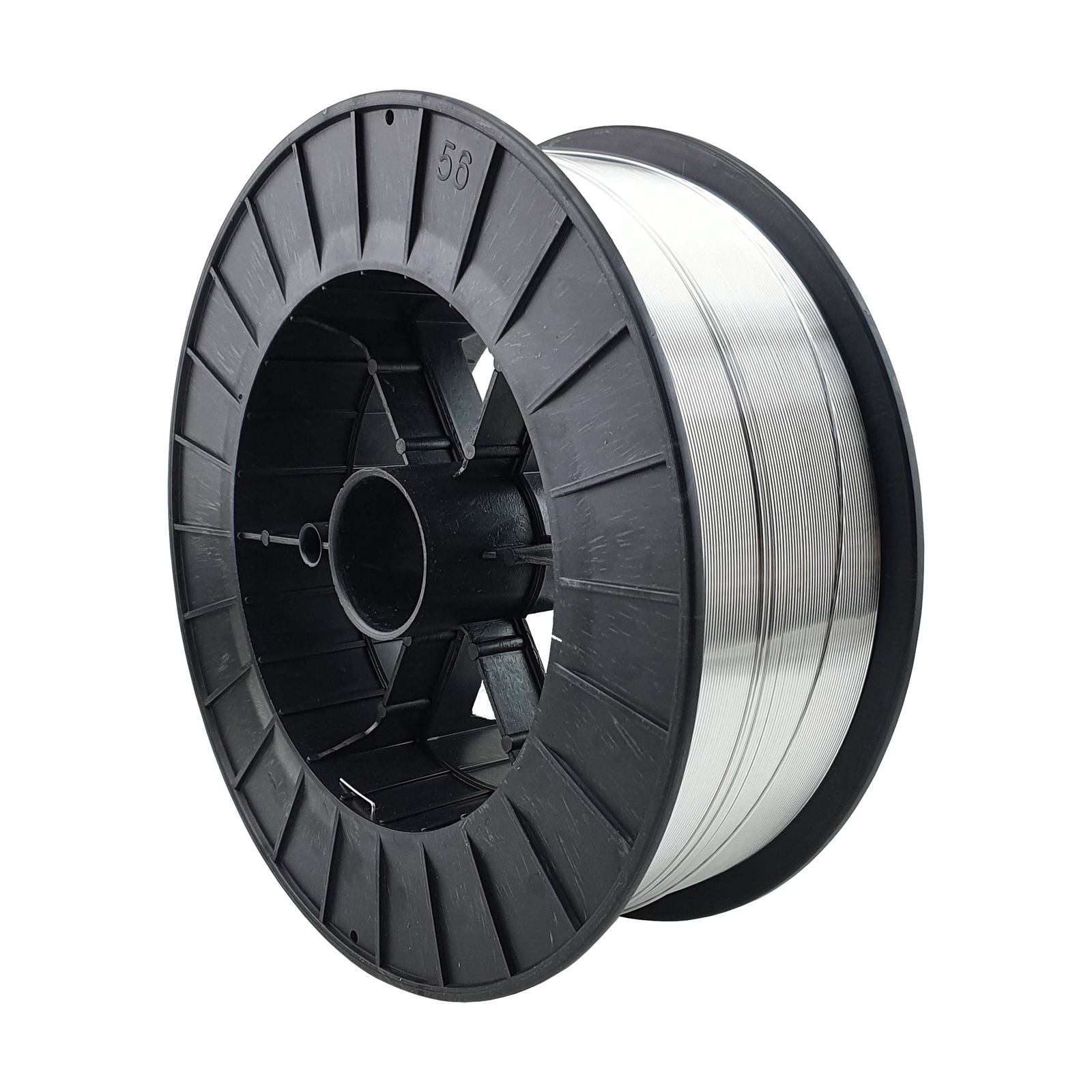
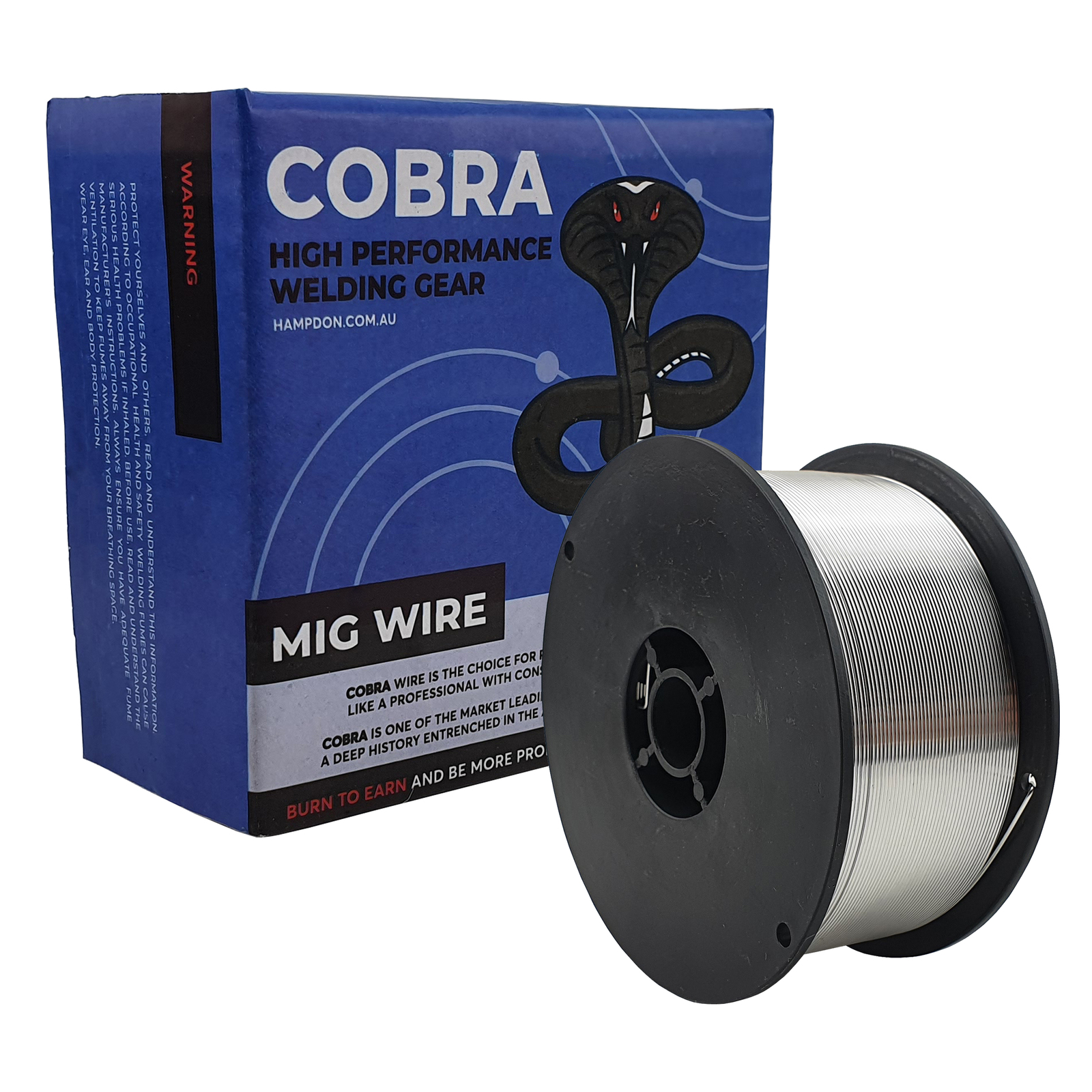
Aluminum Wire For Mig Welding

Ever gazed at an aluminum canoe shimmering on a lake, or admired the sleek lines of a modern car, and wondered, "How do they make these things stick together?" It's not magic, it's welding! And if you've ever thought about diving into the world of metal fabrication, but found the idea a bit daunting, then let me introduce you to a surprisingly approachable and incredibly useful topic: aluminum wire for MIG welding.
Why is this relevant or fun to learn? Well, aluminum is everywhere! From your bicycle frame to your outdoor patio furniture, and from aircraft parts to those handy food trucks, this lightweight, strong, and corrosion-resistant metal is a cornerstone of modern life. Learning how to weld it, especially with a process like MIG (Metal Inert Gas), opens up a whole new realm of DIY possibilities, repairs, and even creative projects. It's like gaining a superpower to fuse metal, and who wouldn't want that?
So, what's its purpose? Simply put, aluminum MIG wire is designed to join pieces of aluminum together permanently and strongly. When you feed this wire through a MIG welder, an electric arc melts the wire and the base metal, creating a molten puddle that fuses as it cools. The "inert gas" part, usually 100% argon when welding aluminum, shields this process from contaminants in the air, ensuring a clean and robust weld. Without it, your weld would look like Swiss cheese and have no strength!
Must Read
The benefits are pretty compelling. First, aluminum is incredibly lightweight, making it ideal for projects where weight is a concern, like trailers, boats, or custom automotive parts. Second, it's naturally corrosion-resistant, which is fantastic for anything exposed to the elements or water. Think marine environments! Third, while welding aluminum can be a bit trickier than steel, MIG offers a relatively fast and accessible method compared to other aluminum welding techniques like TIG, especially for hobbyists or those new to the craft. You get a good balance of speed, strength, and relative ease of learning.
Where might you see this in action, either in education or daily life? In trade schools and community colleges, students learn to weld aluminum for careers in automotive repair, boat building, or general fabrication. In daily life, you're constantly interacting with things made possible by aluminum welding. Think about that sturdy aluminum ladder, the framework of a camper van, or even custom artwork in a modern gallery. Your local repair shop might use it to fix a cracked aluminum engine casing or a dented aluminum truck bed. Hobbyists use it to build custom racks for their bikes, repair a broken aluminum gate, or even fabricate unique furniture.
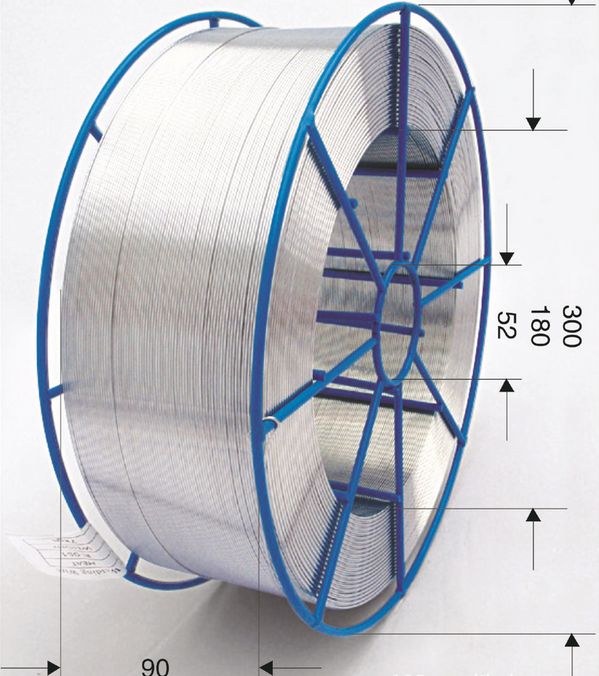
Feeling curious to explore it yourself? Here are a few practical tips:
- Safety First! Always wear appropriate personal protective equipment (PPE): a welding helmet, gloves, and protective clothing.
- Get the Right Setup: You'll need a MIG welder capable of aluminum (often requiring a spool gun attachment for smooth wire feed), 100% Argon shielding gas, and the right aluminum MIG wire (common types are 4043 and 5356).
- Cleanliness is Key: Aluminum needs to be incredibly clean before welding. Brush away any oxides with a stainless steel brush dedicated only to aluminum, and degrease thoroughly.
- Practice Makes Perfect: Start with simple scrap pieces. Aluminum welding tends to be hotter and faster than steel, so expect a learning curve. Watch plenty of YouTube tutorials from reputable welders!
- Find Resources: Look for local welding classes or workshops. Many community colleges offer evening courses for beginners.
Learning about aluminum wire for MIG welding isn't just about understanding a technical process; it's about unlocking the potential to create, repair, and innovate with one of the most versatile metals on the planet. So, next time you see something aluminum, remember the humble wire that might have brought it all together!