Aluminum Mig Welding Wire Speed And Voltage Chart
Ever watched a skilled artisan effortlessly join pieces of shimmering aluminum, creating everything from sleek furniture frames to intricate sculptures? Chances are, they're using the magic of Aluminum MIG welding! While it might sound intimidating, the beauty of this technique lies in its surprisingly accessible nature, and a key tool in mastering it is the often-overlooked Aluminum MIG Welding Wire Speed and Voltage Chart. Think of it as your roadmap to welding success, guiding you to achieve strong, clean welds with minimal frustration.
For artists, hobbyists, and even casual learners, the Aluminum MIG welding process opens a world of creative possibilities. Imagine crafting custom aluminum garden planters with unique geometric designs, building lightweight and durable frames for artwork, or repairing that beloved aluminum canoe that's been sitting neglected in the shed. The benefits are numerous: lightweight creations, corrosion resistance, and the satisfaction of building something truly unique.
Let's consider some examples. Picture a sculptor creating a delicate, abstract aluminum mobile that dances in the breeze, each joint seamlessly welded for a smooth, flowing form. Or perhaps a DIY enthusiast building a custom aluminum roof rack for their car, perfectly tailored to their specific needs. We've seen artists create incredible steampunk-inspired sculptures using repurposed aluminum parts, brought together with the precise welds achievable through proper settings. And don’t forget the practical: repairing aluminum boat hulls, fabricating custom motorcycle parts, or even creating bespoke architectural features for the home. The possibilities are truly endless!
Must Read
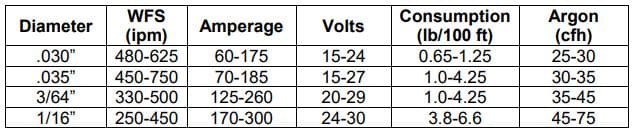
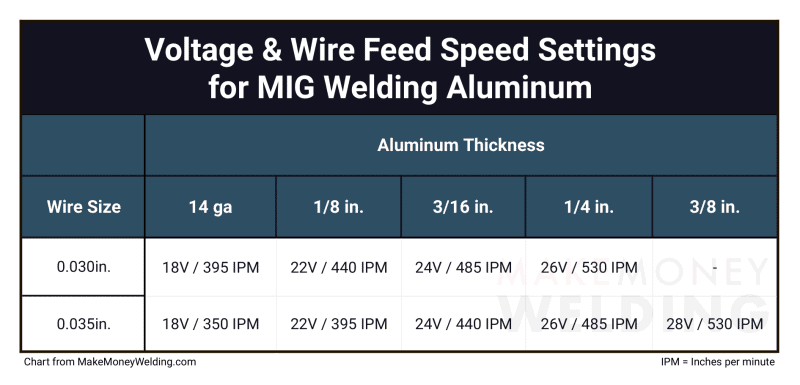
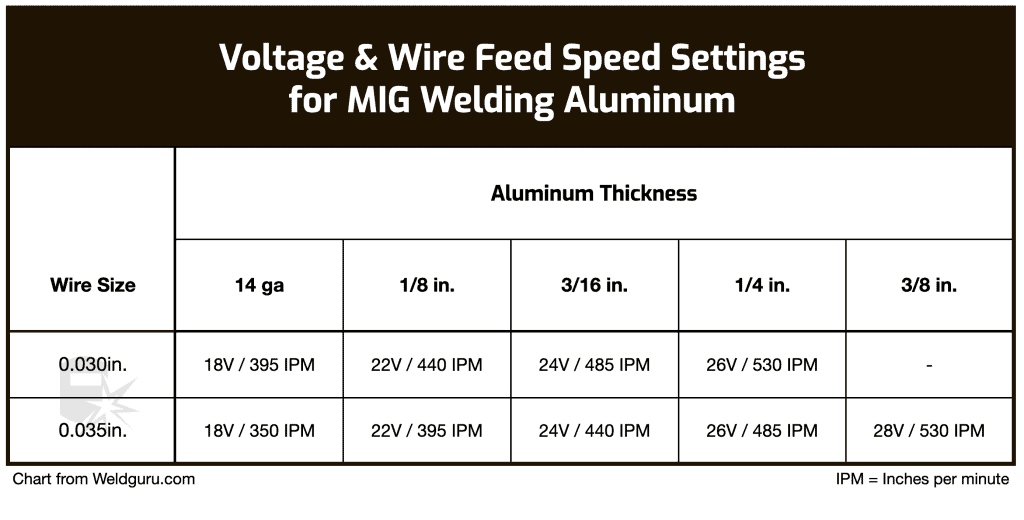
So, how do you start experimenting with this fascinating technique at home? First, invest in a MIG welder capable of welding aluminum. You'll need a spool gun to feed the soft aluminum wire smoothly. And this is where the Aluminum MIG Welding Wire Speed and Voltage Chart becomes your best friend. Each chart is specific to the wire type and thickness you’re using. These charts act as guidelines, suggesting the optimal wire feed speed and voltage settings based on the thickness of the aluminum you're welding. Always consult the chart provided by your wire manufacturer! Start with those settings, then make small adjustments based on your specific welder and the way the weld is behaving. Practicing on scrap aluminum is crucial! Watch videos, take a local welding class, and don't be afraid to experiment. Remember, patience is key.
A few helpful tips: Cleanliness is paramount when welding aluminum. Remove any dirt, grease, or oxidation with a stainless steel brush. Use the correct shielding gas: Argon is the most common choice for aluminum MIG welding. Practice good technique: Maintain a consistent travel speed and angle. And most importantly, wear proper safety gear, including a welding helmet, gloves, and long sleeves.
Ultimately, what makes Aluminum MIG welding so enjoyable is the sense of accomplishment it provides. Turning raw materials into functional and beautiful objects is incredibly rewarding. It's a skill that empowers you to bring your creative visions to life, solve practical problems, and explore the limitless potential of aluminum. So grab your welder, consult your chart, and get ready to experience the joy of creating something amazing!