All The Names Of The Hurricanes
Ever found yourself saying, "Remember Hurricane Irma?" or "Oh no, not another storm named Michael!" There's something undeniably human about giving names to powerful natural phenomena. It makes them feel a little less abstract, a little more relatable, and certainly a lot easier to talk about. But beyond just being catchy, the naming of hurricanes is a fascinating system with a surprising amount of history and purpose, making it a topic that’s both fun and incredibly useful for everyone.
So, why do we bother naming these swirling giants of wind and water? Imagine trying to discuss multiple storms threatening different coasts without distinct labels. "That storm off Florida" and "the other storm near Texas" would quickly lead to utter confusion and potentially, dangerous miscommunications. This is where the simple act of naming becomes a lifesaving tool. The primary purpose is crystal clear: to aid in rapid, unambiguous communication between forecasters, emergency responders, the media, and the public. It helps avoid confusion when two or more tropical storms or hurricanes are active at the same time, ensuring everyone knows exactly which storm they need to prepare for or track.
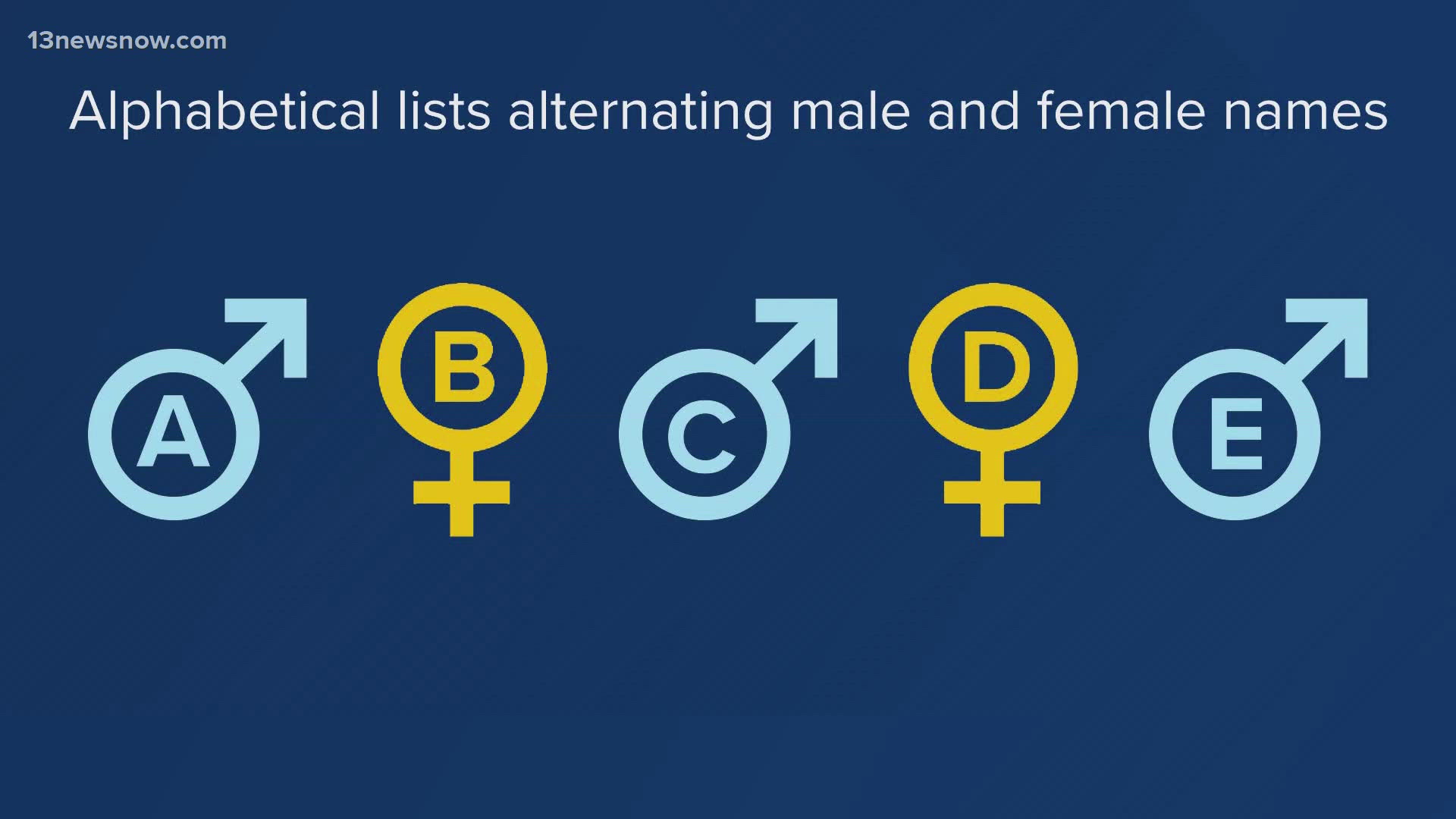
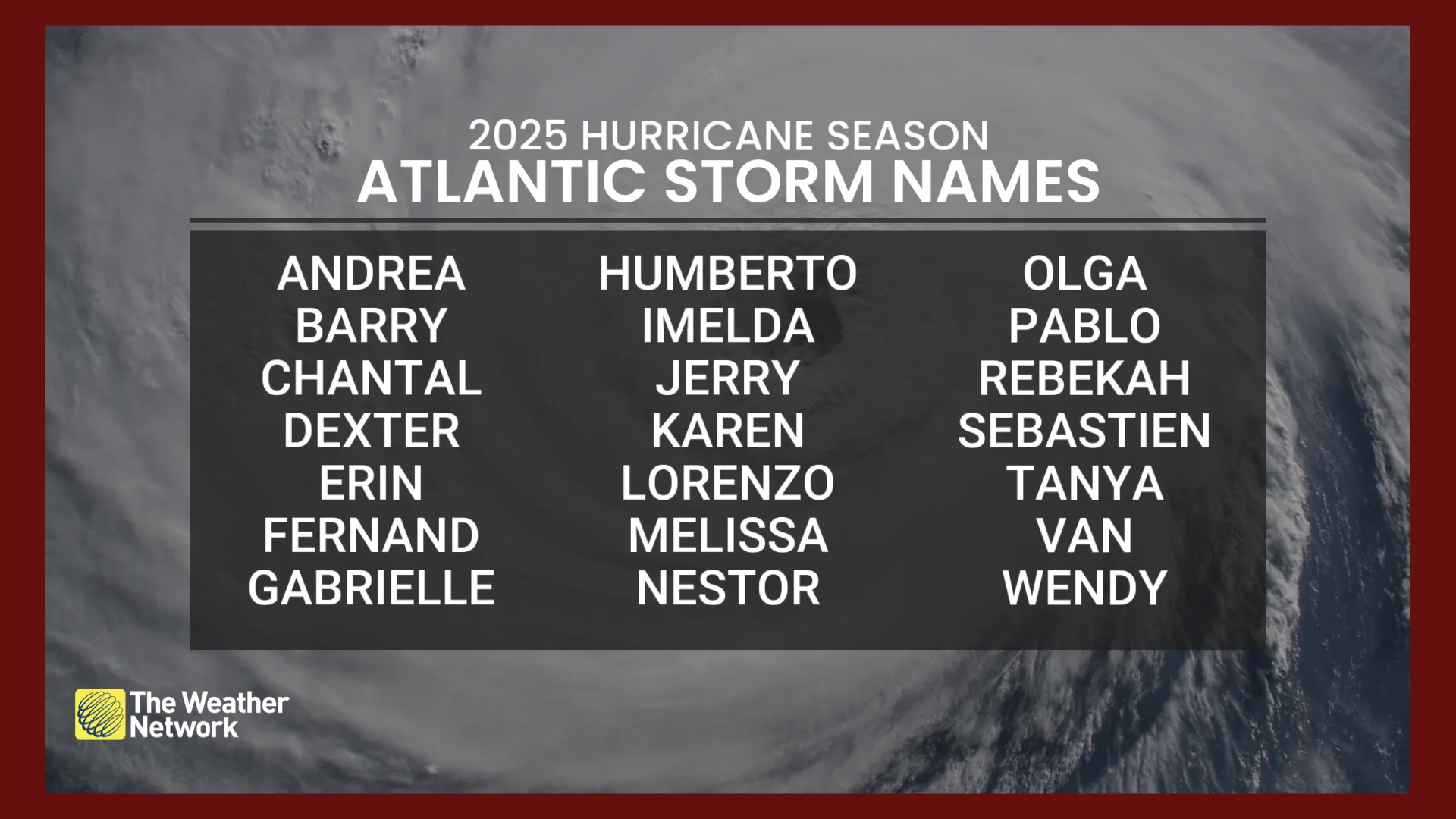
The system itself is quite ingenious, managed by the World Meteorological Organization (WMO). For hurricanes in the Atlantic and Northeast Pacific basins, there are six rotating lists of names, with each list containing 21 to 24 names, starting with 'A' and proceeding alphabetically. These lists alternate between male and female names. For instance, the 2023 list will be used again in 2029. This rotating system keeps things fresh and organized. It wasn't always this balanced; initially, only female names were used, a practice that changed in the late 1970s to reflect a more equitable approach.
Must Read
One of the most compelling aspects of hurricane naming is the concept of name retirement. If a hurricane is particularly deadly or causes catastrophic damage, its name is retired forever as a mark of respect and to prevent future confusion. Think of names like Katrina (2005), Sandy (2012), or Maria (2017) – these powerful storms are etched into history, and their names will never be used again for another hurricane. This ensures that when we speak of "Hurricane Katrina," there's no ambiguity about which devastating event we're referring to. When a name is retired, a new name is chosen to replace it on the list for future rotations.

What happens if a year is so active that we run through all the names on a list? This is rare but has happened. Up until 2020, the Greek alphabet was used as a backup. However, to maintain clarity and avoid certain complexities, the WMO now employs supplemental lists of names to be used if the regular list is exhausted. This ensures that even in the busiest hurricane seasons, every storm gets its own unique identifier.
Ultimately, the system of naming hurricanes is a fantastic example of how a seemingly simple convention can have a profound impact. It’s not just about catchy labels; it’s about clear communication, historical record-keeping, and most importantly, helping communities stay safe and prepared. So the next time you hear a hurricane name, you’ll know there's a whole lot more to it than just a random pick – there's a well-thought-out system designed to keep us all informed and secure.