All The Names Of Hurricanes List
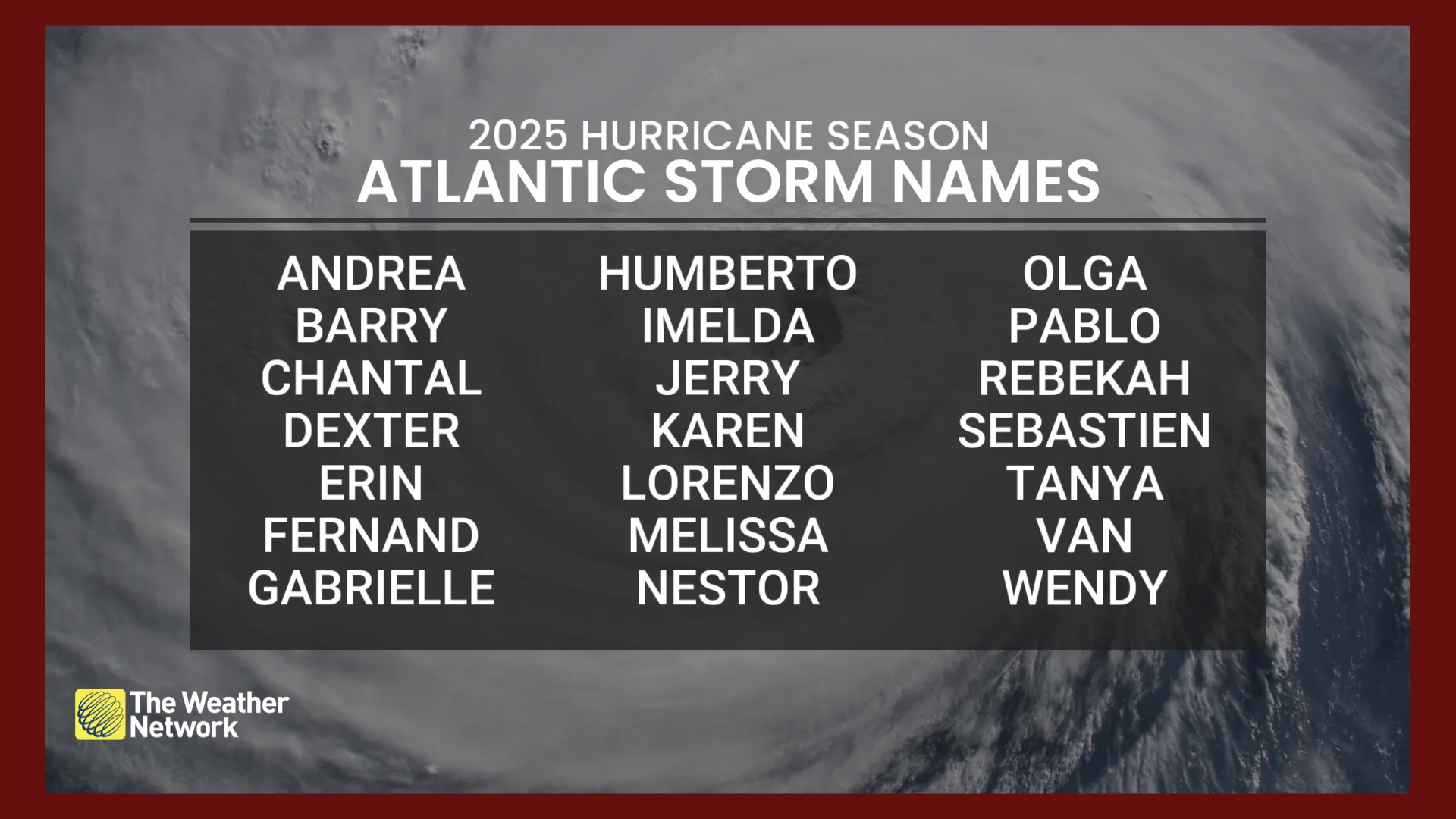
Ever found yourself scrolling through news headlines and seeing names like "Hurricane Florence" or "Typhoon Hinnamnor" and wondered, "Who comes up with these names?" Is it just a random pick from a hat, or is there a method to the meteorological madness? Well, get ready to dive into the fascinating world of hurricane naming, a system that’s not only surprisingly clever but also incredibly vital!
The naming of hurricanes and tropical storms might seem like a quirky tradition, but it serves a critical purpose. Imagine trying to track multiple powerful storms simultaneously without distinct names. Emergency broadcasts would be a confusing mess: "The tropical cyclone currently impacting the Gulf Coast, not to be confused with the other significant storm approaching the East Coast, or the one that just passed last week..." See? Chaos! This is why a simple, easily recognizable name is a game-changer.
Historically, early meteorologists and sailors sometimes named storms after saints' days, the places they hit, or even their wives (yes, seriously!). But this haphazard approach often led to confusion. The need for a standardized, clear system became increasingly apparent. The solution? Lists of names!
Must Read
Today, the naming process is highly organized and managed by the World Meteorological Organization (WMO). They maintain six rotating lists of names, one for each year. This means the list of names used in, say, 2024 will be dusted off and used again in 2030. Each list follows an alphabetical order, alternating between male and female names. So, if the first storm is Andrea, the second might be Barry, then Chantal, and so on. This system ensures fairness and helps with quick identification.

The benefits of this structured naming system are immense. Firstly, it provides clear and unambiguous communication. When you hear "Hurricane Lee," everyone knows exactly which storm is being discussed – from forecasters and emergency responders to the general public. This clarity is paramount for issuing timely warnings, coordinating evacuations, and mobilizing aid efforts.
Secondly, names make storms more memorable and easier to track. It's much simpler for the media to report on "Hurricane Dora" than "Tropical Storm Number Seven of the Season." This increased memorability helps keep the public engaged and aware of potential dangers, encouraging them to take necessary precautions. It also assists scientists in studying specific storms long after they dissipate, helping us better understand these powerful weather phenomena.
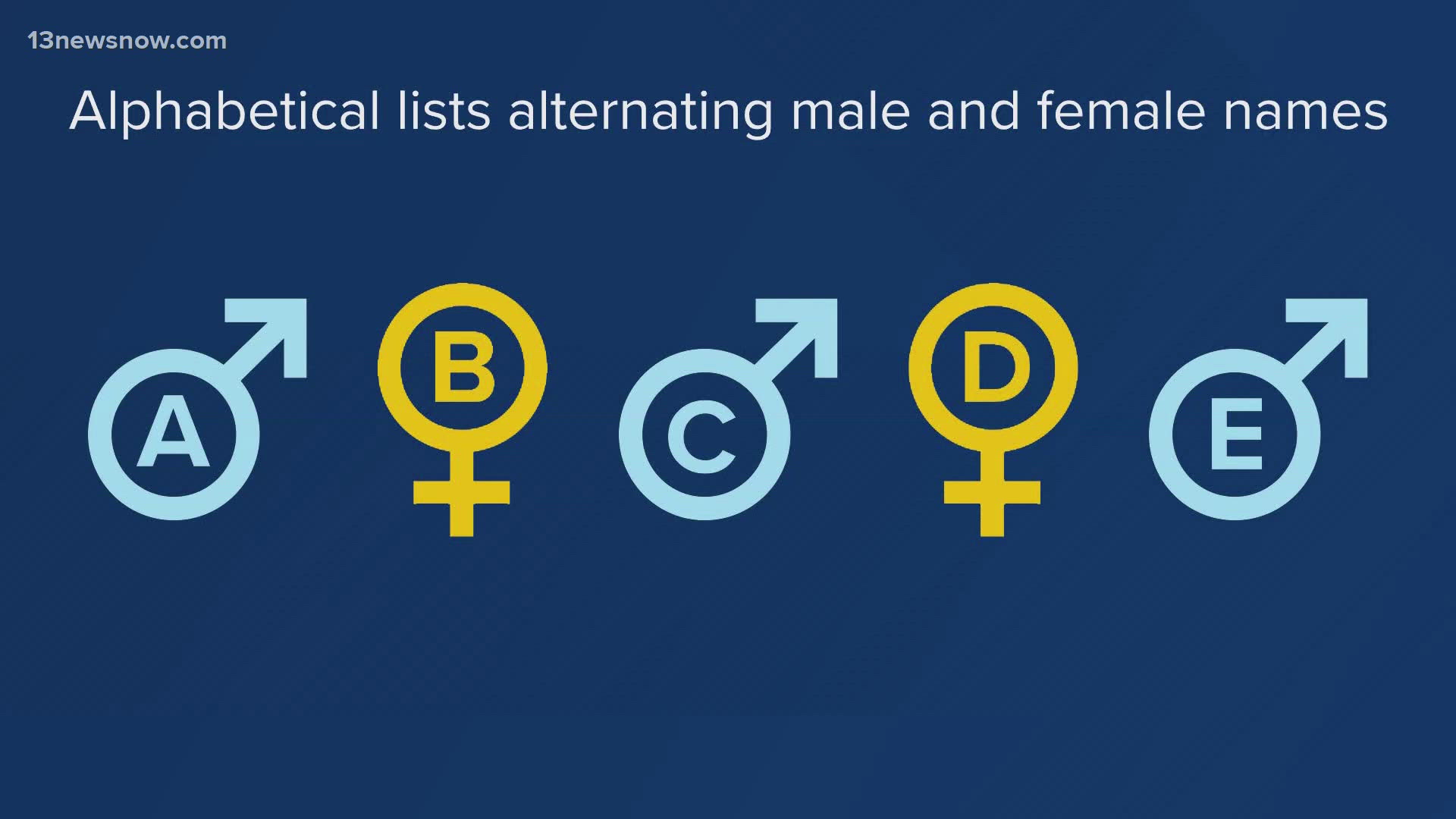
But what about those storms that are particularly devastating? Names like Katrina, Sandy, or Ian? These names are retired forever. If a storm causes an exceptionally high number of fatalities or extreme damage, its name is removed from the rotation out of respect for the victims and to avoid insensitivity. A WMO committee then meets to decide on a suitable replacement name, keeping the alphabetical order and gender alternation intact.
So, the next time you hear a hurricane name, you’ll know it’s not just a random label. It's part of a sophisticated, well-thought-out system designed to keep us informed, safe, and better prepared for whatever Mother Nature throws our way. Pretty clever, right?